


 Shkruar nga Pamfleti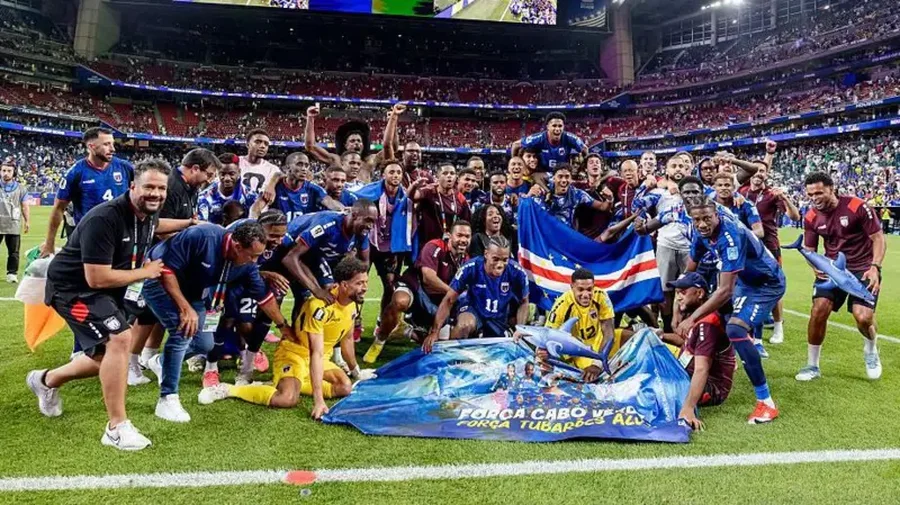
The expansion to 48 teams brought surprises and inspiring stories, but the group stage was criticized for the lack of strong competition and danger for the favorites.
The new 48-team World Cup format has produced some special stories and brought new national teams to the biggest stage of football. However, the debate over its effectiveness remains open.
The most notable story is that of Cape Verde, who managed to qualify for the knockout stage for the first time, beating Uruguay. This success is considered an argument in favor of FIFA president Gianni Infantino's decision to expand the tournament to 48 teams.
However, while the smaller teams created inspiring stories, the favorite national teams made it through the group stage without facing much pressure.
One of the reasons was that the four best third-place teams also qualified. Furthermore, FIFA used head-to-head matches for the first time as the main criterion for dividing teams with equal points, ahead of goal difference.
As a result, four teams secured first place in the group with one match left, while five national teams were eliminated just as early.
New stories on the world stage
Although stars like Lionel Messi, Kylian Mbappe, Erling Haaland, Cristiano Ronaldo and Harry Kane dominated the race for the "Golden Boot", a significant part of the tournament focused on the stories of lesser-known teams.
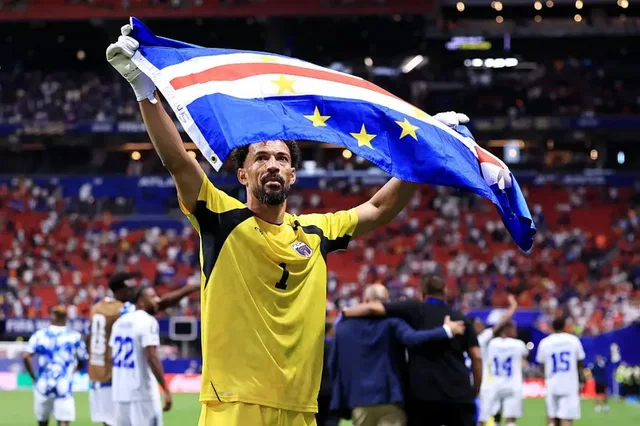
Cape Verde, an island nation in the Atlantic Ocean, surprised by a goalless draw against European champions Spain and then a 2-2 draw with Uruguay. A draw against Saudi Arabia in the final match secured second place in the group and a showdown with defending champions Argentina.
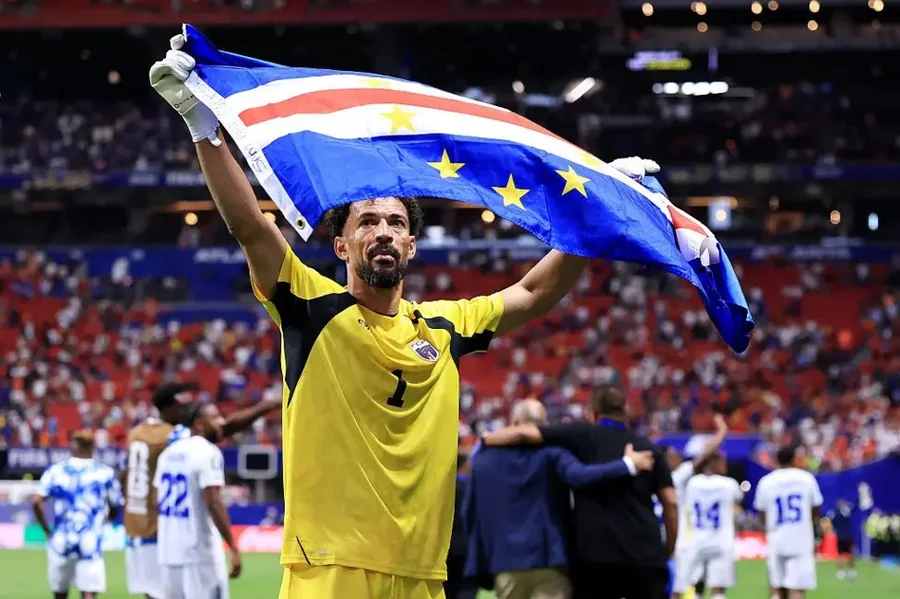
40-year-old goalkeeper Vozinha became a social media phenomenon. His Instagram following grew from around 50,000 before the match against Spain to over 16 million after the group stage.
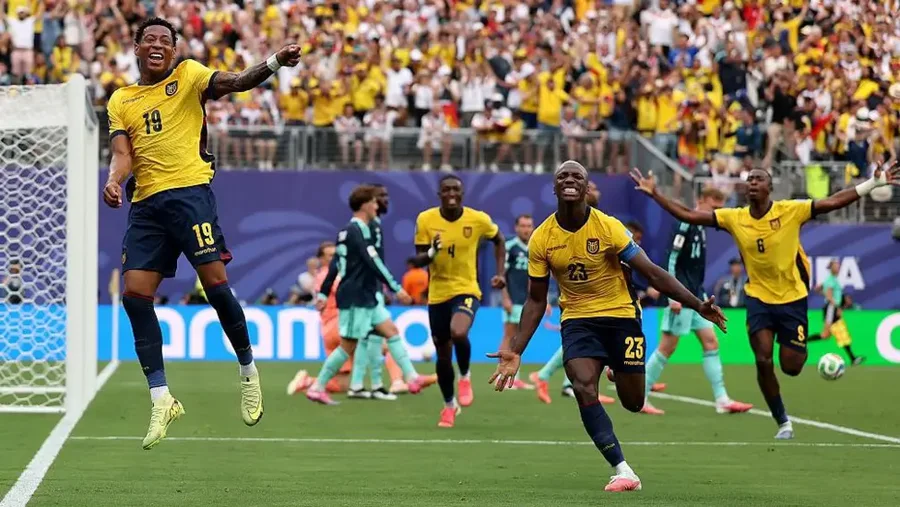
Curaçao, the smallest country to ever participate in the World Cup, also earned its first point in history against Ecuador, while the Democratic Republic of Congo secured qualification as one of the best third-place teams after a 1-1 draw with Portugal.
Also, Bosnia and Herzegovina, Canada, DR Congo, Egypt, Ivory Coast and South Africa reached the knockout stage for the first time.
However, the expansion of the tournament also highlighted the differences between the confederations.
Africa had an impressive showing, with nine of its ten teams advancing from the group stage. In contrast, Asia recorded just three wins from 27 matches, with only Australia and Japan securing qualification. The CONCACAF teams, excluding the three host nations, also had disappointing results.
Lack of rivalry
Despite the positive stories, criticism of the new format is numerous.
Of the 12 favorite teams in the tournament, only Canada and Portugal failed to win their groups. The expansion to 12 groups made it very difficult to create strong groups that could threaten the favorites.
Ghana coach Carlos Queiroz, whose team qualified in third place, called the new format "ordinary and worthless", arguing that the possibility of qualifying even from third place significantly reduces the importance of the matches.
FIFA's decision to use head-to-head matches as the main criterion also affected the pace of the competition. In the final group matches, nine teams no longer had a realistic target: four had secured first place, while five were eliminated.
Statistics show that the difference between the teams was greater than in previous editions. A total of 18 group stage matches ended in victories by three or more goals, compared to just five in the 2022 World Cup.
The average of 2.99 goals per match is the highest since the introduction of the 32-team format in 1998.
Another problem was the third-place qualification system. Teams like Scotland and South Korea, who finished with three points, were forced to wait several days to learn their fate, while teams playing later had the advantage of knowing exactly the result they needed to qualify.
In conclusion, the expansion of the World Cup has created new stories and expanded the global representation of football. However, criticism of the lack of rivalry in the group stage and the advantage given to favourite teams means that the debate over the new format remains open. /Adapted from BBC /




Lini një Përgjigje