


 Shkruar nga Pamfleti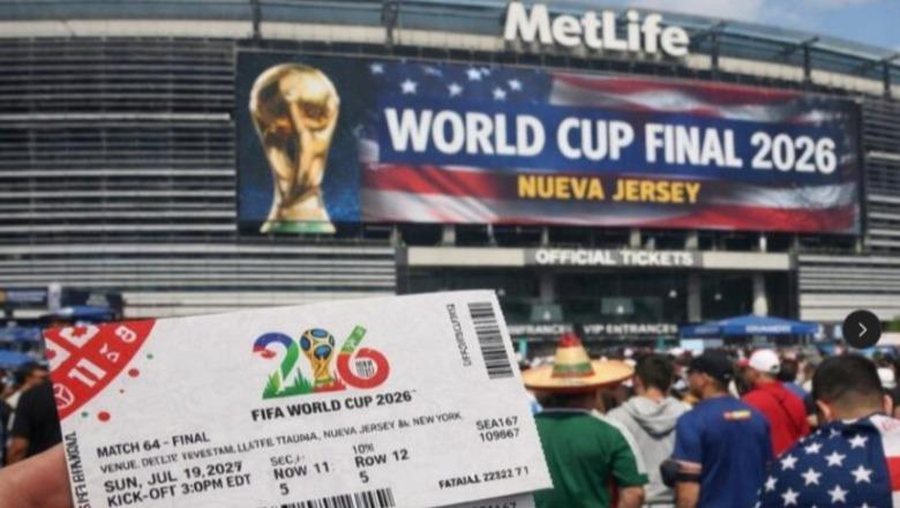
The 2026 World Cup, the biggest soccer tournament ever staged, is just around the corner. For the first time in history, the competition will be held in three host countries: the United States, Canada, and Mexico, starting on June 11.
This edition will also bring a new format, with 48 participating national teams and 104 matches, making it the most expanded World Cup ever.
However, despite the high sporting expectations and record profits, the tournament is also being accompanied by numerous controversies. Fans have expressed dissatisfaction with the high costs of participation, including ticket prices, travel expenses and accommodation in the host countries.
Among the main concerns are security issues, extreme weather conditions, geopolitical tensions and the influence that US President Donald Trump may have during the tournament.
An unprecedented situation is related to the fact that the host country, the United States, is in conflict with one of the participating national teams, Iran. According to reports, some members of the Iranian team have been denied American visas, while their base has been moved from Arizona to Mexico. In fact, an official has stated that the Iranian national team will only be allowed to enter American territory on the day of the match and will then return to Mexico.
Meanwhile, FIFA is expected to collect a record revenue of around $9 billion from this World Cup, with $2.7 billion to be distributed to member federations over the next four years. However, the way this revenue is generated has sparked criticism and debate.
One of the most controversial issues remains that of tickets. In 2018, it was announced that the most expensive ticket for the final would cost up to $1,550, but when they went on sale, the price reached $8,680. This situation has prompted authorities in New York and New Jersey to launch investigations into FIFA for what is described as “artificial price inflating” and “fan fraud” in the ticket sales process.
FIFA has also faced opposition from fan associations after initially banning water bottles from entering stadiums. The decision was later reversed following strong reactions and concerns about the high temperatures expected to accompany the matches.
Environmentally, experts warn that this could be the World Cup with the greatest negative impact on the climate. The expansion of the tournament and the increase in the number of trips are expected to significantly increase carbon emissions, with air transport accounting for the largest part of the competition's environmental footprint.
Another factor that can affect the course of matches is weather conditions. Lightning is considered a serious hazard in the United States, where regulations require matches to be suspended for 30 minutes if they occur within 13 kilometers of the stadium. If another lightning strike occurs during this period, the deadline starts over again, which can lead to significant delays, as was the case during the Club World Cup.








Lini një Përgjigje