


 Shkruar nga Pamfleti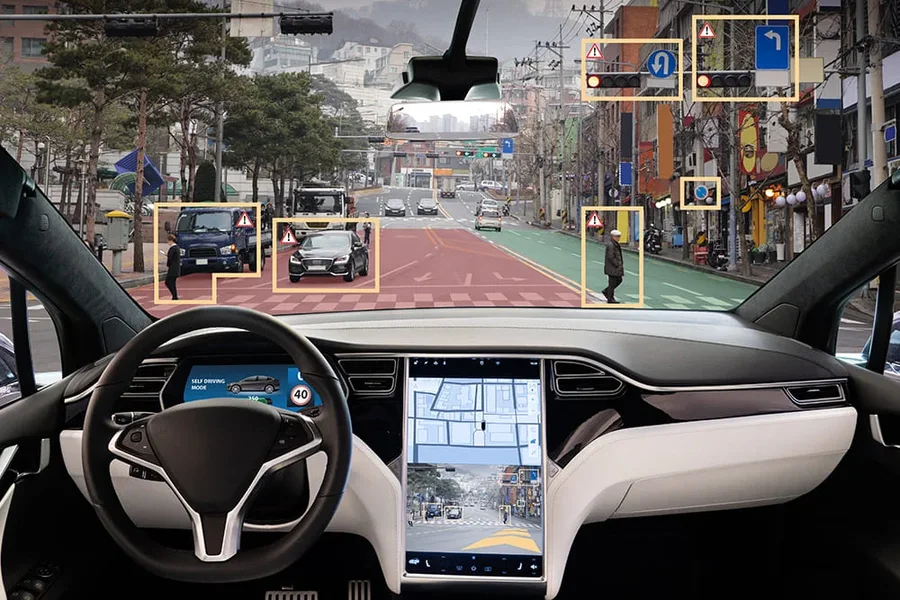
A group of researchers has proposed an unusual change to the traffic light system: adding a new color – white – with the aim of improving road traffic in the era of autonomous vehicles.
The proposal comes from a team of researchers at the University of North Carolina and is based on the so-called "white phase" concept, a new communication system between vehicles and road infrastructure through wireless technology.
Under the proposed model, the white light would not replace the existing signals (red, amber and green), but would function as a supplement. It would only be activated at times when there are a sufficient number of autonomous vehicles at an intersection, instructing drivers to follow the vehicle ahead and allowing for a more coordinated flow of traffic.
When traditional vehicle traffic dominates, the system automatically reverts to classic traffic light operation.
The researchers' simulations show encouraging results. According to them, even with just 10% autonomous vehicles on the road, congestion could be reduced by about 3%. If this percentage increases to 30%, traffic reductions could reach up to 11%, with even greater potential in technologically advanced environments.
However, the project faces significant challenges, especially in terms of the high cost of infrastructure and the need for sophisticated communication systems between vehicles and roads.
For this reason, researchers suggest that pilot tests be conducted first in controlled areas such as university campuses, ports or logistics centers, before any potential implementation in urban networks.








Lini një Përgjigje