


 Shkruar nga Pamfleti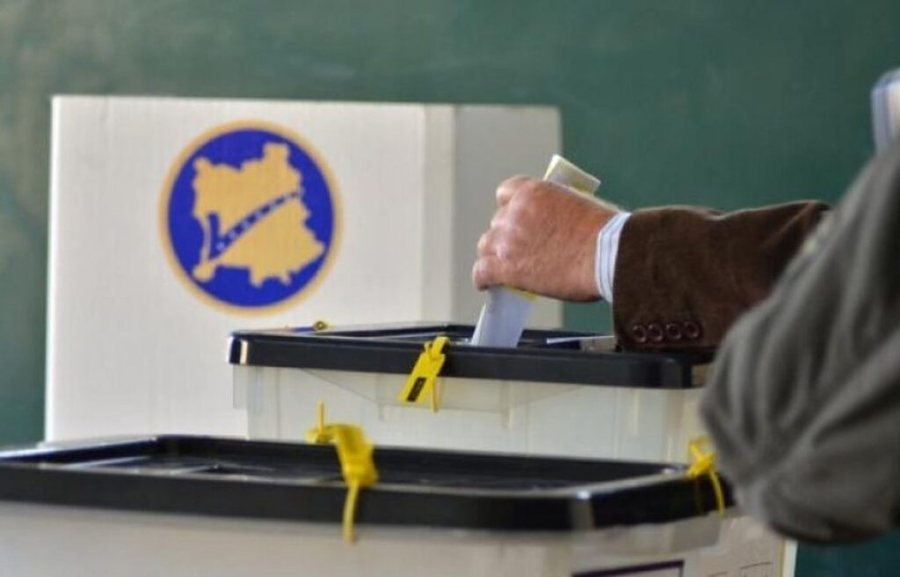
The total expenditure on electoral processes in this period amounts to approximately 31.3 million euros...
Whenever the political process in Kosovo reaches a deadlock, the solution seems to return to the ballot box. But this democratic solution has a high financial price, which is being repeated at a rapid pace. After the failure to elect a president and the automatic dissolution of the Assembly, the country is expected to organize parliamentary elections again, at an estimated cost of around 8 million euros.
Within just 16 months, the state budget has been faced with several consecutive electoral processes. The parliamentary elections of February 9, 2025 cost around 7.1 million euros, while those of December 28, around 7.4 million euros. To this amount is added another 8.8 million euros for the two rounds of local elections held in October last year, turning the electoral process into a recurring expenditure of millions of euros.
If we add to these figures the expected cost of around 8 million euros for the new elections, the total expenditure for the electoral processes in this period amounts to around 31.3 million euros. This amount represents a considerable burden on the state budget, directly reflecting on public finances and the use of citizens' taxes.
According to data from the Central Election Commission, in both cases the actual expenditure has been lower than the initial plans. For the February 9 elections, a budget of 8.7 million euros was planned, while the final expenditure amounted to 7.1 million euros. Meanwhile, for the December 28 elections, an amount of 11.5 million euros was planned, but according to preliminary reports, around 7.4 million euros were spent.
However, although these figures show that the expenditure has been more controlled than planned, the total amount of funds spent on repeated processes remains high. Each new election cycle requires a large financial and institutional commitment, limiting the space for investment in other sectors.
Elections are a constitutional obligation and the foundation of democratic functioning, but their frequency in Kosovo is also shifting the debate to the economic level. The facts clearly show the financial cost.
In this situation, several issues remain open that require more in-depth treatment, such as ways to reduce the costs of electoral processes, transparency on the structure of expenditures and opportunities to avoid the frequent repetition of elections. Finally, while the vote remains the main instrument of democracy, its frequent use is becoming a significant burden on the state budget.


Lini një Përgjigje