


 Shkruar nga Gianluca Eramo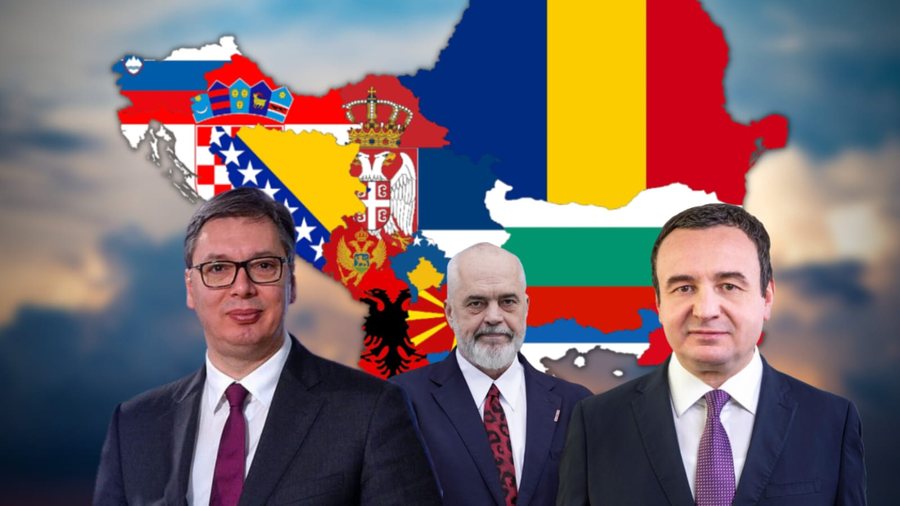
The Western Balkans is currently the main gray area in the heart of the European continent...
" I am the president of a numerically small country. I am not Trump. I am not Putin. " When, on the evening of March 13, 2026, Aleksandar Vučić uttered this phrase on television, he was not mocking himself; he was creating a familiar narrative: Serbia, a vulnerable nation, surrounded by hostile powers, is forced to defend itself from an increasingly hostile and dangerous environment. Albania, Croatia, and Kosovo, according to this narrative, are preparing a military alliance against Belgrade, waiting for the right moment. It is a simple and ancient story, already told in the Kremlin, in Budapest, in the Tehran of the mullahs: " We are the victims, our neighbors are the aggressors, and the rest of the world is ugly and evil. "
While it talks of encirclement, Belgrade is pursuing the most ambitious rearmament program in the Balkans since the end of the Yugoslav wars. In his Serbia 2030 plan, Vučić promises an armed force “among the strongest in Europe” and calls for defense and security spending of about 2.5% of GDP. Serbia is now the region’s leading importer of major weapons systems, with supplies from Russia, China and Belarus, but also from France and Israel. It is not a global power, but on regional military maps it is the dominant player.
Vučić’s accusations against Albania, Croatia and Kosovo have been categorically denied by both Balkan capitals and NATO. Tirana has chosen to soften the alliance’s narrative to attack Serbia: the new Foreign Minister, Ferit Hoxha, has publicly called these words propaganda for internal consumption only. However, the narrative of a besieged country remains politically valid. It legitimizes rearmament as self-defense and hides selective neutrality: practical cooperation with NATO, but not formal membership; negotiations with Brussels, but consolidated political, energy and media ties with Moscow. It is the policy of the saboteur: close enough to the West to benefit from it, vague enough to block its expansion and keep the channels open with Russia.
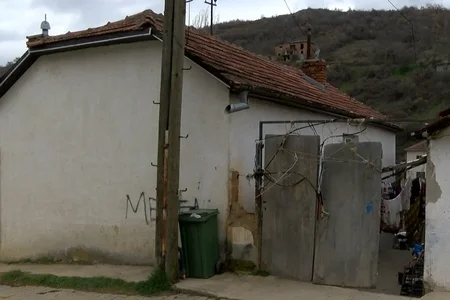
And just as this rebalancing is taking shape, a valley in southern Serbia is becoming the silent laboratory of a crisis that also affects European security: the Presevo Valley, a strip of territory between Kosovo and North Macedonia, with an Albanian majority and under Serbian sovereignty since 1913. After the Kosovo war, it ended up in a repository of frozen conflicts: quiet enough to disappear from the radar, too unresolved to truly be closed. Here, the conflict is resurfacing again in a new form: administrative.
The main tool is called “address passivation”: if the authorities assess that a citizen no longer lives permanently at his registered address, they can delete him from the registers. In the Presevo Valley, this procedure has been applied massively to the Albanian population, with thousands of addresses deactivated in municipalities such as Medveđa and Bujanovac. Those who lose their place of residence enter a grey area: they can no longer renew identity documents, register vehicles or property, have difficulty accessing healthcare and welfare, and are excluded from the electoral rolls. Belgrade calls this simple implementation of the law, but the issue has been included in reports by the European Commission, the US State Department, and even the US Congress.
It is not an expulsion; it is an administrative erosion of statehood. A bureaucratic ethnic cleansing that does not produce columns of refugees, but that over time changes the demographic balance of a border area that directly affects the stability of Kosovo and, consequently, of the European Union.
This idea of administrative conflict is not a Balkan anomaly. We have already seen it, taken to the extreme, in Bashar al-Assad’s Syria. After 2011, the regime used a complex architecture of laws and decrees on property, urban planning, and counterterrorism to target political opponents. Emblematic of this bureaucratic path to dictatorship was the infamous Law No. 10 of 2018, which allowed the government to declare reconstruction zones anywhere in the country and gave owners a very limited time to demonstrate their rights, otherwise their properties would be auctioned off. In war-torn areas, where many were refugees or displaced, this combination of demolitions, taxes, impossible deadlines, and public auctions allowed Assad and his allies, including investors linked to the Iranian Pasdaran, to occupy entire neighborhoods, such as the ancient citadel of Homs, that had previously been opposition strongholds. The contexts are different, but the logic is the same: use laws and procedures to decide who is still recognized as a full citizen and who is, in effect, excluded from the community.
Për Evropën, ky lloj inxhinierie administrative duhet të jetë një zile alarmi e dyfishtë. Nga njëra anë, na kujton sa i brishtë është kufiri midis sundimit të ligjit dhe abuzimit me ligjin: i njëjti grup mjetesh, regjistri i tokës, kodet e planifikimit urban, rregulloret e banimit, mund të shërbejnë për të mbrojtur qytetarët ose për t'i zgjedhur ata bazuar në pasuri, origjinë dhe besnikëri politike. Nga ana tjetër, tregon se konfliktet nuk janë kurrë vërtet të ngrira: nëse nuk gjejnë një zgjidhje të negociuar, ato ngecin në boshllëqe procedurale dhe rishfaqen kur është tepër vonë për menaxhimin e zakonshëm.
Ekziston gjithashtu rreziku i një imitimi të heshtur. Nëse "pasivizimi" në Luginën e Preshevës mbetet pa pasoja politike, qeveritë e tjera në rajon, aleatë sot, ndoshta më pak nesër, mund të ndihen të fuqizuara për të eksperimentuar me mjete të ngjashme kundër komuniteteve problematike: pakicave kombëtare, opozitës lokale dhe grupeve shoqërore të perceptuara si të pabesueshme. Unioni, i cili kërkon reforma të sundimit të ligjit nga vendet kandidate, nuk mund të lejojë të injorojë një precedent të tillë në fqinjësinë e tij të afërt, pa dëmtuar edhe besueshmërinë e vet.
Ballkani Perëndimor është aktualisht zona kryesore gri në zemër të kontinentit evropian, duke nxitur cenueshmërinë dhe pasigurinë. Brukseli deri më tani është përgjigjur pothuajse ekskluzivisht me mjete dhe masa teknike të hartuara për të çaktivizuar krizën e ardhshme, por këto nuk e ndryshojnë logjikën themelore: duke vazhduar ta trajtojë rajonin si një ushtrim administrativ, jo një qendër strategjike për sigurinë evropiane. Nëse Evropa vazhdon ta trajtojë Ballkanin si një zonë tampon për të shkarkuar krizat e veta, nga qendrat italiane të riatdhesimit në Shëngjin dhe Gjadër, deri te menaxhimi i korridorit vertikal të gazit të Azerbajxhanit dhe ndarja e inteligjencës së NATO-s kundër kërcënimeve ruse në Adriatik, pa u dhënë atyre një vend nga frika e ndryshimit të ekuilibrit politik në Parlamentin Evropian ose Këshillin Evropian, zgjerimi do të mbetet thjesht një ushtrim teknik dhe vrima e zezë do të mbetet një plagë në zemër të Evropës. Lugina e Preshevës tregon se çfarë ndodh kur kjo boshllëk përkeqësohet nga një shtet që përdor mjete administrative kundër një pakice: konflikti nuk zhduket; ai ndryshon formë dhe transformohet në diçka më të fshehtë dhe delikate.
True stabilization of the Western Balkans means reducing the gray area, not managing it indefinitely. The region cannot remain in a European waiting room while external powers, historical rivalries and opportunistic leaders fill the void. A political choice is needed: accelerating the Euro-Atlantic path for the countries that have clearly chosen it, Albania and Kosovo above all, and linking every step taken by Belgrade to full respect for human rights in sensitive areas like the Presevo Valley. This is not a symbolic concession to the Albanian minority; it is a European security measure and the most concrete proof of the Union’s ability to transform its bureaucracy into politics./ Adapted from “Pamphlet” by “Linkiesta”


Na ka bllokuar Greqia dhe Rumania. Nuk hyjme ne BE.