


 Shkruar nga Pamfleti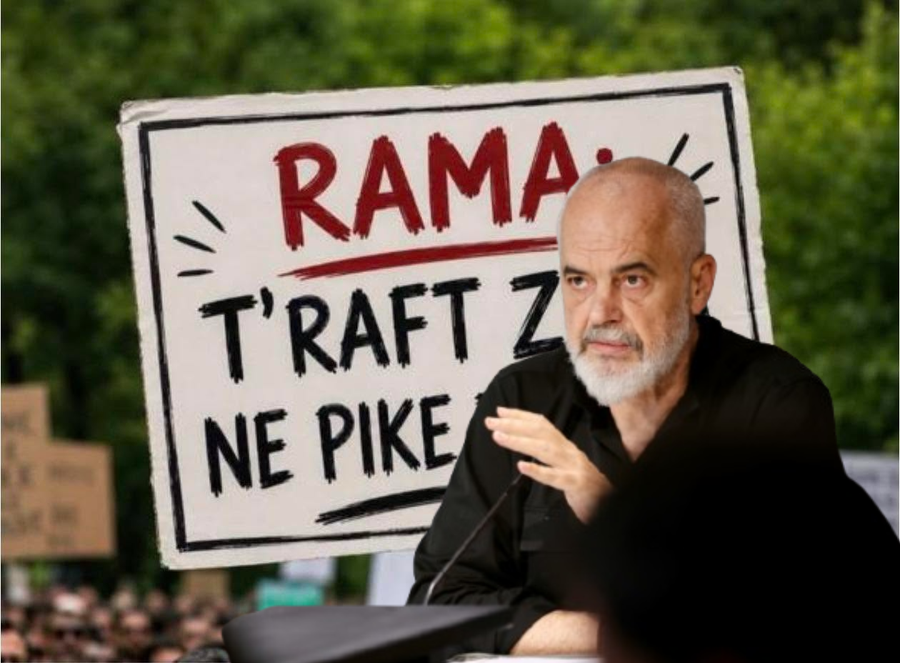
Prime Minister Edi Rama is also facing criticism from the international radical left. The Trotskyist portal World Socialist Web Site devotes a lengthy analysis of the protests in Albania, describing them as the largest movement since the early 1990s and accusing the government of favoring the interests of large investors at the expense of public assets and the environment…
Since the end of May, Albania has been engulfed by the largest protest movement since the fall of the Stalinist regime in the early 1990s.
What began as local resistance by residents and environmentalists on the southern Adriatic coast, within weeks turned into massive nationwide protests against the right-wing government of Prime Minister Edi Rama, widespread corruption, and the sale of the country to wealthy local and foreign investors.
On June 20, according to Albanian media estimates, more than 250,000 people took to the streets of Tirana. Mass protests took place again on June 27.
The immediate cause of the protests is a tourism project worth around 1.4 billion euros on the uninhabited island of Sazan and along the coast near Zvërnec, adjacent to the Narta Lagoon.
The plan calls for the construction of hotels, villas, apartments and a marina. The main investor is American businessman Jared Kushner, son-in-law of President Donald Trump. According to reports, Kushner and Trump's daughter, Ivanka, discovered the island during a boat trip and decided to buy it.
The Narta Lagoon is one of the most biodiverse and least disturbed coastal ecosystems in the Mediterranean. It serves as a resting place for around 200 species of birds, including flamingos, which have become a symbol of the movement.
The government granted the project the status of a “strategic investment,” approving the development in a protected natural area. The first protests began in the village of Zvërnec on May 23, after the coast was cordoned off. When private security guards attacked protesters on May 30 and the police present did not intervene, the local dispute turned into a nationwide movement. The next day, the protests reached Tirana, where demonstrations have since been concentrated in Skanderbeg Square and in front of the prime minister’s office. Other rallies have also taken place in Kosovo and other European cities.
The protests are directed both against ruthless American investors and against the Albanian political class, which is deeply corrupt and often acts openly outside the law. Officially, the protests are not supported by any party. Smaller parties, such as the Joint Movement, a mix of pseudo-leftist and pro-European Union forces, are trying to capitalize on the widespread hostility towards the establishment parties.
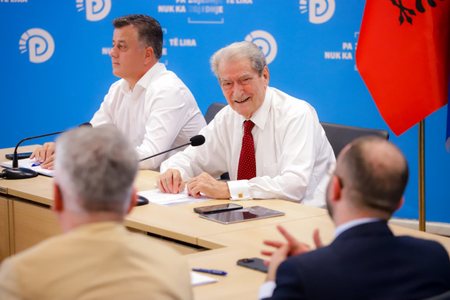
Partitë e çdo krahu politik, gjatë dekadave, e kanë përkeqësuar vazhdimisht gjendjen sociale, duke krijuar një mosbesim të thellë ndaj establishmentit politik. Partitë opozitare nuk kanë arritur të përfitojnë nga protestat kundër Ramës. Ish-kryeministri Sali Berisha fillimisht e mbështeti projektin e resortit dhe foli kundër tij vetëm pasi protestat u zgjeruan. Si rezultat, ai shihet gjerësisht dhe me të drejtë si bashkëpunëtor i Ramës.
Të rinjtë, në veçanti, po luajnë një rol të rëndësishëm në protesta. Ashtu si në të ashtuquajturat protesta të Gjeneratës Z në shumë vende të tjera, brezi i ri përballet mbi të gjitha me një katastrofë sociale, politike dhe ekonomike.
Zemërimi për resortin luksoz të planifikuar për familjen oligarke të gangsterit në Shtëpinë e Bardhë është bërë shprehje e kontradiktave shumë më të thella shoqërore. Shqipëria mbetet një nga vendet më të varfra në Evropë. Më shumë se një e pesta e popullsisë konsiderohet zyrtarisht e varfër. Më 1 janar, qeveria e rriti pagën minimale mujore me 25 për qind, në ekuivalentin e 520 eurove, një shifër që vetëm sa tregon sa të ulëta ishin pagat më parë. Norma zyrtare e papunësisë ishte rreth 8 për qind në tremujorin e tretë të vitit 2025, por te të rinjtë ishte pothuajse dy herë më e lartë. Megjithatë, edhe këto shifra mezi pasqyrojnë realitetin shoqëror.
Si rezultat, emigrimi masiv, veçanërisht i punëtorëve të kualifikuar dhe të rinjve, vazhdon prej vitesh. Edhe qeveria dhe Komisioni Evropian e përshkruajnë tashmë këtë si një pengesë për rritjen ekonomike. Ndërsa të rinjtë largohen nga vendi, ekonomia po orientohet gjithnjë e më shumë drejt turizmit, i cili tashmë përbën më shumë se një të katërtën e prodhimit ekonomik. Në vitin 2025, Shqipëria priti rreth 15 milionë vizitorë të huaj dhe gjeneroi afërsisht 5 miliardë euro të ardhura nga turizmi. Ky model e shndërron bregdetin në një mall. Plazhet, gjiret dhe rezervatet natyrore u dorëzohen investitorëve, ndërsa popullsia përjashtohet nga fitimet dhe, si në Zvërnec, përjashtohet fjalë për fjalë edhe nga plazhet e veta.
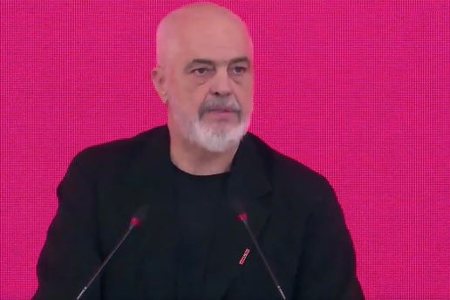
Partia Socialiste e Ramës, në pushtet që nga viti 2013 dhe e konfirmuar për një mandat të katërt radhazi në vitin 2025, e çon përpara këtë politikë në emër të investimeve të huaja direkte dhe integrimit në Bashkimin Evropian. Pas akuzave për "korrupsion" dhe "mungesë transparence" fshihet një sistem në të cilin pasuritë publike privatizohen dhe u dorëzohen oligarkëve vendas dhe investitorëve ndërkombëtarë.
Rama e mbrojti projektin si një investim jetik të huaj, minimizoi përmasat e protestave dhe i denoncoi pjesë të lëvizjes si pjesë të një "lufte hibride" të nxitur nga dezinformimi dhe interesat e huaja. Kundër 15 protestuesve u nisën procedime penale dhe tre persona u arrestuan.
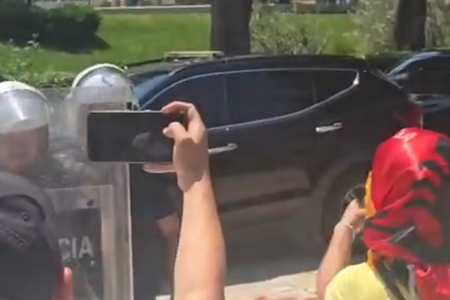
On June 3, police blocked roads leading into the capital to suppress further protests. Under the pretext of ensuring security for a football match, police used water cannons against peaceful protesters, including families with children. But the attempt to intimidate them failed. The next day, even more people came out to protest.
Rama is under intense pressure to implement market reforms and privatizations at a record pace so that Albania can achieve its goal of joining the European Union by 2030. The prime minister recently described himself as an “EU fanatic.” It is therefore not surprising that the European Commission supported the construction project, carelessly stating that the Albanian government had carried out an environmental impact assessment.
The "Flamingo Revolution" is not an isolated event, but part of a wider wave of protests that has swept the states of the former Yugoslavia and other parts of the Balkans.
In Serbia, the collapse of the newly renovated train station in Novi Sad in November 2024, which killed 16 people, sparked the largest protest movement in decades. Student-led demonstrations spanned hundreds of cities. On March 15, 2025, more than 300,000 people gathered in Belgrade alone. Criticism focused on President Aleksandar Vučić's clientelistic system, opaque megaprojects such as the Belgrade Waterfront, and raw materials deals with corporations such as Rio Tinto. On June 27, Vučić announced his resignation and called early elections in an attempt to avoid his downfall.
In North Macedonia, 59 people, mostly young people, lost their lives and nearly 200 were injured in March last year when an illegally operating nightclub in Kočani caught fire. The operating license had been obtained through bribery. Thousands of people protested in Skopje and Kočani under the slogan "Who is next?". In Bosnia and Herzegovina, thousands protested for several days in Sarajevo after a tram accident in which one person died. Anger then focused on dilapidated infrastructure, a lack of safety measures and the indifference of corrupt elites.
The protest movement in Albania expresses a legitimate and deeply rooted social anger. But any improvement in living conditions, which are becoming increasingly unaffordable, requires the political mobilization of broad sections of the population on the basis of an international socialist program. The protection of the environment, public assets and social rights requires the expropriation of capitalist oligarchs, the overthrow of their political lackeys and the unification of workers and youth in the Balkans, across Europe and internationally. / Adapted from " World Socialist Web Site "


Lini një Përgjigje