


 Shkruar nga Pamfleti
Mass protests in both countries are expressing growing dissatisfaction with the government, but also with strong leaders like Aleksandar Vučić in Serbia and Edi Rama in Albania...
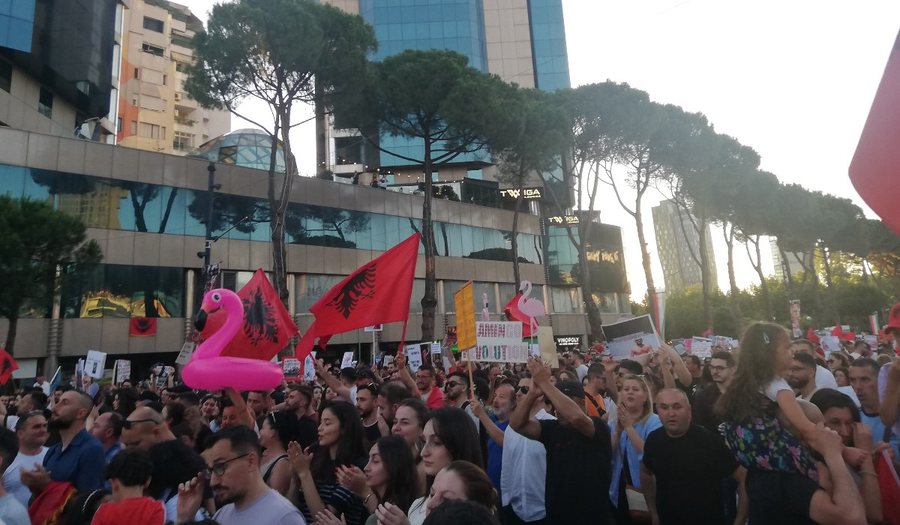
In recent weeks, Albania and Serbia have experienced massive protests that have shaken their governments. Over the past week, we have been faced with a wave of images from large protests in several cities, which some have dubbed the “Flamingo Revolution” in Albania.
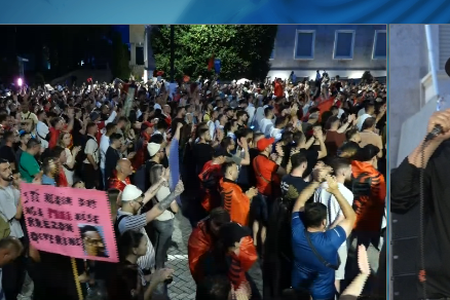
Two weeks ago, 200,000 people took to the streets of Belgrade demanding elections, reviving the wave of student-led protests that began after the accident at a railway station in 2024 that killed 16 people.
At first glance, these protests are driven by different issues, and Western media has made little effort to connect them. They are reported and commented on separately.
This is not surprising. The region is usually portrayed as a troubled periphery, defined by instability, corruption, and ancient hatreds between supposedly antagonistic peoples, such as Albanians and Serbs. What could possibly unite them?
But a closer look at the recent waves of protests in these two Balkan states reveals common grievances, born of the region's integration into an economic system dominated by the interests of multinational capital and the Great Powers.
After their state-led development projects failed in the 1980s, as in neighboring Soviet bloc countries, both countries experienced deep state disintegration or collapse during the 1990s, followed by Western military intervention.
Subsequent attempts at integration into the European Union brought significant deindustrialization through privatization, depopulation through emigration, and state capture by a plutocratic elite with no interest in democracy or the rule of law.
Rather than considering these developments as external consequences of neoliberal modernization, opposed by understandable foreign actors, the process itself is profoundly undemocratic and exploitative in nature.
How the protests were sparked
In both cases, mass protests have been fueled by anger at opaque political decision-making that hides large foreign investment projects. They have often focused on environmental concerns, as local elites have been left with little to gain beyond their countries' natural wealth.
Në Serbi, sfondi i valës më të fundit të protestave përfshin raunde të mëparshme kundërshtimi gjatë dekadës së fundit: fillimisht ndaj rizhvillimit të bregut lumor të Beogradit me petrodollarë nga vendet e Gjirit, më pas ndaj minierës së propozuar të litiumit në luginën pjellore dhe të pasur me ujë të Jadarit nga kompania Rio Tinto për përfitimin e Bashkimit Evropian, dhe tani ndaj mënyrës se si qeveria menaxhoi katastrofën e rinovimit të stacionit të Novi Sadit nga një konsorcium kinez, e cila çoi në vdekjen e 16 personave pothuajse dy vjet më parë.
Serbia është bërë destinacioni kryesor i investimeve kineze në Ballkan dhe një nga nyjet kryesore të nismës “Një Brez, Një Rrugë” në Evropë. Investimet përfshijnë modernizimin e korridorit hekurudhor Beograd-Budapest dhe marrjen nën kontroll e zgjerimin e minierës së bakrit në Bor, projekt që ka shkaktuar polemika për ndikimin e tij mjedisor. Rinovimi i stacionit të Novi Sadit ishte pjesë e këtij programi më të gjerë të ndërtimit hekurudhor të mbështetur nga Kina.
Edhe në Shqipëri, ndryshimet në ligjin për Zonat e Mbrojtura në vitin 2024 hapën rrugët për ndërtime në ato që konsiderohen zona të mbrojtura natyrore.
As rasti serb nuk është krejtësisht i shkëputur. Jared Kushner ka ndjekur gjithashtu projekte të debatueshme zhvillimi në Beograd, veçanërisht në vendin ku ndodhej ish-selia e Shtabit të Përgjithshëm të Ushtrisë, e bombarduar nga NATO gjatë Luftës së Kosovës në vitin 1999.
Ashtu si në Serbi, mosmarrëveshja në Shqipëri shpejt u shndërrua në diçka më të madhe sesa një projekt i vetëm, duke tërhequr vëmendjen ndaj shqetësimeve më të gjera për mënyrën se si merren vendimet për investimet e mëdha dhe interesat që ato u shërbejnë.
Protestuesit po refuzojnë si Partinë Socialiste në pushtet, ashtu edhe opozitën kryesore, të cilat shumëkush i sheh si pjesë të të njëjtit sistem klientelist dhe marrëveshjesh. Në mënyrë të ngjashme, studentët serbë do të paraqesin listën e tyre zgjedhore, të pavarur nga opozita tradicionale.
Rezistenca
Këto raste tregojnë një model të përbashkët, ku konfliktet mbi tokën dhe burimet natyrore shndërrohen në shprehje të një beteje më të thellë mbi natyrën e qeverisjes neoliberale dhe rolin e Ballkanit në ekonominë globale.
Pavarësisht nëse investitori është një korporatë shumëkombëshe minerare që i shërben tranzicionit “të gjelbër” të Bashkimit Evropian, një sipërmarrje amerikane në sektorin e pasurive të paluajtshme, një projekt kinez i lidhur me nismën “Një Brez, Një Rrugë” apo kapital nga vendet e Gjirit që kërkon hyrje në tregun e BE-së, qeveritë kanë shtypur kundërshtimin lokal duke e paraqitur atë si prapambetje dhe si pengesë ndaj modernizimit.
Megjithatë, qytetarët në të dy vendet po shprehin pakënaqësi ndaj një modeli zhvillimi që e trajton tokën e tyre, burimet natyrore dhe hapësirën publike, pa përmendur jetesën e tyre, kryesisht si pasuri për t’u shfrytëzuar për fitim privat.
Growing dissatisfaction with strongmen like Aleksandar Vučić in Serbia and Edi Rama in Albania, perceived as undemocratic. Equally evident is the disillusionment with the traditional opposition. Mass protests are seeking to open a new path.
The repetition of slogans that emphasize that the country is not for sale underscores the potential of protest movements in both countries to develop a political program that challenges the priorities of domestic elites, in collaboration with global capital, and at the same time revives the spirit of the old socialist slogan: “The Balkans for the peoples of the Balkans.” /Adapted from Pamphlet by Counterfire /







Lini një Përgjigje