


 Shkruar nga Ilir Çumani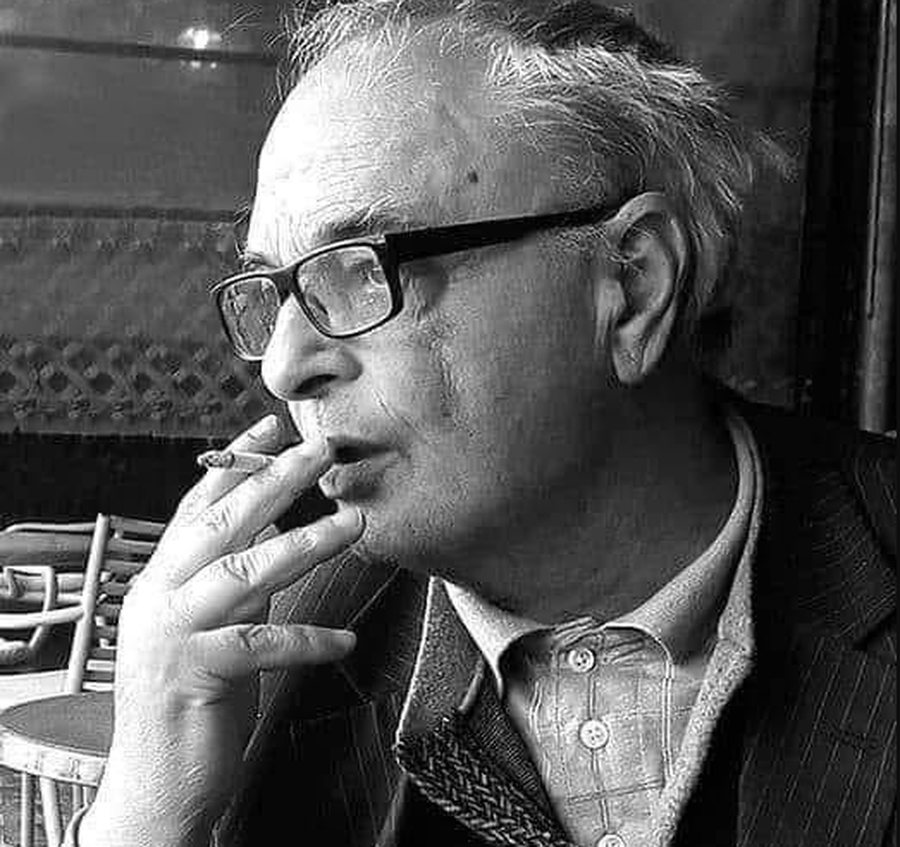
-A meditation on the poet who transformed silence into spiritual music-
(At a time when poetry is often stifled by banality or the subversion of values, Bardhyl Londo's work remains a pure oasis where the reader finds himself, the word, and the feeling. He is among those poets who have turned the word into an act of salvation and poetry into a way of being).
Bardhyl Londo, undoubtedly, remains today one of the most representative names of Albanian literature of the second half of the 20th century and beyond. He is a poet who has known how to take root in the literary memory of the Albanian reader not with noise, but with finesse; not with pomp, but with creative depth and humility. Born in the southern city of Përmet in 1948, Londo belongs to the generation of poets who affirmed themselves during the 1970s, a complicated period in the political and cultural life of the country, but which nevertheless gave birth to a new generation of powerful voices in poetry.
His poetry does not follow the usual clichés or noisy forms of expression; on the contrary, it flows quietly, deeply and delicately conveys a rich human experience, often silent, but always sensitive. With an elaborate language, with selected symbols and with a beautiful combination of the real and the imaginary, Londo managed to create a unique poetic world, where man, love, time and memory stand at the center of the literary universe. He never stopped creating, proving a rare loyalty to his mission as a poet, and remaining a point of reference for every serious reader and scholar of Albanian poetry.
From his first volumes, such as “Emrin e ka dashuri” (1975) or “Në udjet e fatit” (1978), Londo displayed a special poetic sensitivity and an introspective approach to human experience, moving away from the political rhetoric of the time and immersing himself in an intimate world, where emotion, memory, loss and love took the main place. His poetry is lyrical in content and modern in form – a poetry that speaks in low tones, but that touches deeply. He never expresses the feeling directly, but lets it explode through metaphors, through delicate images, through a language that sometimes sways like a lullaby and sometimes disturbs you like a painful memory.
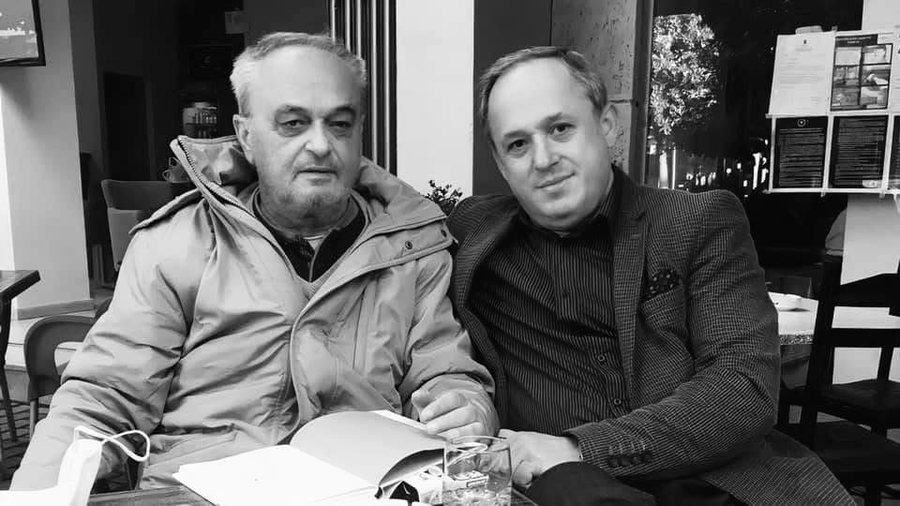
With an uninterrupted creative activity, he has published a series of poetic volumes that have become part of the most precious fund of our national literature. In addition to poetry, Bardhyl Londo has also contributed to the field of translation and literary criticism, and has held important cultural duties, among which the leadership of the League of Writers and Artists of Albania stands out in different periods.
Bardhyl Londo është poet i reflektimit, një vëzhgues i heshtur i shpirtit njerëzor. Në shumë nga poezitë e tij, dashuria shfaqet si ndjesi që sfidon kohën, një përjetim që nuk vdes, pavarësisht largësisë apo humbjes. Në vargjet: “Vetëm njëra do të qajë me zë”, ku heshtja merr formën e zërit dhe e pamundura bëhet përjetim, ai arrin të përkufizojë atë që shumë e ndiejnë, por pak mund ta thonë. Kjo aftësi për të thënë gjëra të mëdha me fjalë të thjeshta e të përmbajtura është pikërisht ajo që e bëjnë këtë poet një nga mjeshtrit e vërtetë të poezisë shqipe.
Më poshtë, po sjell një analizë të njërës prej poezive mbresëlënëse të titulluar “Vetëm njëra do të qajë me zë”. Janë vargje mjaft të ndjera për dashurinë që mbetet, për kujtimet që nuk vdesin dhe për heshtjen që shpesh flet më shumë se zërat.
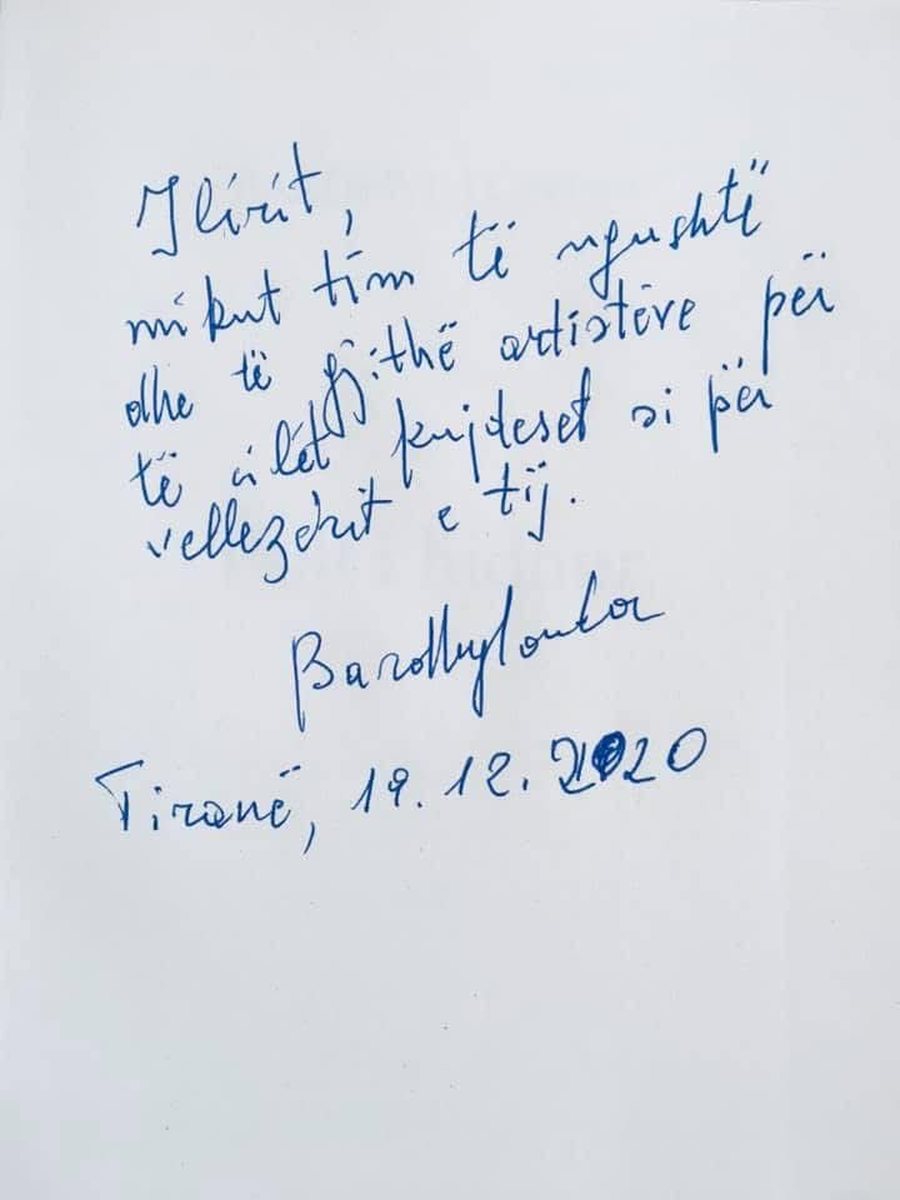
Në një kohë kur marrëdhëniet ndërnjerëzore po bëhen gjithnjë e më sipërfaqësore, kur ndjenjat konsumohen shpejt dhe kujtimet zëvendësohen me përjetime të përkohshme, një poezi e vogël mund të bëhet urë lidhëse me një të vërtetë të madhe: dashuria që jeton thellë në kujtesë është më e fuqishme se çdo pasion i zhurmshëm.
Kjo poezi intime, e përshkruar me gjuhë të thjeshtë lirike dhe figura të pasura simbolike, flet për një njeri që kthehet pas në jetë, i vetëdijshëm për fundin që i afrohet, dhe që përmes kujtesës rishikon ndjenjat që vërtet kishin rëndësi.
Dashuritë që ikin dhe ajo që mbetet
“E di që shumë vajza më deshën
ca provokuese, ca të heshtura pa zë,
po unë në jetën prej gjysmëmurgu prej tyre desha vetëm një.”
Kjo strofa hapëse përmbledh një jetë të tërë në tre vargje. Poeti pohon se ka qenë objekt dashurie për shumë gra – disa më të shprehura, disa më të mbyllura – por ai vetë e ka përjetuar jetën me përmbajtje, si një “gjysmëmurg”, dhe ka dashur sinqerisht vetëm një. Kjo zgjedhje stilistike flet për një dashuri të përmbajtur, por të thellë, që s’ka pasur nevojë për shumë fjalë.
Kur kujtimet bëhen shtrat
Nuk e di ku janë, s’e di çfarë bëjnë
çarçafi i bardhë herë herë s’i nxë.
Po unë nën çarçaf shtrihem me kujtimet
dhe e kuptoj që vend tjetër s’ka më.
Në këtë pjesë, çarçafi i bardhë nuk është thjesht një element fizik; ai bëhet simbol i shtratit të kujtimeve, por edhe i bardhësisë së një fundi të afërt – ndoshta qefini. Poeti i është dorëzuar jetës së brendshme dhe e ka gjetur ngushëllimin jo më tek njerëzit e gjallë, por tek kujtimet që janë të vetmet që nuk largohen. Ato bëhen strehë, dëshmi e ndjenjave që nuk u konsumuan, por u ruajtën si një lutje e brendshme.
Hapat e fundit dhe heshtja që flet
“Tani që hapat e vdekjes i ndjej si afrohen
të heshtura, të zeza një nga një.
Ndonjëra ndonjë lot do derdhë fshehtaz,
Por vetëm njëra do të qajë me zë.”
Në strofën e fundit, hapat e vdekjes personifikohen në mënyrë të heshtur dhe të zezë – një përshkrim delikat i fundit që po afron. Poetika këtu bëhet thellësisht njerëzore, por edhe universale: në fund, shumë do të trishtohen, por vetëm ajo që u dashurua vërtet, do të qajë me zë.
And this "one" is not just a woman among others - she is the symbol of rare love, of a feeling that is not forgotten.
A devotional about love and life
This poem is more than a personal narrative – it is an elegy for love lost but not forgotten, a meditation on the end, and a tribute to the memories that survive.
In the face of death, man is not alone – he carries with him everything he has truly felt. And at that moment, it doesn't matter how much love you have had around you, but the quality and depth of just one true love.
Because in life, many may love you, but only one will cry out loud.
I know that many girls wanted me...
(Bardhyl Londo)
I know that many girls loved me.
some provocative, some silent without a sound,
but I, in the life of a half-monk
I only wanted one of them.
I don't know where they are, I don't know what they're doing.
The white sheet sometimes doesn't get dirty.
But I lie under the sheets with memories
and I understand that there is no other place.
Now that I feel the footsteps of death approaching
silent, black one by one.
Someone will shed a tear secretly,
only one will cry out loud.






Lini një Përgjigje