


 Shkruar nga Arben Llangozi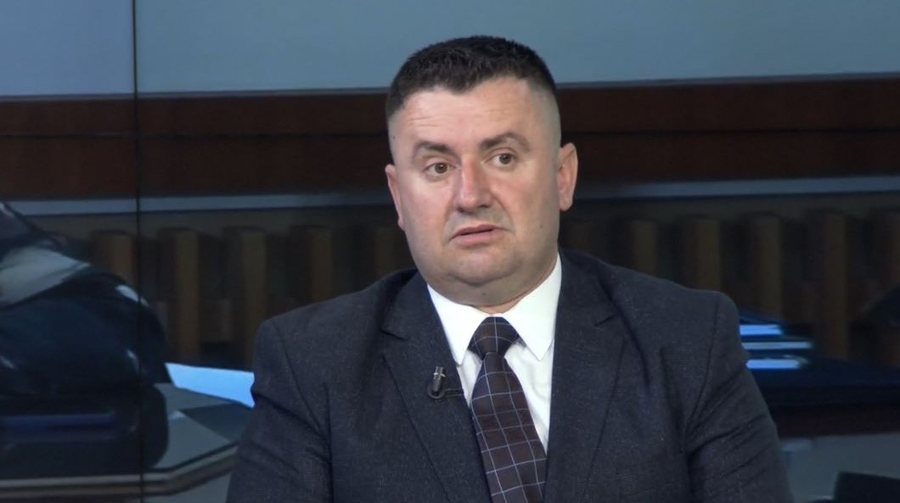
The justice reform, launched with enthusiasm and international support, has today turned into a failed experiment that has produced an institutional vacuum, endless delays in processes, and has placed the safety of judges and citizens in direct danger.
Today, in the courtroom, in the temple where the law should reign, Judge Astrit Kalaja was murdered with the judge's cape on his shoulder, and this bloody act is a reflection of a reform that has killed trust and the function of justice.
The serious incident where Judge Astrit Kalaja lost his life inside the courtroom after being killed by a party in the trial is a reflection of what has been warned for years: the Albanian justice system has become a ruined, perverted system captured by personal interests and power games.
The justice reform, launched with enthusiasm and international support, has today turned into a failed experiment that has produced an institutional vacuum, endless delays in processes, and has placed the safety of judges and citizens in direct danger.
A "vetting" sold as a salvation but which in fact caused a vacuum, delays and institutional paralysis; those responsible are those who were supposed to guarantee the cleansing of the system but instead killed it by holding appointments hostage and allowing vacancies to remain empty for KPA members.
One of the clearest examples of this system capture is the behavior of the members of the Special Appeals Chamber (SAC). These individuals, instead of fulfilling their constitutional role to complete the vetting process impartially and honestly, have sent an official letter to the High Judicial Council (HJC), through which they have requested that the vacant positions in the courts not be filled. The reason? They want these positions to be reserved for themselves, to be employed there after their mandate in the SAC ends, once they complete the vetting process for judges and prosecutors.
This is a scandalous request, which exposes the entire absurdity of justice reform. To deliberately block the system, to hold hostage vacancies in the Courts of Appeal, where processes are dragged out for years and where citizens await justice, just to secure your job, is a pure act of state capture and abuse of public power.
Meanwhile, the judges of the General Jurisdiction Appeal are working under extraordinary conditions. In many cases and for many years there were only 4-5 judges facing dozens of cases every day, working tirelessly to keep a system afloat that has been left to the mercy of fate.
Even now, we have more than half of the judges absent from the Court of Appeals. These judges do not have the luxury of sending letters to save their seats. They are on the front lines of an institutional war, doing their utmost to give citizens a shred of justice in a time of chaos.
So, let's be clear, the death of Judge Kalaja is a tragedy perpetrated by our own system and it is also a direct consequence of the deliberate obstruction of justice by individuals who have turned justice reform into a springboard for personal interests. This is what happens when justice is used as a career tool, and not as a service to the public.







Sh e vertete.