


 Shkruar nga Jeff Sommer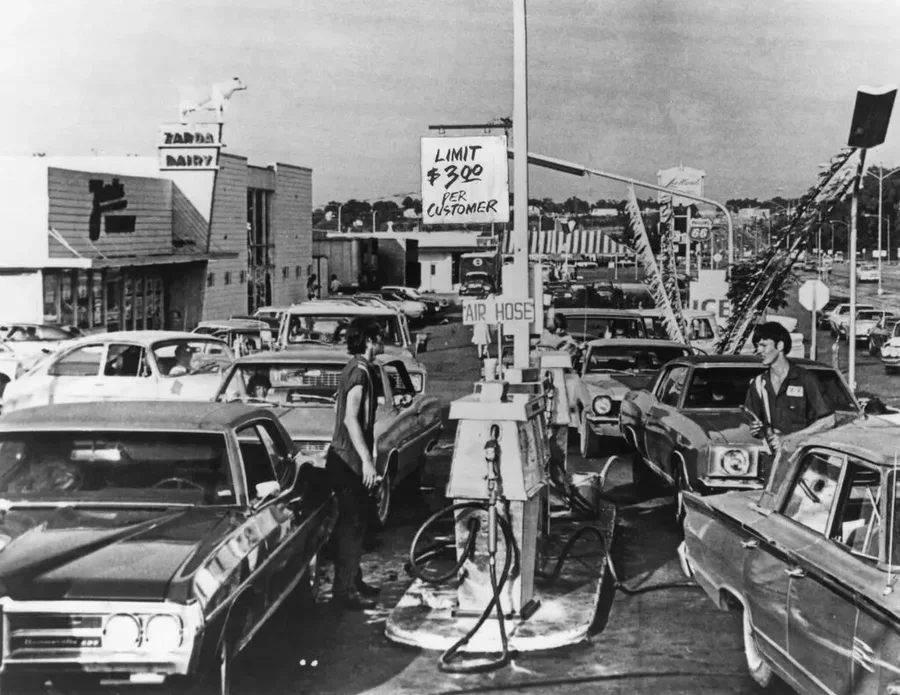
From gasoline lines to the transformation of global finance, history offers a warning about the current crisis
Gasoline lines and a quadrupling of oil prices shocked American consumers. But the oil crises also transformed global finance.
In January 1974, my father gave me his old, gas-guzzling Ford LTD to transport my clothes and books to college in Ithaca, New York. A few weeks later, when I tried to return home to Long Island, I realized that I couldn’t buy enough gas for the 250-mile trip.
The Arab oil embargo of 1973–1974 was at its peak. The price of oil had almost quadrupled; there were queues at gas stations and drivers were only allowed to fill up on alternate days. I had picked the wrong day to travel. There was no gas for me. So much for freedom of the road.
This was the world’s first major oil shock. When the second one hit in 1978–79, triggered by the Iranian revolution, I was a reporter in New Jersey, interviewing angry drivers stuck in long lines. Fuel shortages and high inflation became a part of life in the United States.
The rows ended when the crises subsided, but it took two recessions, instigated by Federal Reserve Chairman Paul Volcker, to bring inflation under control.
What is less understood about that period is that the oil shocks reshaped global financial markets. Money began to circulate in new ways around the world and solidified the dollar's status as the world's leading currency.
Today we may be experiencing the third major oil shock. Fatih Birol, executive director of the International Energy Agency, has said that the Gulf War has caused the largest oil supply disruption in history. It is creating gasoline shortages in Southeast Asia and driving up prices around the world. However, in the United States, which is already a net energy exporter, the impact has so far been more limited compared to the shocks of the 1970s.
The main question is whether this will be a short-term conflict or one that will change global economic structures. No one can give a definitive answer right now. But history helps to understand what might await us.
Hits of the 70s
Edward L. Morse, a former energy policy official in the Carter and Reagan administrations, remembers the 1973–1974 crisis as the greatest: a sudden event that jolted the US into a run on gasoline and high inflation, changing the world.
Ai thekson se kriza e viteve 1978–1979 ishte në thelb një vazhdim i së parës, duke zhvendosur më tej pushtetin dhe kapitalin nga kompanitë shumëkombëshe drejt shteteve prodhuese të naftës. Për shkak të lidhjes me Iranin, rënia e shahut, revolucioni dhe kriza e pengjeve, ajo mund të shihet si pararendëse e konfliktit aktual.
Dy goditjet e mëparshme përkeqësuan kushtet e tregtisë për konsumatorët amerikanë, të cilët paguanin çmime shumë më të larta. Megjithatë, në mënyrë paradoksale, ato e forcuan rolin e SHBA-së në qendër të financave globale. “Dollari u bë më i rëndësishëm se kurrë,” thotë Morse.
Gjatë kësaj periudhe, vendet e OPEC-ut fituan ndikim të madh, në kurriz të kompanive shumëkombëshe të naftës si Exxon, Chevron, Shell dhe BP, të cilat humbën kontrollin mbi çmimet globale.
Pas embargos, çmimet e energjisë mbetën të larta. Konsumatorët u përballën me vështirësi, ndërsa vendet prodhuese grumbulluan pasuri të mëdha. U krijua termi “petrodollarë”, për të përshkruar rezervat e mëdha në dollarë që këto vende zotëronin.
Një pjesë e madhe e këtyre fondeve u rikthye në SHBA dhe më pas u shpërnda globalisht përmes huave bankare, veçanërisht nga Citibank. Ndihmat e Fondit Monetar Ndërkombëtar për ekonomitë në zhvillim në vitet 1980 lidhen me këtë proces të globalizimit financiar.
Nafta dhe ari
Për të kuptuar këto zhvillime, duhet të kthehemi në vitin 1971, kur Presidenti Richard Nixon hoqi dollarin nga standardi i arit. Deri atëherë, dollari mbështetej në ar dhe mund të konvertohej në një kurs fiks prej 35 dollarësh për ons.
Ky ndryshim uli vlerën reale të të ardhurave nga nafta për vendet prodhuese. Studimet tregojnë se rritjet e çmimeve nga OPEC në vitet ’70 nuk rritën realisht çmimin e naftës, por vetëm kompensuan zhvlerësimin e dollarit.
Me rritjen e të ardhurave në dollarë, vendet prodhuese u shndërruan në aktorë kyç të sistemit financiar global, duke forcuar më tej rolin e dollarit.
Ekonomisti Eswar Prasad thekson se, pavarësisht sfidave, dollari është bërë edhe më dominant në vitet e fundit.
Loja e fuqisë
Eksperti i energjisë Daniel Yergin thekson se historia e energjisë është edhe histori e pushtetit financiar. Vendet e Gjirit eksportojnë jo vetëm naftë dhe gaz, por edhe kapital.
Fondet e tyre sovrane janë ndër investitorët më të mëdhenj globalë dhe luajnë rol të rëndësishëm në financat ndërkombëtare. Kjo e bën ekonominë globale më të ndërvarur.
Ndërprerja e rrjedhës së energjisë në Gjirin Persik do të ndikojë edhe në rrjedhën e kapitalit global, duke e bërë konfliktin shumë të rëndësishëm për investitorët.
Edhe pse SHBA po investon në energji fosile, një nga mësimet e mundshme të këtij konflikti është nevoja për diversifikim të burimeve energjetike dhe rritje të rezervave strategjike.
Sipas ekonomistit Ethan S. Harris, kohëzgjatja e konfliktit është vendimtare: nëse zgjat, pasojat do të jenë të mëdha; nëse përfundon shpejt, ndikimi mund të jetë i kufizuar.
Not every conflict in the Middle East changes global finance. Previous Gulf wars had varying impacts, but did not profoundly transform the system.
However, a continuing threat is the Strait of Hormuz, through which about a fifth of global oil and gas supplies pass. For the first time, Iran has shown it can block this strategic point.
Whether this will change global geopolitics in a lasting way remains to be seen.
Meanwhile, hope remains that the conflict will be short. /Adapted from the New York Times /








Lini një Përgjigje