


 Shkruar nga Gjergj Zefi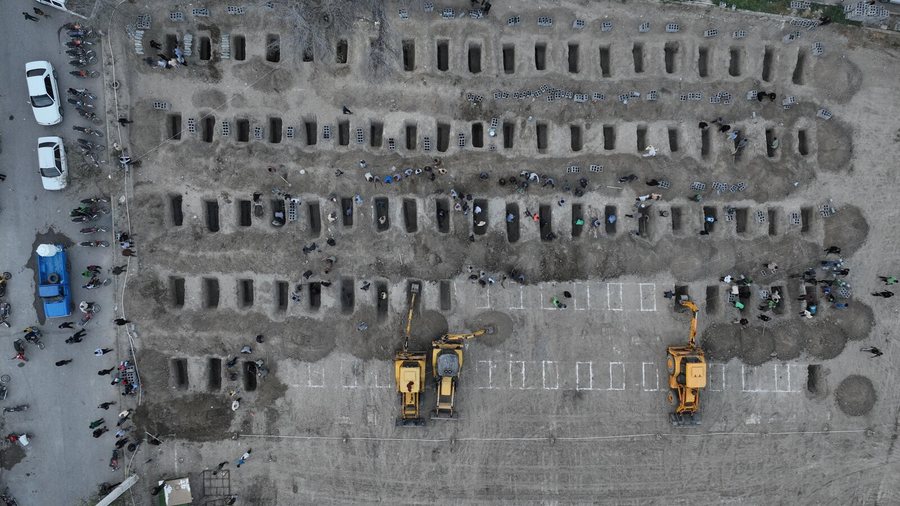
One hundred days after the start of the conflict, diplomacy tries to recover what weapons failed to resolve, while the world faces the consequences of a war that no one seems to control anymore...
One hundred days have passed since the Middle East entered a new spiral of conflict, with the promise that weapons would bring security, that missiles would create stability, and that bombing would pave the way for peace.
After one hundred days, the balance is completely different. Thousands of lives have been lost, dozens of cities have been damaged, economies have been shaken, and insecurity has spread beyond the borders of the region. What was presented as a necessary and limited operation has turned into a conflict that continues to produce unpredictable consequences for the entire world.
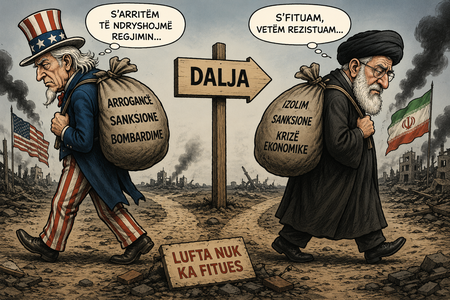
The history of the last century has repeatedly shown that wars begin with clear objectives and end with unanswered questions. Once again, neither side can claim to have achieved what it proclaimed in the early days of the conflict. Military power has proven capable of destroying, but not of building a political order. Technology has proven accurate in striking, but not in resolving crises. Diplomacy, which should have preceded weapons, is now struggling to repair the damage they have left behind.
The greatest paradox of these hundred days lies in the contrast between the battlefield and the negotiating table. After months of bombing, missile attacks, and mutual threats, the parties are back exactly where they could have been at the beginning: in search of an agreement. The war did not eliminate the disputes. It only made them more costly, more complicated, and more dangerous.
Meanwhile, the bill has not only been paid by the states directly involved. It has been paid by markets, economies, businesses and ordinary citizens around the world. The price of energy has risen, transport costs have increased and uncertainty has become a permanent factor in global economic decision-making. Modern wars are no longer confined to the front lines. They travel through stock markets, supply chains and the bills that reach every household.
This is why the last hundred days should be seen not just as a chronicle of a conflict, but as evidence of the limits of force. No missile has been able to replace diplomacy. No bombing has produced lasting stability. No show of force has guaranteed lasting peace. On the contrary, the more the conflict has expanded, the clearer the need for dialogue has become.
Today, after a hundred days of war, the world is not faced with the question of who won. The real question is how much humanity has lost. When the guns fall silent, military victories quickly pale in comparison to the number of victims, ruined cities, and missed opportunities for peace. Therein lies the lesson of these crazy hundred days: in an era when the powers possess extraordinary means to destroy, the wisdom to avoid destruction remains the most valuable weapon humanity has at its disposal./ Pamphlet



Lini një Përgjigje