


 Shkruar nga Diplomatico | Pamfleti.net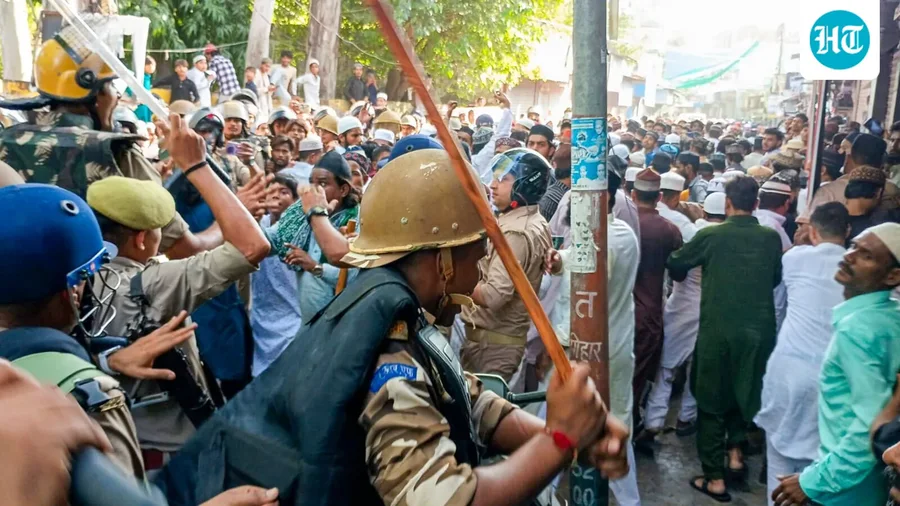
After Nepal, Indonesia and the Philippines, the Gen Z revolt erupts in India
A generation long considered to be lost in their phone screens, locked in the world of social media, and uninterested in politics, is now emerging as a dangerous actor for regimes in Asia. Now dubbed the “mysterious Generation Z,” this movement is beginning to produce real political upheaval.
Nepal, Indonesia and the Philippines have been the first scenes where disillusioned youth have challenged power, often in unexpected ways and organized online, transforming social discontent into a frenzy of protest. And now it is the turn of India, Asia's new superpower, where Ladakh, a fragile region on the border with China, has been engulfed in violent clashes between protesters and police.
These movements have one thing in common: they erupt suddenly, without a classic organizational structure, but with an extraordinary energy that stems from economic frustration and a lack of political representation. In Ladakh, for years, young people have demanded that their territory have elected institutions and guaranteed employment. The continued disregard by the Narendra Modi government has transformed peaceful marches into a revolt that ended with party offices burned down and victims among teenagers.
In rare scenes, in an important state bordering China. Leh #Ladakh sees violent protests as police and protesters clash. The protesters are supporters of @Wangchuk66 Sonam Wangchuk, climate change proponent, who is on a fast once again to include Ladakh in the 6th schedule for… pic.twitter.com/tKTfgFqqNk
— Milann Desai (@Milan_reports) September 24, 2025
But what makes this generation so dangerous for regimes? Experts point to three factors: their use of technology to organize protests horizontally and quickly; their tendency to challenge authority without fear of traditional repression; and the fact that they have nothing to lose – unemployment, insecurity, and hopelessness have turned them into catalysts for social explosions.
In Nepal, they challenged the old monarchical system; in Indonesia, they reacted to corruption and environmental degradation; in the Philippines, to the authoritarianism inherited from the Marcos family. Today, in India, they have risen up against a regime that excludes them from the political process and tightens its grip on fragile territories. Tomorrow, who knows where else this energy might explode?
The “mysterious Generation Z” has no recognized leaders, no single ideology, but it has a weapon that regimes do not know how to stop: a spontaneous mobilization that comes from below and that explodes violently when institutions close their doors. And this phenomenon, from the Himalayas to the islands of Southeast Asia, is becoming an alarm signal for authoritarian governments, a new wave of protests that could overthrow systems that seemed to have complete control. /Pamphlet







Bullshit. Teknologjia e sotme vetem se bllokon organizimin e revoltave se je i kapur pa filluar. Shkaterrimi i lokaleve te argetimit duke ngritur ne stratosfere cmimet e pijeve, sidomos te alkoolit ka bere qe keto lokale te mbyllen. Pse atje njerezit bisedonin koke me koke e si e qysh te organizoheshin. Pagesa vetem me karta vetem sa ve pranga ne duar e litar ne gryke per njerezit e thjeshte per te kontrolluar edhe centin e fundit te tyre, ku edhe karrotat qe blihen dihen e ndersa oligarkia financiare boterore e komanduar nga Bankat cifute te Uncle Sam transferojne trilionat pa u kontrolluar nga vegjelia e hapin e mbyllin luftra si ua do interesi. 1930 eh, 2030 eh, ku edhe stili i flokeve perputhet me kohen hitleriane!? Bota po shkon drejt nazi-fashizmit "fitimtar". Hapni syte popuj se brezat e rinj jane pa orientim historik, politik, shkencor e vrapojne pas ndyresires manipulative AI.
Vala po vjen ne Ballkan e Europe..!