


 Shkruar nga Gjergj Zefi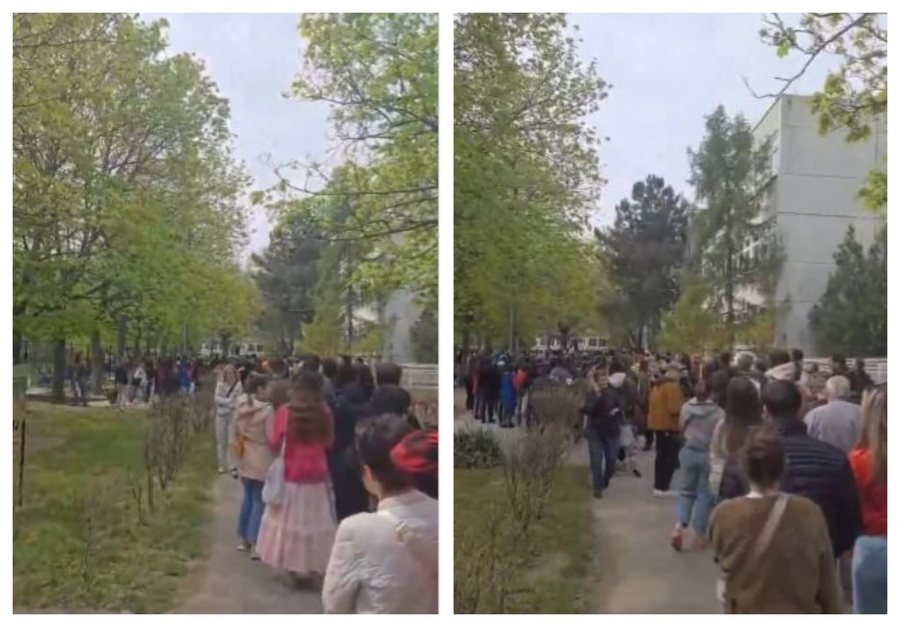
The massive turnout in Hungary's elections is being seen as the strongest signal of the day that the opposition has managed to mobilize the vote of discontent against the government...
Hungary voted today, April 12, 2026, in a climate rarely seen in the Viktor Orbán era. Turnout rose to record levels during the day, reaching 74.23% by 5 p.m., significantly above the pace of previous elections.
This fact itself does not automatically seal the opposition's victory, but it seriously changes the political reading of the race: such a high turnout is, first and foremost, a signal that the elections are no longer controlled solely by the disciplined voters of power, but are also attracting broad layers of the electorate that are dissatisfied, undecided, and eager for change.
This is why the high turnout is being read as a development that favors the opposition led by Péter Magyar and the Tisza party.
Reuters reported before the vote that Tisza was leading in the polls heading into election day, while the AP and The Guardian described the process as the most serious challenge to Viktor Orbán in 16 years in power. In these circumstances, the wider the turnout, the weaker the effect of Fidesz’s “voting machine,” which has traditionally benefited from the mobilization of its strong core and organizational advantage on the ground.
Why is high turnout considered a problem for the government?
Because long-term power usually wins more easily in elections with average or low turnout, where clientelistic networks, loyal voters, and local control weigh more. When voter turnout explodes beyond this circle, voters who are not usually part of the electoral routine come into play: young people, urban citizens, the economically disillusioned, voters seeking “political punishment,” and voters who might normally stay home.
These groups have been widely identified as more inclined towards Tisza than towards Fidesz. The AP reported that the protests and rallies of recent days were dominated by young people and voters disillusioned with corruption, while a poll it cited showed that 65% of voters under 30 supported Tisza.
Here lies the crux of the matter: record turnout is not simply a technical figure, but an indicator that the elections are perceived as a moment of upheaval. When voters think that “this time something can change,” they turn out more. And this motivation, in most cases, does not favor the government that seeks continuity, but the camp that is sold as an alternative to change.
In Hungary, Tisza has built her campaign on precisely this formula: anti-corruption, restoring ties with the EU, repairing the state, and breaking away from the fatigue of a 16-year regime.
Pjesëmarrja e lartë nuk është vetëm statistikë; është referendum emocional kundër lodhjes nga regjimi.
Orbán nuk hyri në këto zgjedhje si lider i pathyeshëm. Reuters, AP dhe The Guardian e kanë përshkruar këtë garë si zgjedhjen më të rrezikshme për të që nga ardhja në pushtet në vitin 2010. Pakënaqësia ndaj kostos së jetesës, stanjacionit ekonomik, korrupsionit dhe konsumimit të gjatë të modelit të tij politik ka krijuar terren për mobilizim kundër pushtetit. Pjesëmarrja e lartë është pasqyra e këtij presioni të akumuluar. Ajo tregon se pakënaqësia nuk ka mbetur në nivelin e komenteve apo sondazheve, por është kthyer në sjellje reale elektorale.
Nga kjo pikëpamje, po, pjesëmarrja favorizon opozitën, sepse opozita është përfituesja natyrore e klimës së “votës për ndryshim”. Por ky lexim ka një kufi shumë të rëndësishëm: Hungaria nuk është një terren neutral elektoral. Sistemi zgjedhor është i tillë që pjesëmarrja e lartë nuk mjafton vetë për ta rrëzuar Fidesz-in. Parlamenti ka 199 vende; 106 dalin nga zona njëemërore ku fiton kandidati i parë, ndërsa 93 nga lista kombëtare. Ky model i jep rëndësi të madhe hartës territoriale dhe shpërndarjes së votës, jo vetëm numrit total të votave. The Guardian dhe Reuters theksojnë se gerrymandering-u dhe ndryshimet ligjore të viteve të fundit i japin avantazh strukturor Fidesz-it, edhe kur opozita ecën mirë në sondazhe.
Kjo do të thotë se opozita nuk ka nevojë vetëm për një pjesëmarrje të lartë; asaj i duhet një epërsi e qartë dhe e shpërndarë mirë gjeografikisht. Një valë masive votash në Budapest dhe në qendrat urbane nuk mjafton domosdoshmërisht nëse Fidesz ruan kontrollin në zona kyçe njëemërore. Kjo është arsyeja pse pjesëmarrja e lartë është lajm i mirë për opozitën, por jo ende një certifikatë fitoreje. Në terma të ftohtë: dalja masive e bën garën më të rrezikshme për Orbánin, por sistemi i tij është ndërtuar pikërisht për të mbijetuar edhe kur klima politike i fryn kundër.
Një element tjetër që e bën këtë pjesëmarrje të favorshme për opozitën është kompozimi social i mobilizimit. Sipas raportimeve ndërkombëtare, energjia më e madhe anti-Orbán ka ardhur nga të rinjtë, nga shtresat urbane dhe nga votuesit që e shohin zgjedhjen si përcaktim mes Lindjes dhe Perëndimit. Ky framing është shtyrë fort nga Péter Magyar, i cili e ka paraqitur votimin si zgjedhje të drejtimit strategjik të vendit. Edhe Reuters, edhe The Guardian, edhe AP e nënvizojnë se gara është shitur si përplasje mes vazhdimit të modelit “iliberal” pro-rus dhe një rikthimi më të qartë drejt BE-së. Kur zgjedhjet marrin këtë peshë identitare dhe gjeopolitike, pjesëmarrja e lartë tenton të favorizojë kampin që premton kthesë, jo status quo-në.
At this point, something essential must be said: high turnout is a vote against the comfort of power. It shows that the strategy of fear, fatigue and routine has not fully worked. Orbán built the campaign on security, on Ukraine, on the fear of change and on preserving “stability”. The opposition, on the contrary, built it on moral revolt against corruption, on the degradation of public services and on the need to break away from Hungary’s political isolation. When turnout reaches a record, this shows that the second narrative has managed to get people out of the house. And when people do get out of the house to punish, they usually do not vote for continuity. This is a political interference supported by the way sources report on voter motivation and the profile of mobilization.
But a cool analytical line must also be maintained. Can Fidesz also benefit from the high turnout? Yes, to some extent. Reuters notes that Orbán maintains strong support in the rural base and among ethnic Hungarians abroad, while control over the media landscape and political infrastructure remain real advantages. So we are not faced with a mechanical formula “high turnout = Fidesz loss”. We are faced with a more precise formula: “high turnout = significantly increased chances that the opposition will break through the wall erected by the system”.
Overall, the record turnout should be read as the most important barometer of the day in favor of the opposition, because it proves four things at once: first, that the electorate of change is motivated; second, that Tisza has managed to turn discontent into mobilization; third, that the race has been given a historic character; and fourth, that Fidesz's electoral machine is no longer sailing in calm waters. But just as clearly, this is not enough in itself to declare the opposition the winner, due to the institutional and territorial advantages of the government.
High turnout in Hungary favors the opposition because it expands the voter base beyond the traditional base of power, mobilizes the young and the disaffected electorate, and turns the election into a vote for change. But in a system skewed in favor of Fidesz, this advantage must be not just large, but clear, deep, and well-distributed across the territory. So the record turnout is a real alarm for Orbán and fresh oxygen for the opposition, but not yet a notarial act of its victory. / Pamphlet






Lini një Përgjigje