


 Shkruar nga Pamfleti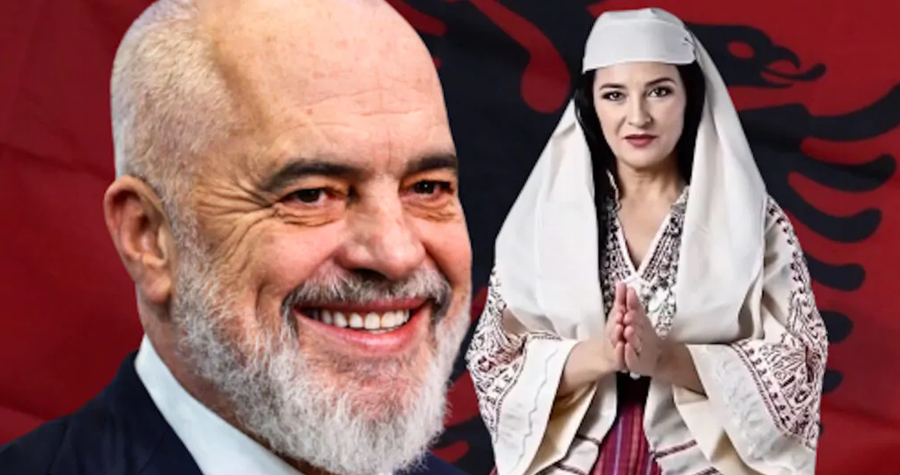
Euronews and Balkan Insight: EU demands reforms, Rama produces virtual ministers and modern illusions to cover up lack of responsibility...
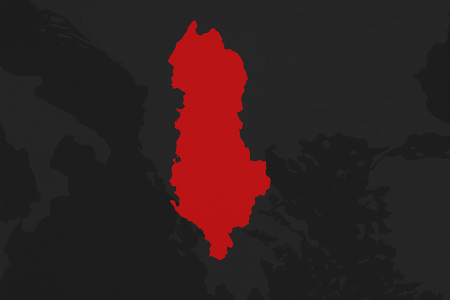
Today, Albania is once again in the international press, but not for any visible success in European integration or for any reform that changes the daily reality of the citizen.
Two well-known media outlets, Euronews and Balkan Insight, have put Tirana under the microscope for two topics that seem distant at first glance, but that essentially speak to the same thing: the illusion of modernity that serves as a cover for a lack of substance.
Euronews dedicates a full article to the "virtual minister" introduced by Prime Minister Edi Rama named Diella, an artificial intelligence avatar that is supposed to represent the digital government of the future.
On paper, the idea sounds like a step towards innovation and transparency. In practice, however, it raises more questions than answers. A digital figure that has no legal personality, cannot be held accountable, and does not legally represent anyone is being used as a symbol of state progress.
In fact, it is just another marketing tool to create the impression of reforms that do not exist. Euronews expresses it diplomatically, but it is clear to any reader who knows how to read between the lines: behind this futuristic spectacle lies a tired administration, a politicized bureaucracy and a system that reacts to criticism with a facade, not with improvement.
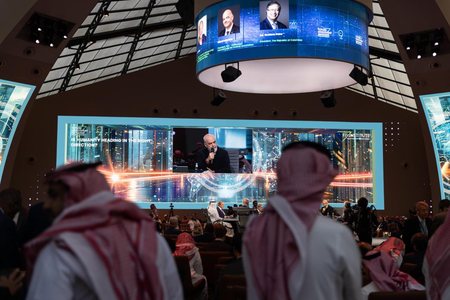
Brussels, which starts the EU enlargement summit tomorrow, will not be looking for avatars or hologram speeches, but for measurable results in justice, the fight against corruption and respect for civil liberties. And in these areas, today's Albania continues to stagnate.
On the same day, the investigative portal Balkan Insight publishes a study by an American academic on the issue of race and identity in Albania. In a country that often calls itself “racially free” and “open,” the study reveals another reality: silent discrimination against Roma, Egyptians, and other marginalized groups. In essence, the Balkan Insight article is a reflection of what Albania refuses to see in itself; deep social divisions that are masked by patriotic and Europeanist slogans. The Albanian government tries to build the image of a modern country, but the reality experienced by the ordinary citizen remains that of an unfinished transition, where poverty, exclusion, and the lack of meritocracy are stronger than any political promise.
Both of these articles, although coming from different fields, speak of the same fundamental problem: Albania has built a new public identity that lives only in press releases, conferences and social networks. A country that seeks to appear innovative, but remains deeply dysfunctional; that talks about artificial intelligence, but suffers from a lack of institutional intelligence; that invents virtual ministers, while real ministers are immersed in clientelism, arrogance and lack of responsibility. In this context, every international article that mentions Albania is more a reminder than a compliment: a reminder that Europe does not measure the value of a country by visual performance, but by real standards.
In Brussels, recent reports place Albania below the regional average for corruption, transparency and media freedom. And while Tirana tries to convince partners that it is “more European than the Europeans”, the reality on the ground tells a different story: public offices where citizens are treated like numbers, tenders awarded in the dark and justice that operates at different speeds depending on the person’s last name. “Diella” cannot change this. An artificial voice reciting phrases about digital reform cannot replace the human responsibility missing from governance.
At the end of the day, Albania 2025 looks more like a protracted experiment between reality and digital illusion. The state spends energy building images, not institutions; the government seeks international applause for facades, not substance. And while the EU demands concrete evidence, Tirana responds with an avatar that smiles on the screen, but cannot sign off on any reforms. This is the Albania the world is seeing today: a country that invents virtual ministers to cover the real power vacuum and lack of accountability. In the end, artificial intelligence is not the problem, the lack of political intelligence is. / Pamphlet




Ore diellen kush e mbarsi u muar vesh gje?