


 Shkruar nga Pamfleti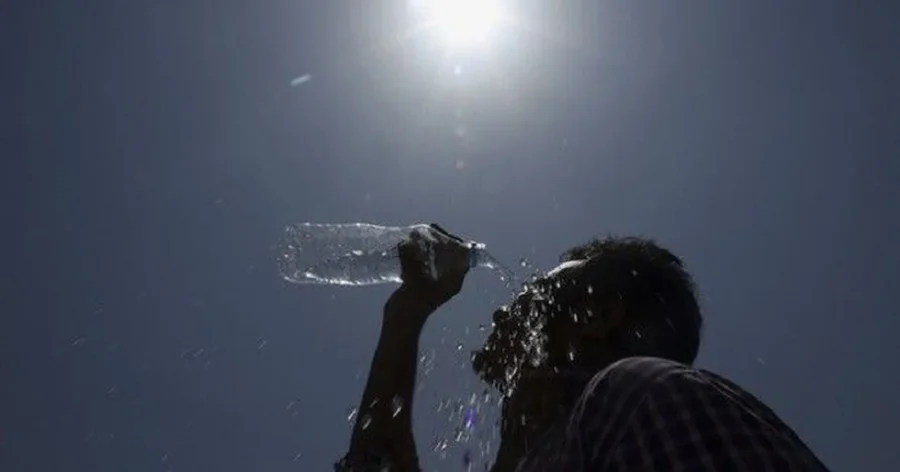
The extraordinary heatwave that swept across Europe this June would have been "almost impossible" a few decades ago, according to a new scientific analysis, which finds that climate change caused by human activity has clearly contributed to the intensity of the phenomenon.
The study published by World Weather Attribution, an international network of scientists that assesses the impact of climate change on extreme events, describes this heat wave as the most severe ever recorded in the region.
According to the report, extreme temperatures have hit several European countries, including France, Spain, the United Kingdom and Switzerland, breaking historical records within a few days. In some cases, records have been broken twice within 24 hours, making the situation even more unusual.
Scientists analyzed data from the three hottest days and nights of this wave, comparing them to previous heatwave episodes, such as those in 1976 and 2003. Their conclusion is that events of this scale would have been almost impossible 50 years ago.
The report notes that the planet has warmed by about 1.1 degrees Celsius over the past five decades, which has significantly increased the likelihood and intensity of heat waves. According to the analysis, a wave similar to the one in 1976 would be about 3.5 degrees Celsius hotter today.
Of particular concern are high temperatures at night. Experts warn that they are particularly dangerous, as they do not give the body time to recover from heat stress. According to the findings, nighttime heatwaves in Europe are now about 100 times more likely than in 2003.
Of 854 cities analyzed in 30 European countries, 45% have recorded or are close to breaking "humid globe" temperature records, an indicator that measures the combined impact of heat, humidity and other climate factors on human health.
Experts warn that Europe, the world's fastest-warming continent, is facing increasingly frequent and intense heat waves. The consequences are being felt in everyday life, from school closures and transport disruptions to energy problems and an increase in fatalities.
Preliminary data indicates hundreds of deaths in several countries, including over 200 in Spain in a few days and dozens in France, while authorities expect the toll to rise.
Scientists point out that without rapid reductions in emissions from fossil fuels, such extreme events will become more frequent, more intense and more dangerous.
"It's a question of what kind of future we want to have," declared researcher Friederike Otto, underlining the urgent need for global action on the climate crisis.





Lini një Përgjigje