


 Shkruar nga Brett H. McGurk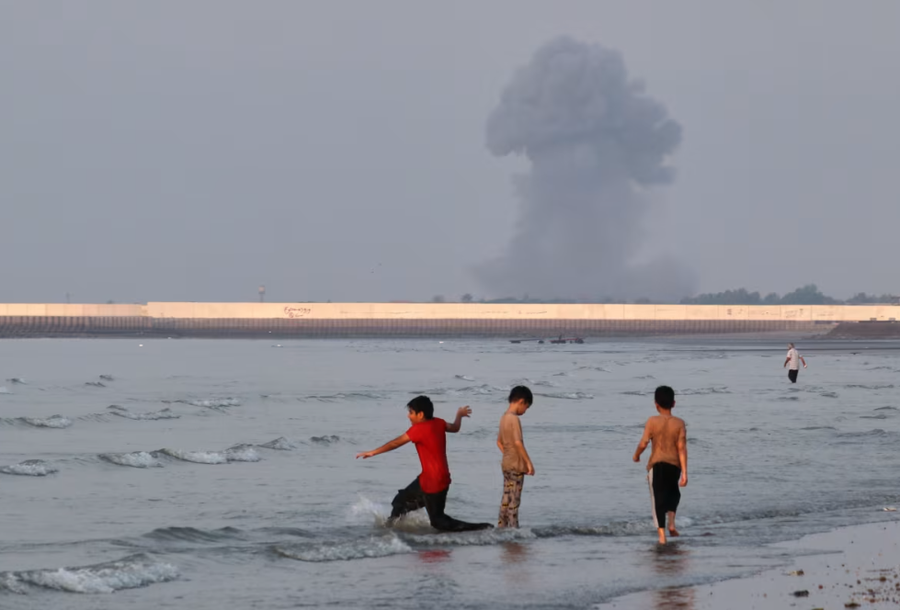
The blockade of Hormuz, the battle that could decide the fate of the US-Iran conflict
When the US and Israeli military operation against Iran began in February, I cited a principle of classical military theory. If a leader, in this case President Donald Trump, does not have a clear picture of what the objectives are before launching a military operation, then the objectives will be set for him, and not necessarily in the way he had envisioned.
This is a principle of Carl von Clausewitz, the 19th-century military theorist, who would probably be turning in his grave looking at the developments taking place in the Middle East today.
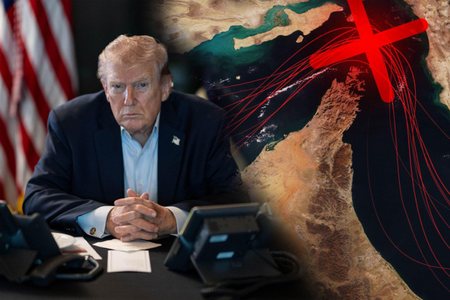
Neither Israel nor the United States specified precisely what they were aiming to achieve when they launched the attack on Iran nearly five months ago. Trump spoke of regime change, weakening Iran’s military capabilities and eliminating nuclear material left over from airstrikes ordered last summer. Iran responded by attacking sites across the Middle East, as well as commercial ships passing through the Strait of Hormuz, the sea corridor through which about 20% of global energy trade passes.
Today, the US's main objective is the opening of the Strait of Hormuz, an objective that, as Clausewitz would have warned, was not part of the plan at all when the war began.
Return to the starting point
The US and Iran are nearing the halfway point of the 60-day period of the memorandum of understanding (MOU) signed by Donald Trump and Iranian President Masoud Pezeshkian. The document was intended to offer Iran sanctions relief in exchange for ensuring the safe passage of commercial ships through the Strait of Hormuz. However, the wording of the document appears to give Iran the right to determine how those rules will be implemented during that period.
Tehran is interpreting the document literally, while the US refers to additional understandings that are not written in the text.
Last week, Iranian drones hit two ships, one from Qatar carrying liquefied natural gas and the other from Saudi Arabia carrying crude oil. Iran reportedly sent messages through intermediaries claiming the attacks were a mistake. Some analysts even interpreted them as a sign of an internal clash in Tehran between those who wanted to preserve the memorandum and those who were willing to risk a new escalation with the United States.
Trump reagoi shpejt duke urdhëruar sulme ajrore hakmarrëse për të imponuar interpretimin amerikan të memorandumit. Pas sulmeve të tjera iraniane ndaj anijeve, marrëveshja u shemb plotësisht këtë javë. Të hënën, Trump njoftoi rikthimin e bllokadës ndaj porteve iraniane dhe tha se SHBA-ja ishte e gatshme të bëhej "kujdestarja" e Ngushticës së Hormuzit në këmbim të një forme pagese. Shtetet e Bashkuara ndërmorën një valë të re sulmesh ajrore brenda Iranit, ndërsa Irani goditi edhe dy anije të tjera tregtare pranë brigjeve të Emirateve të Bashkuara Arabe, duke vrarë një anëtar indian të ekuipazhit.
Derisa situata të qetësohet, pak anije do të rrezikojnë të kalojnë përmes Ngushticës së Hormuzit, duke bërë që çmimet e naftës të rriten sërish. Kjo mund të shtojë presionin mbi Shtëpinë e Bardhë për të provuar edhe një herë rikthimin e memorandumit.
Në thelb, SHBA-ja dhe Irani janë rikthyer pikërisht në pikën ku ndodheshin përpara nënshkrimit të marrëveshjes.
Ekuilibri i avantazheve
Irani duket se llogarit se presioni mbi Ngushticën e Hormuzit do ta detyrojë SHBA-në të tërhiqet, duke krijuar një realitet të ri në Lindjen e Mesme ku Teherani kontrollon një nga nyjet më të rëndësishme të tregtisë botërore. Nga ana tjetër, SHBA-ja duket se beson se presioni i ri ndaj Iranit do ta detyrojë atë të tërhiqet dhe të lejojë rikthimin e lëvizjes së lirë të tregtisë, siç ishte para luftës.
Në këtë përballje, Irani ka dy avantazhe: një të lashtë dhe një modern.
Avantazhi i parë është gjeografia. Pozicioni i Iranit i jep atij një epërsi natyrore mbrojtëse, duke e detyruar SHBA-në të përballet në kushte të pabarabarta dhe duke zbehur epërsinë tradicionale ushtarake amerikane.
Avantazhi i dytë është lufta me dronë, veçanërisht dronët Shahed, të cilët prodhohen me kosto të ulët dhe mund të fluturojnë mbi 1.600 kilometra për të goditur një cisternë nafte që lëviz ngadalë gjatë natës. Dronët mund të rrëzohen ose të devijohen, por mjafton një goditje, apo edhe kërcënimi për një goditje, për të ndalur trafikun tregtar.
Këto dy avantazhe favorizojnë Iranin, të paktën në afat të shkurtër. Ato gjithashtu kufizojnë opsionet e SHBA-së nëse synon të garantojë realisht kalimin e sigurt të anijeve tregtare.
Unë kam qenë përgjegjës për Lindjen e Mesme në Shtëpinë e Bardhë gjatë viteve 2023 dhe 2024, kur grupi i mbështetur nga Irani, Huthët, bllokoi praktikisht Detin e Kuq me dronë dhe raketa kundër anijeve. Pavarësisht krijimit të një koalicioni ndërkombëtar dhe një fushate të gjatë ajrore kundër tyre, ishte pothuajse e pamundur të ndalej çdo sulm, e aq më pak të rikthehej besimi i kompanive detare për të kaluar në atë rrugë.
Megjithatë, në planin afatgjatë, avantazhi mund të kalojë në favor të Uashingtonit për katër arsye.
First, the Gulf countries are united in rejecting Iranian claims over the Strait of Hormuz and are increasingly cooperating with the US to prevent the conflict from ending with Iranian control of this corridor.
Second , the Iranian economy continues to be under pressure, and a prolonged blockade will place even greater strain on Iranian decision-makers and the population.
Third , Iranian airspace remains relatively undefended and US forces can strike targets almost unhindered, limited only by the number of known targets.
Finally, new export routes are being developed in recent weeks, reducing global dependence on the Strait of Hormuz. The United Arab Emirates has announced new plans for ports and infrastructure that bypass the strait, building on existing projects. The more Iran’s ability to hold the world economy hostage through Hormuz is reduced, the less influence it will have.
What is expected now?
I expect a hot summer of mutual retaliatory attacks, open diplomatic channels behind the scenes, periods of de-escalation and then new flare-ups. This has been the pattern of relations with Iran for decades, especially after attacks on American troops in Iraq, Syria and elsewhere. Washington has used military force to deter attacks, diplomacy to control them, and a combination of the two to de-escalate when necessary. As long as the Revolutionary Guards remain in power in Tehran, diplomacy can produce only limited and tactical agreements.
The same pattern is now being repeated in the Strait of Hormuz, but with much broader consequences. /Adapted from "CNN"




Lini një Përgjigje