


 Shkruar nga Pamfleti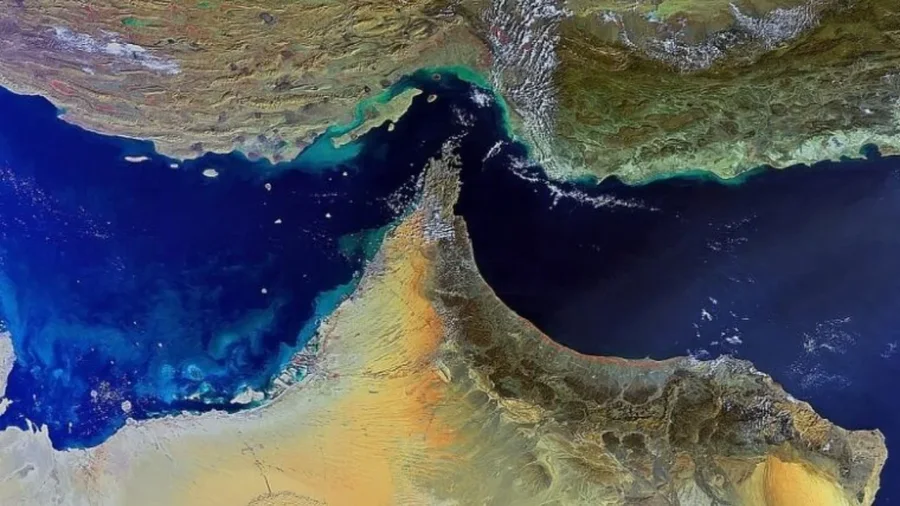
News that Iran has reached an agreement with the US to open the Strait of Hormuz, on the condition that ships using it pay special fees, is circulating in Iranian media.
Revolutionary Guard spokesman Ibrahim Zolfaghari said that for the first 60 days, passage would be free, and then a separate fee would be imposed on each ship passing through the strait.
According to the Iranian Fars agency, Tehran added in the final moments of negotiations with the United States a clause that provides for the imposition of tariffs on maritime transport services in the strategic Strait of Hormuz.
"In the final minutes of the negotiations, the text of the memorandum of understanding was changed to clearly and unequivocally emphasize the issue of Iranian-Omani sovereignty over the Strait of Hormuz," Fars reported, citing an anonymous source.
According to the agency, the use of the term "maritime services" in the final text implies that the US has accepted the payment of tariffs to Iran.
Meanwhile, BIMCO, the largest international shipping organization, announced that it continues to consider passage through the Strait of Hormuz a high-risk operation.
According to BIMCO, safety conditions for the maritime industry remain volatile, while the threat from naval mines in the area continues to be a serious concern.
Despite Donald Trump's optimistic statements about the restoration of oil flows, shipping companies remain cautious due to the risk of mines and high costs of securing conflict zones. The latest data shows that over 160 tankers remain blocked, while the full normalization of the energy market is expected to be delayed.
At the same time, the developments are being described as a still fragile diplomatic success, which requires time and constant verification to guarantee long-term stability in the region.
Shipping companies are carefully following developments and are taking a wait-and-see approach.
Although a ceasefire has been announced between the US and Iran, maritime operators and ship owners have not rushed to return to normal routes and are treating the situation with caution.
The main factors that continue to hinder the full opening of the Strait are:
The danger of sea mines
The presence of mines in the Strait of Hormuz is considered the most urgent problem. The reopening of the Traffic Separation Scheme is seen as a necessary condition for ensuring safe navigation.
Lack of clear guarantees
The operational rules and administrative procedures for the passage of ships remain unclear. Although the US president announced the opening of the strait, Iranian authorities have not yet given an official confirmation that commercial traffic will proceed without restrictions.
For this reason, shipowners are awaiting the full publication of the agreement and its official signing, scheduled for June 19, before making decisions on the movement of their fleets.





Lini një Përgjigje