


 Shkruar nga Pamfleti
After more than two months of confrontation, the US and Iran reach an agreement to reopen the Strait of Hormuz. Trump did not achieve regime change, did not stop the missile program, and did not dismantle the Iranian nuclear program…
After two months of difficult negotiations, Iran and the United States have reached a deal to reopen the Strait of Hormuz. Iranian negotiators waited until after midnight Tehran time to say that the deal had not been reached on Donald Trump's 80th birthday. However, celebrations were still going on in the US when the US president announced the end of the deal. "Ships of the world, start your engines," Trump wrote on his Truth Social platform.
The document is expected to be signed in Geneva on Friday. The Strait of Hormuz will be fully navigable within 30 days. In exchange, the US will lift its blockade of Iranian ports and allow Iran to sell oil without sanctions during new negotiations over its nuclear program. The agreement temporarily puts a stop to the war that has rocked the global economy and affected international security for more than two months.
Skepticism in Washington: Was the war worth it?
Questions are growing in the US capital about whether the war has achieved the promised results. The Strait of Hormuz, a major artery of global energy trade, is set to reopen. But Trump's critics point out that it was not closed before the war began.
The president may argue that Iran has been weakened. However, when compared to the objectives he himself announced at the beginning of the conflict, the balance remains disappointing. When he launched the war on February 28, Trump spoke of regime change and the "liberation of the Iranian people." Today, the Iranian people are no longer mentioned in his statements. On the contrary, repression in Iran has increased.
Trump ordered a decapitating strike carried out by the Israeli military with US intelligence support. During the first day of the war, Supreme Leader Ali Khamenei and several other senior figures in the state apparatus and Revolutionary Guard were killed.
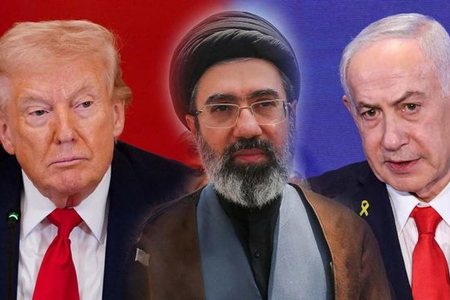
However, the regime remained in power. The appointment of Khamenei's son, Mojtaba Khamenei, as his successor signaled the maximum continuity of the system. The Islamic Republic did not change. If any transformation has occurred, it is more related to the growing influence of the Revolutionary Guard.
Trump has repeatedly declared that the Iranian military has been destroyed. But Tehran has repeatedly shown that it continues to have the capability to attack US bases in the region, neighboring Arab states and Israel with missiles and drones.
The missile program remained intact.
Një nga dështimet më të dukshme të administratës Trump lidhet me programin raketor iranian. Në marrëveshjen paraprake mes SHBA-së dhe Iranit nuk përmendet më asnjë kufizim ndaj raketave balistike iraniane.
Kjo bie në kontrast me kritikat që Trump i kishte bërë vazhdimisht Barack Obamës dhe Joe Bidenit për marrëveshjen bërthamore të vitit 2015, të cilën e quante "marrëveshja më e keqe në histori". Ai i akuzonte paraardhësit e tij se kishin injoruar programin raketor dhe aktivitetet e milicive të mbështetura nga Teherani në rajon.
Një tjetër çështje e ndjeshme është lirimi i fondeve të ngrira iraniane jashtë vendit, për të cilin Trump kishte sulmuar ashpër administratën Obama.
Në deklaratën e parë për luftën, Trump e paraqiti programin raketor iranian si një nga arsyet kryesore të ndërhyrjes ushtarake.
Në kundërshtim me vlerësimet e Agjencisë së Inteligjencës së Mbrojtjes (DIA), ai pretendonte se raketat iraniane së shpejti mund të arrinin territorin amerikan.
Trump premtoi se SHBA-ja do ta "fshinte nga faqja e dheut" prodhimin iranian të raketave.
Megjithatë, një analizë e CIA-s, e cituar nga "Washington Post", arriti në përfundimin se Irani ende zotëron rreth 70 për qind të rezervave raketore që kishte para luftës dhe afërsisht 75 për qind të platformave të lëvizshme të lëshimit.
Presidenti amerikan duket se nënvlerësoi aftësinë e forcave iraniane për t'i mbijetuar një konflikti të gjatë. Për dekada me radhë, Irani ka ndërtuar objekte nëntokësore prodhimi dhe lëshimi raketash, të cilat vetë i quan "qytete raketash".
Negociatat bërthamore sapo kanë filluar
Ende nuk mund të jepet një vlerësim përfundimtar për negociatat bërthamore, pasi ato do të nisin vetëm pas nënshkrimit të memorandumit të mirëkuptimit.
Megjithatë, edhe brenda Partisë Republikane ekziston skepticizëm ndaj premtimit të paqartë të Iranit se nuk synon të prodhojë armë bërthamore.
Teherani ka bërë deklarata të ngjashme edhe më parë. Madje regjimi e kishte formalizuar këtë qëndrim edhe përmes një fetvaje fetare.
Agjencia shtetërore iraniane Fars theksoi se deklarata aktuale nuk krijon asnjë detyrim të ri për programin bërthamor.
Frika se Irani po fiton kohë
Shumë politikanë dhe ekspertë amerikanë besojnë se Irani do të ndjekë strategjinë e njohur të zvarritjes së negociatave, duke kaluar nga një afat në tjetrin. Llogaritja e Teheranit është e qartë: Trump nuk dëshiron rikthimin e luftës para zgjedhjeve të Kongresit në vjeshtë.
Po aq i fortë është skepticizmi se regjimi iranian do të heqë dorë përfundimisht nga programi i tij bërthamor, të cilin e konsideron çështje sovraniteti kombëtar.
Madje lufta e fundit kundër SHBA-së dhe Izraelit ka forcuar zërat në Teheran që kërkojnë një kapacitet bërthamor parandalues.
Për Iranin konsiderohet fitore fakti që negociatat bërthamore janë shtyrë në një fazë të dytë.
Kjo e dobëson pozicionin negociues të SHBA-së, pasi Uashingtoni po heq paraprakisht një nga mjetet kryesore të presionit: bllokadën ndaj porteve iraniane.
There is also no indication that Tehran will make greater concessions than those it could have offered even without war.
A few days before the start of the military operation, Iranian Foreign Minister Abbas Araghchi met in Geneva with US envoy Steve Witkoff and Jared Kushner, Trump's son-in-law.
There is also no evidence that the recent war has set back Iran's nuclear program.
During the 12-day war of 2025, the US and Israel heavily bombed the nuclear facilities at Natanz, Fordow, and Isfahan. US intelligence estimates at the time suggested that the time it would take Iran to produce a nuclear weapon had been extended from three to six months to nine to twelve months.
According to a new intelligence assessment cited by Reuters, the latest Israeli strikes have not extended that deadline further. Trump had also considered military options to capture or destroy Iran's enriched uranium, but considered them too risky.
The regime builds the myth of victory
Iran's greatest weakness remains economic. Israel has destroyed parts of the steel industry and petrochemical sector, two of the country's main sources of foreign exchange. High inflation and an economic crisis have further worsened the lives of Iranian citizens.
However, the regime in Tehran is building a victory narrative.
A new generation of Revolutionary Guard commanders is presenting the regime's survival as a triumph over the world's most powerful military. They argue that they not only resisted the attempted coup but also undermined the Gulf states' confidence in American security guarantees.
In this situation, Tehran is counting not only on Trump's political limitations within the US, but also on his tendency to lose interest in complicated conflicts.
In both Ukraine and Gaza, the US president has shown that he often shifts attention to other crises. In the Gaza Strip, implementation of the ceasefire has stalled and the disarmament of Hamas remains the main obstacle.
For this reason, despite the new agreement, Iran may emerge politically stronger from the conflict, while Trump has still not achieved most of the objectives he announced when he started the war. /Adapted from Pamphlet by FAZ/





Lini një Përgjigje