


 Shkruar nga Pamfleti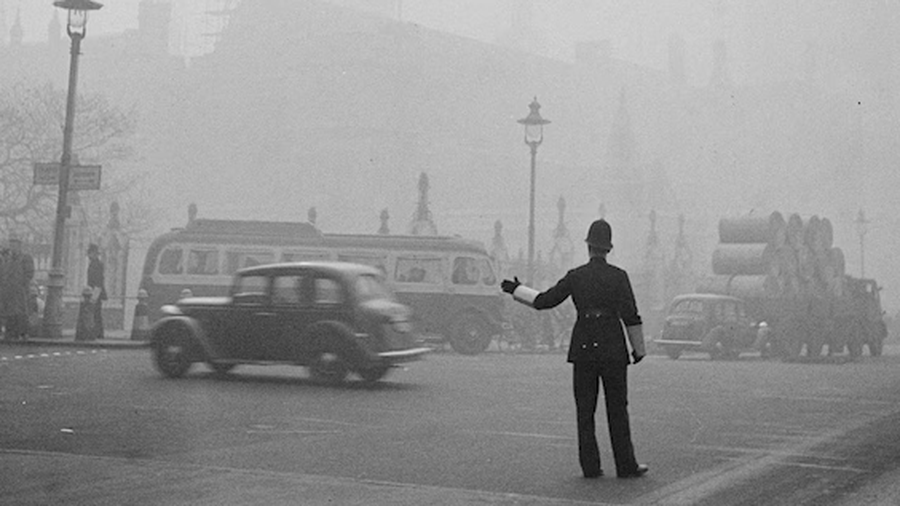
"Don't judge me by my successes, judge me by how many times I've fallen and gotten up again." - Nelson Mandela, former South African leader
The Great London Smog: How did over 12,000 people die in 5 days?
The smog severely affected a large area of the UK capital. It was a thick, toxic haze that is still considered one of the worst cases of air pollution in history…
On December 5, 1952, an unusually thick layer of fog descended on the city of London. But most people didn't notice the change, and the day went by much the same as the previous ones.
However, residents soon began to feel that this time the fog was extremely dense, visibility was reduced to a minimum, and above all the number of cases of respiratory problems and cardiac arrests related to it began to increase significantly.
Over the next five days, a low curtain of fog and smoke fell over London, and the city became a scene of accidents, crime and chaos. The disaster, which claimed the lives of 12,000 people, was caused by several factors: first and foremost by the severe air pollution that had plagued the capital for some time, mainly due to the excessive use of coal as an industrial fuel and by residents for heating.
Furthermore, an anticyclonic phase, or high atmospheric pressure, prevented the dispersion of harmful substances in the air, overwhelming the city and causing the disaster, which today, 73 years later, is remembered as the "Great London Smog".
The term "smog" itself was coined in 1905 by physician Henry De Vos at the Public Health Congress in London, to describe the particular atmospheric conditions affecting the British capital and large cities in general at the time.
The Great London Smog has been widely studied over the years and is remembered as one of the worst cases of air pollution in the world. The public health consequences of those five days of smog continued to be felt in the months and even years that followed.
Chemically, the Great London Smog of 1952 was a concentration of pollutants released into the atmosphere and held over the city by an anticyclone. If you're wondering how it works, imagine an area of high pressure that pushes air down toward the Earth's surface, creating a kind of "blanket" of warm air.
The temperature inversion caused between the warm air and the colder ground naturally creates smoke and fog. Added to this were pollutants and emissions from the use of coal, which at the time was used both in homes and factories.
Po ashtu, duhet të kujtojmë se Londra ishte një qytet industrial dhe përgjatë lumit Tamiz, lumit që rrjedh nëpër qendrën e metropolit, kishte dikur fabrika dhe termocentrale që përdornin qymyr. Të ndikuar nga temperaturat e ulëta të fundvjeshtës, banorët e shtuan ngrohjen në shtëpitë e tyre.
Ky reaksion zinxhir, shkaktoi ngecjen e sasive të mëdha të substancave toksike. Rrth1.000 ton tym, 2.000 ton dioksid karboni dhe 370 ton dioksid squfuri, çliroheshin në mjedis çdo ditë. Diapazoni i vlerave të konsideruara normale për Londrën në vitin 1952 ishte një sasi tymi midis 0.44 dhe 0.12 miligramë për metër kub ajër (mg/m³).
Ndërkohë gjatë ditëve të Smogut të Madh, përqendrimet u rritën ndjeshëm, veçanërisht në 3 ditët e para, duke arritur një vlerë maksimale prej 4.46 mg/m³ në lagjen qendrore të Lambeth, pranë ndërtesës së Bashkisë së Qarkut.
Smogu ishte aq i trashë dhe i dendur sa që pengonte rrjedhën normale të trafikut.
Avionë uleshin sapo ishin ngritur në ajër, në pamundësi për të vazhduar më tej, dhe trajektoret e atyre që vinin në Londër, u devijuan në aeroportet e qyteteve të tjera.
Pati dhjetëra aksidente, ambulanca që mbërrinin me shumë vonesë, spitale të mbipopulluar dhe madje edhe një rritje të dukshme të grabitjeve dhe krimit, të cilat e transformuan qytetin në një teatër të vërtetë tmerri. Por mbi të gjitha, ekspozimi ndaj ndotësve ishte shkatërrues për shëndetin e qytetarëve.
Fëmijët dhe më të moshuarit filluan të sëmuren, ashtu si të gjithë ata me sëmundje kronike ekzistuese. Kolla, astma, pneumonia dhe arrestet kardiake shkaktuan 4.000
vdekje vetëm në ditët e para. Megjithatë, është vlerësuar se viktimat totale të shkaktuara nga Smogu i Madh i Londrës ishin rreth 12.000.
Më në fund të martën e 9 dhjetorit, në qytet mbërriti një zonë me presion të ulët duke sjellë erë dhe shi. Londra mundi të merrte frymë përsëri. Pas asaj tragjedie u ngrit një komitet për të përcaktuar burimet e ndotjes dhe për të hartuar një sërë rekomandimesh për industrinë dhe qytetarët.
Këto dokumente formuan bazën e Aktit të Ajrit të Pastër, një ligj që mori miratimin mbretëror në vitin 1956 dhe u lejoi autoriteteve të kontrollonin emetimet e ndotësve dhe të krijonin zona pa smog.
Ngjarje të tjera të rëndësishme:
5 Dhjetor 1933 - Shtetet e Bashkuara ratifikojnë Amendamentin e 21-të, i cili anuloi plotësisht Amendamentin e 18-të, dhe e bëri sërish të ligjshëm shitjen dhe konsumin e alkoolit. Ky akt i dha fund epokës të njohur si “Prohibicioni”.
5 Dhjetor 1945 - Gjatë një stërvitjeje rutinë në Atlantik, një skuadron prej 5 avionësh bombardues të Marinës Amerikane, zhduket në mënyrën misterioze në rajonin e quajtur tani “Trekëndëshi i Bermudës”.
December 5, 1955 - Following the arrest of Rosa Parks for refusing to give up her seat on a bus to a white man, Martin Luther King Jr. and other civil rights leaders launch a massive and highly successful boycott of the Montgomery, Alabama, bus system. The boycott lasts 381 days and becomes a powerful symbol of the Civil Rights Movement.
December 5, 1978 - The Soviet Union signed a friendship treaty with Afghanistan, just one day before it intervened militarily in the country to install a pro-communist, Moscow-backed government.
December 5, 2013 - Nelson Mandela, former president of South Africa, dies at the age of 95. Mandela was known as a freedom fighter, political prisoner, civil rights leader, political leader, and a symbol of integrity and reconciliation not only for South Africa, but for the entire world./ Adapted from "Pamphlet" by "Geopop"






Lini një Përgjigje