


 Shkruar nga Pamfleti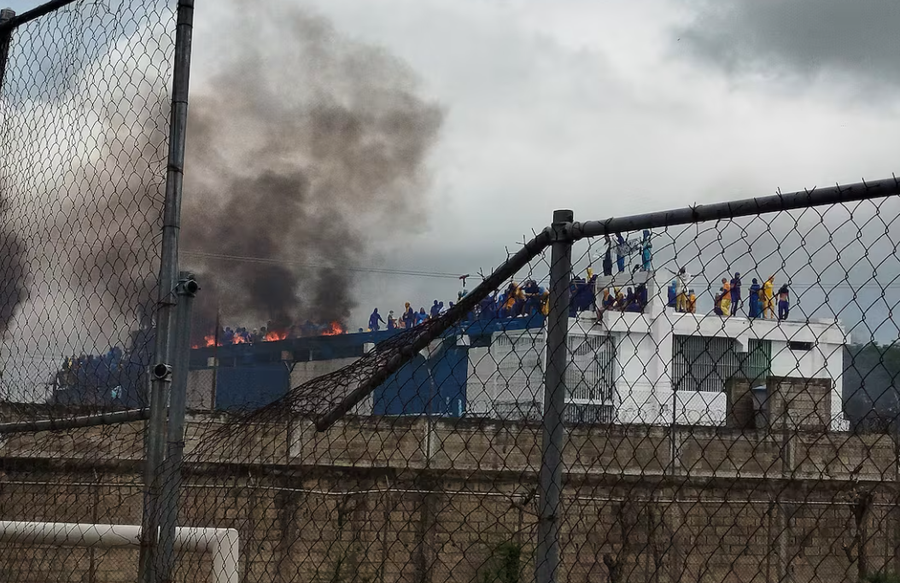
After years of criminal gang dominance in Venezuelan prisons, the government of Nicolás Maduro launched a military offensive to regain control. However, human rights organizations warn that the violence has not disappeared, but has taken a different form: isolation, mistreatment and silent deaths in state custody...
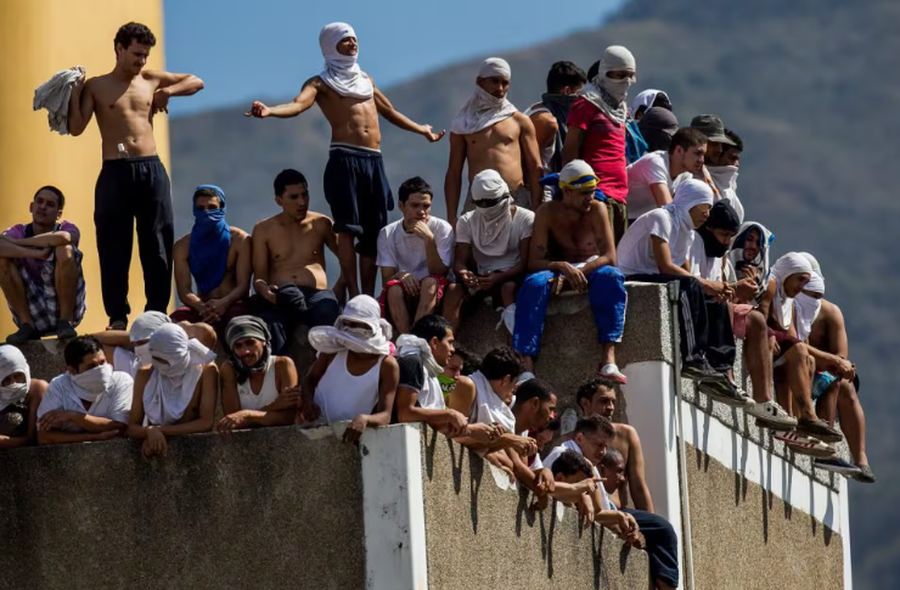
Being imprisoned in Venezuela is today considered one of the most severe forms of social marginalization. Whether an ordinary prisoner or a political prisoner, a person deprived of their liberty faces conditions that domestic and international organizations describe as inhumane. In many cases, prisoners are left without legal protection, without access to medical treatment, and without minimal guarantees of personal safety.
According to an analysis published by the Spanish newspaper El País, the Venezuelan penitentiary system has transitioned over the last two decades from the control of criminal mafias to a militarized management model, with increasing denunciations of state violence, isolation, and degradation of living conditions in prisons.
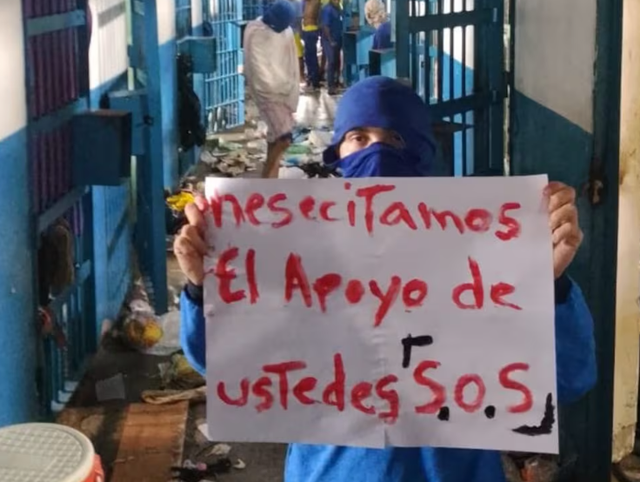
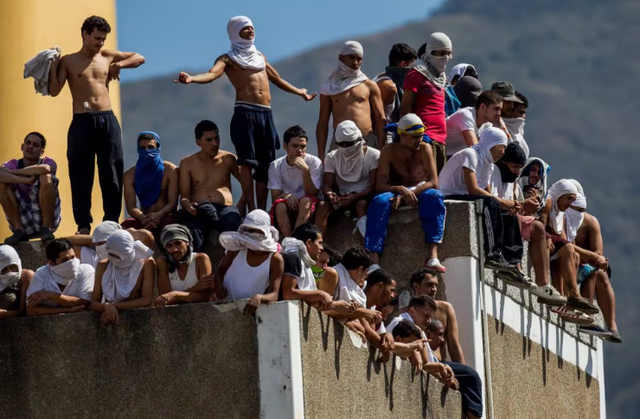
Spoiled food, extreme overcrowding, violent controls, arbitrary restrictions on family visits, and a severe lack of hygiene are reported in prisons and detention centers. Riots continue to erupt periodically, especially when tensions between prisoners and authorities reach a peak. Just last weekend, there was a riot in Barinas prison, while in April another broke out in the Yares complex, leaving several dead and injured.
When the victims are political prisoners, the cases usually receive public attention and provoke political reactions. But for ordinary prisoners, the situation is different. Most deaths go unnoticed and are only reported by family members or human rights organizations. According to the Venezuelan Prison Observatory (OVP), 16 people died in prisons in April and May 2025 alone. In 2024, 149 deaths were recorded in state custody, while since 2017 the total number of victims in penitentiary institutions has reached 560.
The end of the "Prans" and the military offensive
For many years, Venezuelan prisons were controlled by so-called “pran,” a term used for criminal leaders who exercised absolute power over the lives of prisoners. These individuals managed arms trafficking, extortion, kidnapping, and criminal activities that extended beyond the prison walls.
Figura e “pranit” nisi të zhdukej pas vitit 2023, kur presidenti Nicolás Maduro urdhëroi zbatimin e planit “Gran Cacique Guaicaipuro”. Operacioni përfshiu mbi 11 mijë efektivë ushtarakë dhe policorë, të cilët morën kontrollin me forcë të disa prej burgjeve më të mëdha të vendit: Tocorón, Tocuyito, Yare I, II dhe III, La Pica, El Rodeo, Uribana dhe Puente Ayala.
Tocorón konsiderohej simboli i degradimit të sistemit penitenciar. Brenda tij funksiononin restorante, diskoteka, laguna artificiale dhe madje edhe një mini-zoo. Burgu ishte baza kryesore e organizatës kriminale “Tren de Aragua”, e cila më vonë u shtri në disa vende të Amerikës Latine. Autoritetet sekuestruan gjatë operacioneve qindra armë lufte, dronë, drogë dhe madje një qendër telefonike të përdorur për organizimin e zhvatjeve dhe rrëmbimeve.
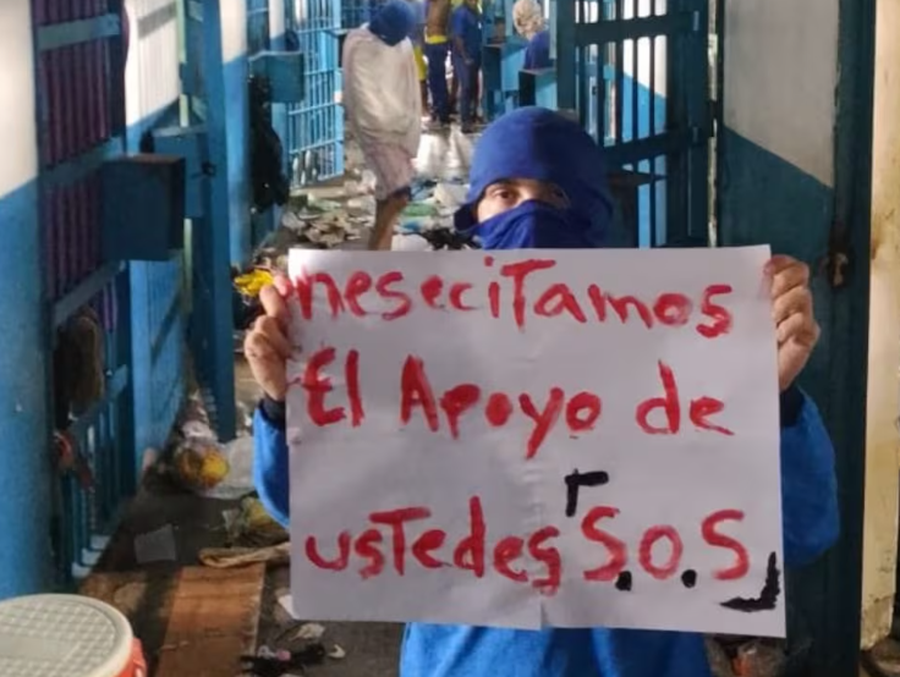
Shumë prej liderëve kriminalë arritën të arratiseshin përpara hyrjes së forcave shtetërore, ndërsa pjesë të rrjeteve kriminale u zhvendosën drejt vendeve të tjera të rajonit. Analistët e lidhin forcimin e këtyre strukturave kriminale me periudhën kur Ministria e Brendshme drejtohej nga Tareck El Aissami, ish-zyrtar i lartë chavist që sot ndodhet në burg për korrupsion në kompaninë shtetërore të naftës PDVSA.
Rënia e kriminalitetit dhe lindja e problemeve të reja
Sipas të dhënave zyrtare të cituara nga El País, tolerimi i aktiviteteve kriminale brenda burgjeve ndikoi drejtpërdrejt në shpërthimin e kriminalitetit në Venezuelë gjatë viteve 2000–2010. Numri i rrëmbimeve u rrit me 900%, ndërsa shkalla e vrasjeve u katërfishua, nga rreth 5 mijë vrasje në vitin 2000 në 25 mijë në vitin 2012.
Më vonë, kombinimi i krizës ekonomike, emigracionit masiv dhe politikës së ashpër të sigurisë së qeverisë Maduro çoi në një rënie të ndjeshme të kriminalitetit. Autoritetet argumentojnë se rikthimi i kontrollit shtetëror në burgje kontribuoi në uljen e dhunës në vend dhe në reduktimin e revoltave të përgjakshme që dikur ishin të zakonshme.
Megjithatë, organizatat e të drejtave të njeriut paralajmërojnë se kontrolli ushtarak nuk solli humanizimin e sistemit penitenciar. Sipas denoncimeve, të burgosurit tani jetojnë nën një disiplinë të rreptë ushtarake, veshin uniforma, konsumojnë racione minimale ushqimore dhe zgjojnë çdo mëngjes me marshime ushtarake dhe slogane politike në mbështetje të Hugo Chávez. Në disa burgje, të burgosurit politikë dhe ata ordinerë mbahen në të njëjtat ambiente.
Në të njëjtën kohë janë shtuar raportimet për rrahje, tortura me goditje elektrike, përdorim armësh zjarri kundër të burgosurve dhe mungesë totale trajtimi mjekësor. Disa të burgosur kanë vdekur nga kequshqyerja, tuberkulozi, infeksionet apo diarretë e patrajtuara. Familjarët raportojnë gjithashtu se ushqimet dhe sendet personale që sjellin për të afërmit shpesh konfiskohen në mënyrë arbitrare.
Kushtet konsiderohen edhe më të rënda në burgjet e sigurisë së lartë si Fuerte Guaicaipuro, Zona 7 apo El Rodeo II, të administruara nga Drejtoria e Kundërzbulimit Ushtarak (DGCIM).
Kritika ndaj shtetit
Humberto Prado, director of the Venezuelan Prison Observatory, states that the government had a historic opportunity to reform the penitentiary system when it created the Ministry of Penitentiary Affairs in 2011. According to him, instead of improving conditions, the system further degraded.
"The ministry had the resources to guarantee quality food, medical care and rehabilitation programs for prisoners. None of this happened. The situation worsened," Prado told El País.
He also mentions the recent revolt in Yare, where according to him five prisoners were killed and over 70 others were injured by security forces' gunfire, without any public investigation or institutional accountability.
According to the OVP, since the creation of the Ministry of Penitentiary Affairs in 2011, around 3,500 people have lost their lives in state custody in Venezuelan prisons. The organization Provea, which specializes in the protection of human rights, also argues that structural problems remain unchanged: long judicial delays, chronic overcrowding, degraded infrastructure and lack of hygiene. The organization’s coordinator, Óscar Murillo, states that the “pacification” of prisons after 2023 is more related to tacit agreements between the government and criminal groups than to real institutional reforms.
The prison crisis in Venezuela is not a phenomenon of recent years. Even during the last decades of the democratic system, Venezuelan prisons experienced major revolts with hundreds of victims. However, according to analysts, no government has undertaken deep structural reforms. With the coming to power of the Bolivarian revolution in 1999, the prison population doubled in parallel with the increase in crime. The rule of the “prans” lasted more than two decades and allowed the creation of a large arsenal of weapons inside the prisons.
Today, although crime in Venezuela has fallen to its lowest levels in four decades, human rights organizations warn that prisons continue to remain places where prisoners die in silence, whether under mafia or state control. /Adapted from Pamphlet /




Lini një Përgjigje