


 Shkruar nga Pamfleti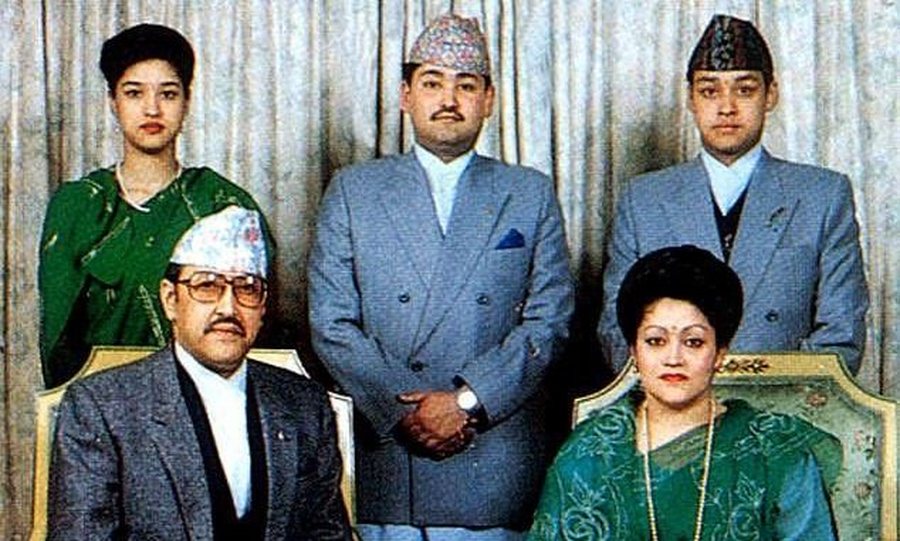
On June 1, 2001, Prince Dipendra of Nepal opened fire on his own family, killing nine people, including the king and queen. The event marked the beginning of the end for the country's Hindu monarchy, which was abolished seven years later.
The night of June 1, 2001, remains one of the most shocking episodes in modern Asian history. Within the walls of the Royal Narayanhiti Palace in Kathmandu, Crown Prince Dipendra Bir Bikram Shah Dev murdered nine members of the royal family, including his parents, King Birendra and Queen Aishwarya, as well as his younger brother and sister.
The event marked the beginning of the end for the Shah dynasty, which had ruled Nepal for more than two centuries and was considered by many Hindu believers to be the earthly incarnation of the god Vishnu.
In the early 2000s, Nepal was facing a Maoist insurgency in rural areas and political tensions in the capital. In this fragile climate, the massacre inside the royal palace shocked not only the country but also international opinion.
According to official investigations and forensic reports, Dipendra had consumed large amounts of alcohol and was under the influence of cannabis. Dressed in a camouflage uniform and armed with an M16 automatic rifle, he opened fire on his family during a family dinner.
On the evening of June 1, the royal family had gathered at the royal residence for a routine family meeting. According to witnesses and subsequent reports, Dipendra was displaying erratic behavior and was visibly agitated.
After an argument that evening, King Birendra asked him to leave the meeting. About an hour later, the prince returned armed and opened fire inside the main hall of the palace.
The first victim was his father, King Birendra. Queen Aishwarya, Prince Nirajan, Princess Shruti and several other members of the royal family were then killed. Evidence suggests that the attack also continued outside the palace, where some family members tried to escape.
At the end of the attack, Dipendra also shot himself in the head.
Although identified as the perpetrator of the massacre, Dipendra remained alive for several days in a coma. According to the constitutional order of succession, he was proclaimed King of Nepal upon the death of King Birendra.
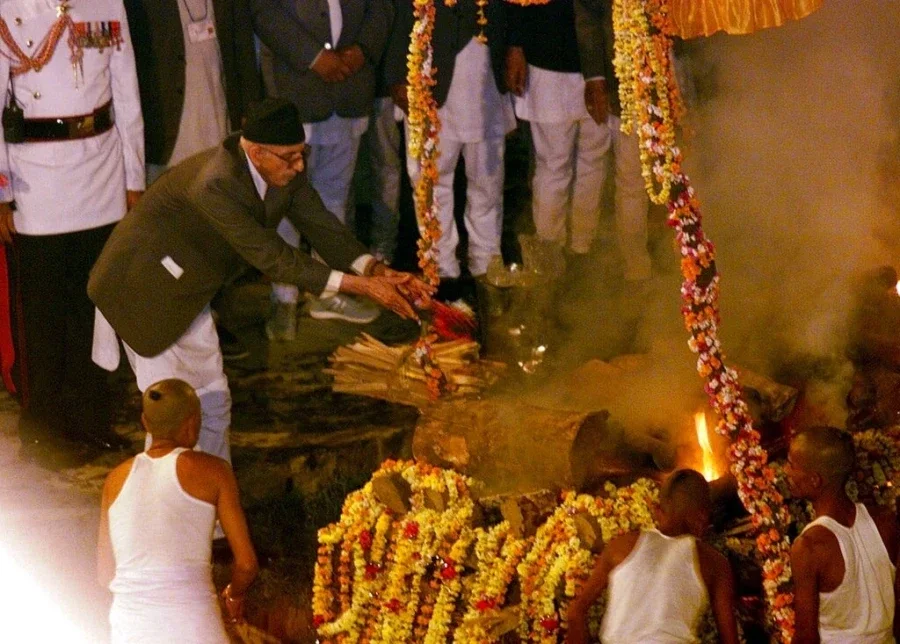
For three days, Nepal had an unconscious monarch, in a situation unprecedented in modern history. On June 4, 2001, Dipendra passed away without regaining consciousness.
After his death, the throne passed to his uncle, Gyanendra Bir Bikram Shah Dev, who had not been present at the fateful dinner.
The official version of events linked the massacre to family tensions and the royal family's opposition to Dipendra's desire to marry Devyani Rana, a member of a prominent aristocratic family.
However, the official explanation did not end the speculation. For years, various conspiracy theories circulated in Nepal about the true circumstances of the tragedy.
The Narayanhiti Palace massacre dealt a severe blow to the prestige and legitimacy of the Nepalese monarchy. In a period marked by civil war and political crisis, citizens' trust in the royal institution was significantly weakened.
Seven years later, in 2008, Nepal officially abolished the monarchy and declared itself a republic, ending the world's last Hindu kingdom.






Lini një Përgjigje