


 Shkruar nga Pamfleti
The Israel Defense Forces (IDF) temporarily suspended attacks on Lebanon after agreeing to a ceasefire on April 16. However, they quickly resumed attacks on what they called Hezbollah targets, claiming they were "defensive operations" permitted under the US-brokered ceasefire. The number of attacks has increased significantly in recent weeks.
During the week ending May 31, the IDF conducted 514 waves of airstrikes in Lebanon, according to the Alma Center for Research and Education, an independent nonprofit organization specializing in security challenges on Israel’s northern border. This continued the upward trend from 328 waves of attacks the previous week, a 57% increase.
The Israeli military has struck the Lebanese capital, Beirut, twice since the ceasefire between Israel and Lebanon came into effect on April 16. The most recent attack occurred last Thursday.
The number of Hezbollah attacks against Israel and IDF forces has also increased. In the week ending May 31, Hezbollah carried out 227 waves of attacks against Israel and IDF forces, according to Alma Research. This was a 41% increase compared to the previous week.
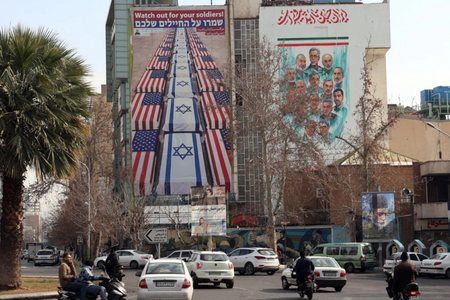
The latest round of fighting between Israel and Hezbollah began on March 2, when Hezbollah resumed attacks on Israel after the US and Israel launched a war against Iran. Hezbollah is Iran's most powerful regional proxy.
More than 3,400 people in Lebanon have been killed in the latest conflict, according to Lebanon's Health Ministry. Its figures do not distinguish between combatants and civilians. More than 1.2 million people have been displaced.
Israel says 24 of its soldiers and four Israeli civilians have been killed during the same period on both sides of the border.
A previous ceasefire between Israel and Hezbollah had been in effect since November 27 and had been largely respected by both sides.





Lini një Përgjigje