


 Shkruar nga Pamfleti
The head of Estonia's Foreign Intelligence Service believes that military losses, economic pressure and domestic problems are weakening Vladimir Putin's position in the war against Ukraine...
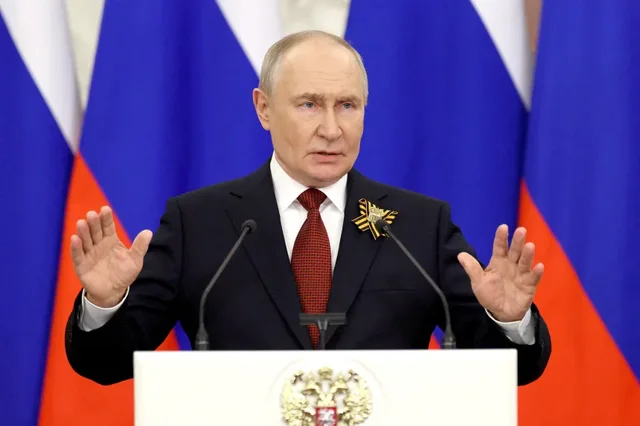
Russian President Vladimir Putin is running out of time to win the war in Ukraine, as the situation on the front remains stalemated and internal problems are increasing, a European intelligence chief told CNN.
In the next 4 or 5 months, Putin “may no longer be able to negotiate from a position of strength ,” Kaupo Rosin, the director of Estonia’s Foreign Intelligence Service, said during an interview at the agency’s headquarters in Tallinn.
Rosin described a combination of economic, military and social pressures facing Putin that he said could force the Kremlin to the negotiating table. “Time is not on Russia’s side,” he said.
Estonia, a former Soviet republic and now part of NATO, is considered a key watchdog for the Western alliance. Rosin spends much of his work analyzing developments within his country's large and hostile neighbor.
"I no longer hear talk of total victory. People in the Kremlin understand that the situation on the Ukrainian battlefield is not going well ," Rosin said, adding that Moscow is losing more soldiers than it is recruiting.
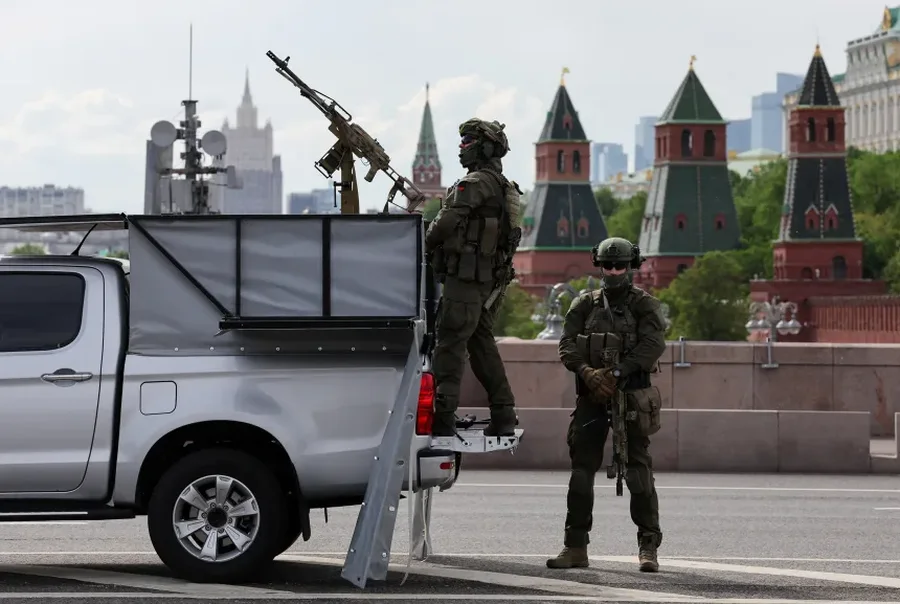
According to analyses by the Washington-based Center for Strategic and International Studies (CSIS) and other institutions, Russian forces have advanced an average of only 70 meters per day in the two years through January, while about 1,000 soldiers are killed or wounded every day.
US Secretary of State Marco Rubio declared last week that the Russians “are losing 15,000 to 20,000 soldiers a month killed. Not wounded, but killed.” In April, according to the Ukrainian Ministry of Defense, 35,203 Russian soldiers were killed or seriously wounded, a figure similar to previous months.
CNN notes that it cannot independently verify the casualties on either side, and Moscow and Kiev do not release official figures. Most of the casualties are being caused by drones, a technology in which both Ukraine and Russia have invested heavily. Rosin predicts that the dominance of drone warfare will limit major changes on the front lines.
Aktualisht, sipas tij, të dyja palët janë “të paafta të kryejnë një depërtim masiv të mekanizuar” në thellësi të territorit armik. Balanca teknologjike në përdorimin e dronëve ka ndryshuar disa herë gjatë luftës. Megjithatë, Ukraina pretendon se një gjeneratë e re dronësh interceptues po zbut efektin e sulmeve ruse ndaj qyteteve të saj.
“Përqindja e dronëve Shahed të rrëzuar nga dronët interceptues është dyfishuar gjatë katër muajve të fundit”, deklaroi këtë javë ministri ukrainas i Mbrojtjes Digjitale, Mykhailo Fedorov.
Një mobilizim tjetër?
Sipas Rosin, nëse Rusia dëshiron të rigjallërojë ofensivën dhe të pushtojë pjesën e mbetur të rajonit lindor të Donbasit, objektivi i saj i deklaruar publikisht, alternativa e vetme do të ishte “një lloj mobilizimi të detyruar”.
“Nëse rusët do të arrinin të mobilizonin edhe disa qindra mijëra njerëz të tjerë për në front, kjo do të ishte problem për Ukrainën”, tha ai. Megjithatë, Rosin paralajmëroi se një hap i tillë “do të krijonte rreziqe shtesë për stabilitetin e brendshëm” të Kremlinit.
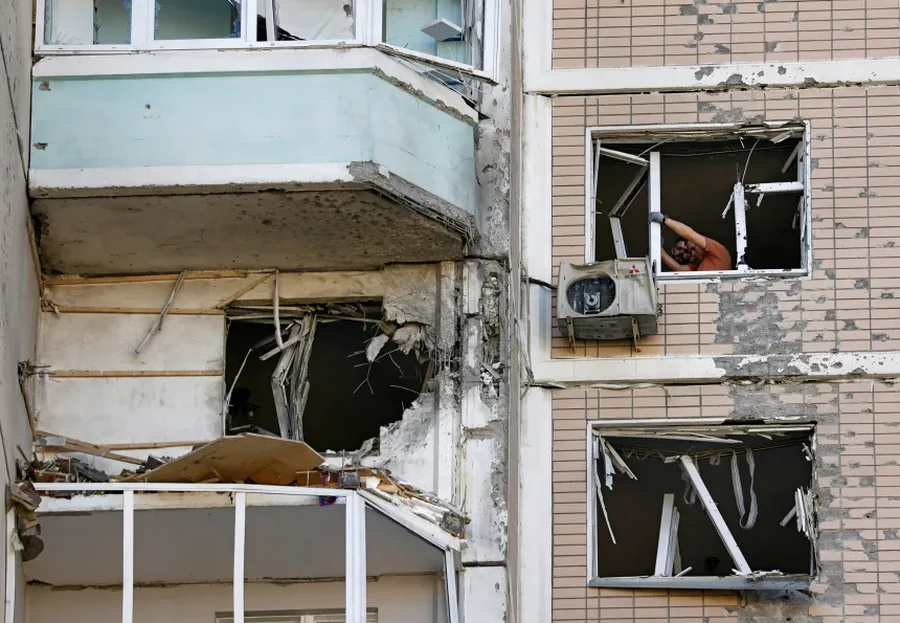
“Ata janë shumë të shqetësuar për stabilitetin e brendshëm dhe e monitorojnë me kujdes… Nuk është një vendim që do ta merrnin lehtë”, shtoi ai.
Moska urdhëroi një mobilizim të pjesshëm të rezervistëve në shtator 2022, shtatë muaj pas nisjes së pushtimit të plotë të Ukrainës. Ky mobilizim shkaktoi protesta dhe një largim masiv të burrave që kërkonin të shmangnin rekrutimin.
Që atëherë, rekrutimi është mbështetur kryesisht në shpërblime të mëdha financiare dhe përfitime të tjera që ofrohen nga autoritetet rajonale, por aftësia për të ruajtur këto stimuj është dobësuar për shkak të presionit ekonomik.
Rosin tha se kostoja e luftës, sanksionet ndërkombëtare dhe sulmet ukrainase ndaj industrisë jetike të naftës ruse po fillojnë të japin efekt. Javën e kaluar, Rusia uli parashikimin e saj për rritjen ekonomike këtë vit nga 1,3% në 0,4%. Zv.kryeministri Aleksandër Novak fajësoi mungesën e fuqisë punëtore, shpenzimet e tepërta qeveritare dhe sanksionet perëndimore.
Sipas Rosin, Ukraina ka shkaktuar “miliarda dollarë dëme” në sektorin energjetik rus, ndërsa dronët ukrainas me rreze të gjatë godasin rafineri, qendra eksporti dhe tubacione qindra kilometra brenda territorit rus.
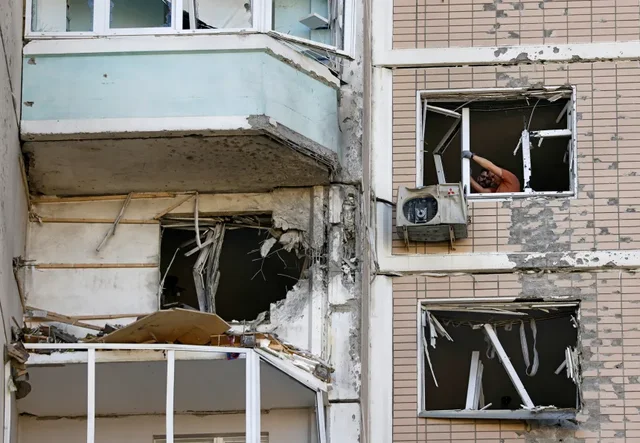
Duke iu referuar sulmeve të fundit me dronë ndaj Moskës, Rosin tha se “lufta po vjen në shtëpi” për qytetarët rusë. Megjithatë, mbetet e paqartë nëse këto zhvillime kanë ndikuar te Putini. “Kur do ta kuptojë ai situatën reale? Çështja e Ukrainës është kaq ideologjike për të, sa ndoshta nuk e ka të lehtë të ndryshojë mendim”, tha Rosin.
Even if Russian troops don't make much progress, Rosin believes Putin will continue his efforts. "They will try to make next winter for Ukrainians at least as difficult as this year, if not more difficult. If he doesn't achieve his goal by military means, he will certainly try to achieve it through other means, to install a pro-Russian government in Kiev."
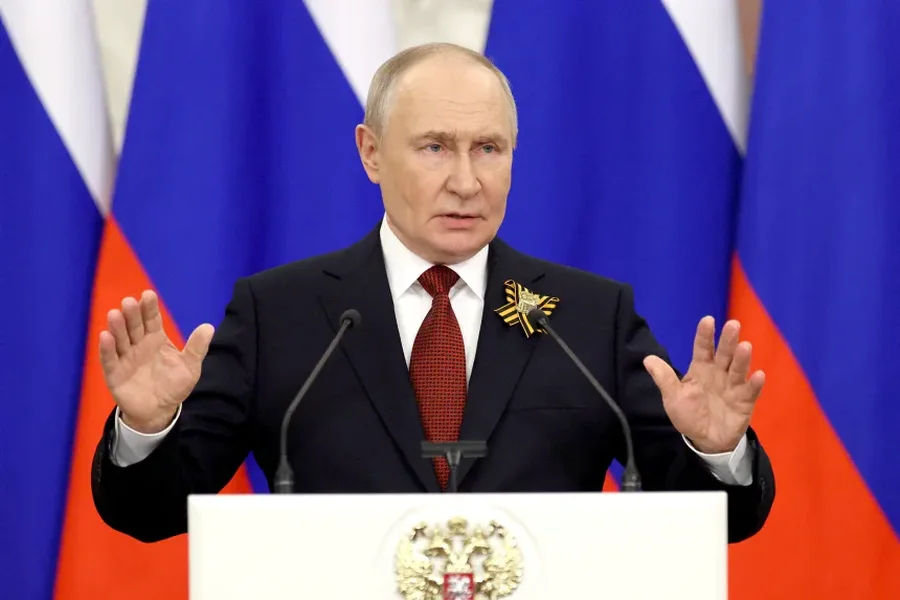
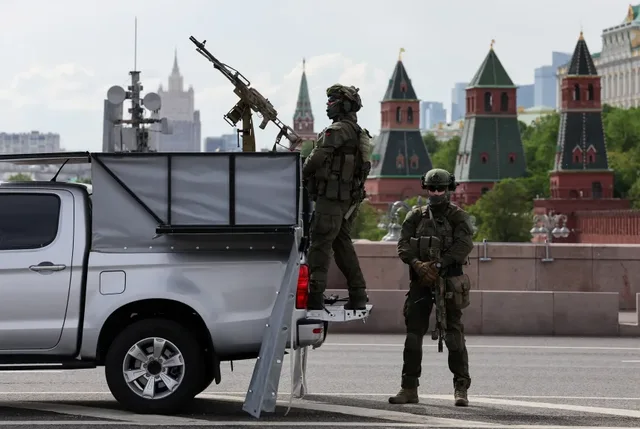
According to Rosin, political paranoia is also growing in Moscow, with security measures around the president tightened amid rumors of coup plots. He added that the return of soldiers from the war is creating new problems within Russian society.
"They bring with them violence, instability, psychological problems and criminality," Rosin said, adding that some of them join organized crime groups.
A CSIS study last year estimated that Russian soldiers returning from the war have killed or wounded more than 1,000 people inside Russia.
Although resentment over the war may grow with the economic downturn, Rosin said he currently sees no signs of open unrest, due to the security services' tight control over any form of dissent.
"I don't see a revolution on the road at the moment, but sometimes such systems are empty from the inside. And if something happens, it could happen very quickly and surprise us all," he concluded. /Adapted from CNN /



Ish kryeministrja e Letonisë:Kaja Kallas është mbesa e një nazist i që ka vrarë me legjionin e tij ushtarak mijëra bij të Ukrainës dhe Rusisë...Po kështu edhe Von der Leyen është mbesa e një nazist i,larguar në Belgjikë më 1945...ku krijoi familje me një belge dhe lindi Ursulën,që ka 7 fëmijë dhe që s'ka patur kohë të lexojë një libër dhe jo të ishte ministre e mbrojtjes...E bëri Merkel për besnikërinë.BE e drejtojnë 3 gra budallaçkë pa pikë inteligjence,pa pikë finese dhe kulturë diplomatike!Ato duan luftë me çdo kusht që të mbulojnë korrupsionin galopant qënka përfshirë BE.. Kjo është e vërteta...dhe pse drithëruese mbetet e vërtetë e padiskutueshme!0
Nazistët këtë radhë janë agresorët rusë.