


 Shkruar nga Sergej Maidukov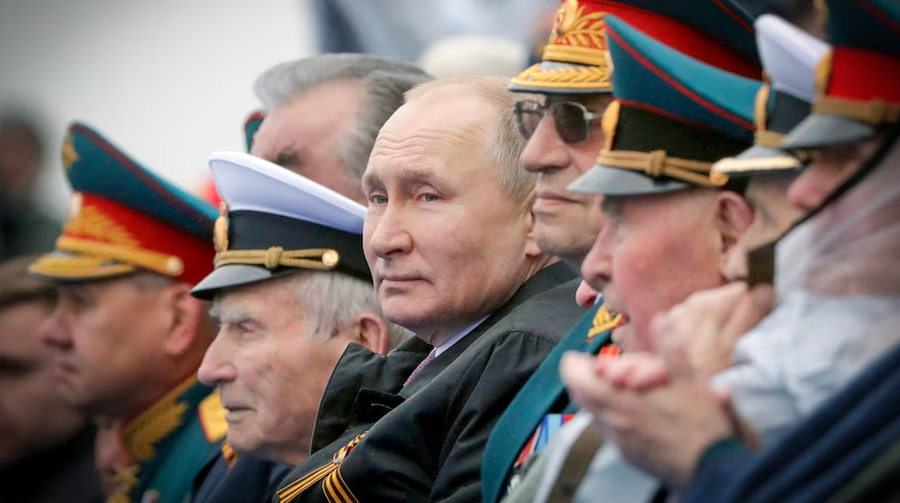
Russia's loyal ally against Napoleon and Hitler is also serving in this war, not only against Ukraine, but also against Europe...
As winter approaches, there is much anxiety in Ukraine. Last month, the so-called Coalition of the Willing, a group of Ukraine’s allies led by France and the United Kingdom, agreed to mobilize significant resources to help Kiev maintain electricity and district heating supplies in major urban areas. The effort appears to have had some effect as the heating season began only slightly later than usual, on October 28.
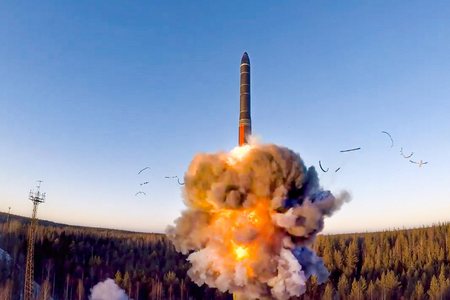
However, this does not offer much assurance that Ukrainian homes will be warm in the coming months. The Russian military continues to strike the country's critical infrastructure, aiming to damage the electricity grid and gas supply, just as the cold weather sets in.
"General Winter," Russia's loyal ally against Napoleon and Hitler, is also serving in this war, not only against Ukraine, but also against Europe.
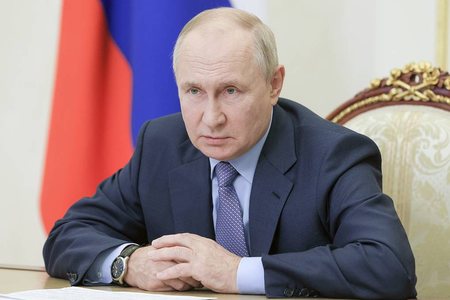
Having failed to win on the battlefield or force Kiev through ultimatums, Russian President Vladimir Putin has shifted the war to Ukraine's energy and logistics systems. At first glance, it looks like a repeat of past winters, but the strategy has evolved.
In 2022 and 2023, Russia tried to freeze the Ukrainians into submission. It failed. The nation’s spirit held and the lights came back on. Now Putin’s calculation is different. This time, the goal is not simply to punish Ukraine, but also to destabilize Europe through the human consequences of the cold and darkness.
When Russia’s full-scale invasion began in late February 2022, millions of Ukrainians fled west by train, car, and foot, creating the largest wave of refugees since World War II. If the energy system collapses, this wave could become a destructive force. This is the Kremlin’s most cynical plan: to weaponize winter.
Despite all the solidarity with Ukraine in the West, another wave of refugees would be deeply destabilizing. With aid budgets dwindling, Europe would face not only an economic burden but also a moral test. It would have to decide between closing its borders to desperate civilians fleeing the cold and addressing growing public discontent at home.
Today, about five million Ukrainian refugees remain in Europe. Germany and Poland have the largest populations, with 1.2 million and 900,000 respectively. Both have been very welcoming to Ukrainian refugees, but war fatigue is spreading and public attitudes are changing.
Pasi Kievi lehtësoi rregullat e daljes nga kufiri për të rinjtë në fillim të këtij viti, gati 100,000 meshkuj ukrainas kaluan në Poloni, shumë prej të cilëve vazhduan drejt Gjermanisë. Kjo shkaktoi pakënaqësi publike. Një sondazh i tetorit zbuloi se 62 përqind e gjermanëve janë në favor të kthimit mbrapsht të burrave ukrainas në moshë ushtarake dhe 66 përqind nuk duan që ukrainasit të marrin përfitime. Mbajtja e mbështetjes sociale për refugjatët ukrainas i kushtoi Berlinit 6 miliardë euro vitin e kaluar dhe qeveria e re konservatore gjermane vazhdon të flasë për shtrëngimin e buxheteve.
Në Poloni, pati gjithashtu indinjatë publike për valën e ardhshme të burrave të rinj ukrainas që largoheshin nga vendi. Një anketë e kryer në fund të vitit të kaluar zbuloi se 25 përqind e polakëve i shihnin refugjatët ukrainas pozitivisht, 30 përqind negativisht dhe 41 përqind ishin neutralë. Pesëdhjetë e një përqind besonin se mbështetja qeveritare për ta është shumë e lartë. Një vit më vonë, kjo prirje negative ka të ngjarë të ketë vazhduar.
Në vende të tjera, ku popullatat e refugjatëve ukrainas janë më të vogla, ka gjithashtu qëndrime negative në rritje. Në Republikën Çeke, ku janë vendosur afërsisht 380,000 ukrainas, 60 përqind e qytetarëve tani besojnë se vendi ka pranuar më shumë refugjatë sesa mund të përballojë.
Në qershor, Komisioni Evropian zgjati mbrojtjen e përkohshme për ukrainasit deri në mars të vitit 2027, por ankthi për një valë tjetër refugjatësh është i prekshëm në të gjithë bllokun. Në dy vitet e fundit, vendet e BE-së kanë ashpërsuar politikat për azilkërkuesit në tërësi. Gjermania ka rivendosur kontrollet kufitare me vendet fqinje të Shengenit, duke i zgjatur ato deri në vitin 2026. Polonia ka ndaluar së pranuari aplikime për azil në kufirin e saj me Bjellorusinë.
Putini dhe aleati i tij, presidenti bjellorus, Aleksandër Lukashenko, e dinë se strategjia e shtyrjes së njerëzve të dëshpëruar drejt kufijve të BE-së funksionon. Ata eksperimentuan me këtë lloj lufte hibride në vitin 2021, kur Bjellorusia i kanalizoi azilkërkuesit nga Lindja e Mesme dhe Azia drejt kufirit polak.
Në atë kohë, në ato kufij kishte mijëra njerëz, duke rezultuar në një krizë humanitare dhe vdekje. Këtë dimër, nëse sektori energjetik i Ukrainës shembet, qindra mijëra do të niseshin në perëndim drejt Polonisë ose në jug drejt Rumanisë dhe Hungarisë. Situata mund të përkeqësohej lehtësisht përmes infiltrimit të provokatorëve ose aktivitetit të dronëve përgjatë kufijve.
A do të ishte gati Europa?
Muajin e kaluar, ministri i jashtëm i Polonisë, Radoslaw Sikorski, tha se vendi i tij do të ndihmojë me gjeneratorë dhe furnizime shtesë me energji elektrike për Ukrainën. Por si mund t'i mbajnë gjeneratorët ngrohtë më shumë se 30 milionë ukrainas që kanë mbetur në shtëpi gjatë një dimri të acartë?
Putin knows the answer to this question. That is why the Russian military continues to bomb power plants, gas depots and railway crossings: not only to destroy infrastructure, but also to push civilians westward. Panic itself has become a weapon.
This winter, Ukraine may find the limits of the solidarity of its “willing” allies./ Adapted from “Pamphlet” by “Aljazeera”



Lini një Përgjigje