


 Shkruar nga Pamfleti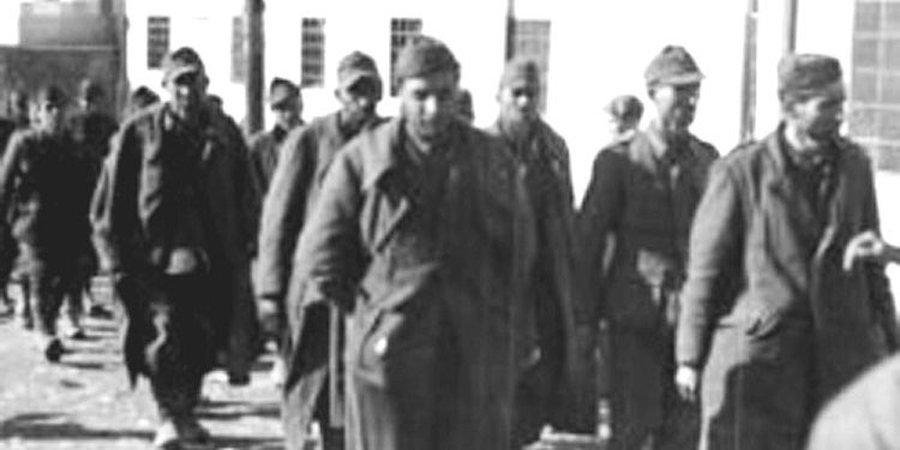
The repatriation of prisoners of war has been one of the most sensitive problems after World War II. About 250 German and Austrian soldiers, prisoners, or those who changed combat camps remained in Albania, where the dictatorship of the proletariat was being installed. It would not have been easy for them to return home, and some of them never returned. They were imprisoned, shot without trial, and secretly eliminated as agents...! Among those remaining in Albania were also women. Their fate is described by historian Paskal Milo in his latest work, titled “Albanian-German Crossroads”, published some time ago.
The historian relied on previously unknown documents, extracted from the archives of the Ministry of Interior, which testify to the number of prisoners of war, the conditions in which they lived in Albania, how they were persecuted by the State Security, and who was the last of the Germans to leave Albania.
REPATRIATION OF GERMAN PRISONERS OF WAR
The heavy burden of reparations that Germany, defeated in the War, had to shoulder and that had to be paid in the gloomy and dubious peace restored after it, was neither the only nor the first challenge for this country. In the span of 27 years of the first half of the 20th century, Germany had twice caused other nations, especially European ones, the loss of millions of human lives, on the fronts of the fighting and in the concentration camps, endless horrors and suffering, irreversible mutilations and biblical destruction.
The temporary laurel wreaths of victory placed on the hot heads of the conservative and warmongering Nazi circles were paid for with rivers of German blood, but they placed heavy economic, political and moral mortgages on the future of the nation. Hatred fell like a heavy curtain over the heads of Germany. Justice and revenge lived together for years. Trials like the Nuremberg Trials and many others did their job and punished the guilty and the great criminals, but not all those who deserved to be put in the dock. When the War ended, each nation took care to heal its wounds as best it could. Those who won, applied the balm of hope for peace and a better life to the pain.
The Germans, under the heavy weight of moral responsibility for the crimes committed in their name, experienced contempt and humiliation. Not everyone deserved it and not everyone was guilty. An entire people can never and should not be punished. They must be given hope to rise again from the deep abyss into which the terrible adventure of the criminal minority threw them. But even among the Germans, the drama of the War and its defeat was not experienced in the same way. It was difficult to find an ordinary German family that did not have a member killed or maimed.
But there were many, many more whose fate was unknown, wandering the streets of Europe and hundreds of thousands who were prisoners of war in the countries that won the war. At the Yalta Conference, the Great Allied Powers reached a comprehensive agreement on the protection, detention and repatriation of prisoners of war and their civilian subjects. But there was no special agreement for German prisoners of war either at Yalta or Potsdam.
There, the issue was only mentioned, more for use as labor or for the disarmament of the 400,000 of them who were in Norway. International laws and conventions for the treatment of prisoners of war were not lacking. But what was missing in post-war Germany was a central governing authority to take responsibility for their care. The International Red Cross and the German Red Cross were involved from the beginning and, with some delay, so were the occupying authorities of the Great Allied Powers in West Germany.
In Albania, at the end of the War, a number of prisoners of war from the Nazi army remained, most of whom were Germans, but there were also Austrian, Czech, Polish, Slovenian, Armenian, etc. Nationalities. These people and their fate have neither been spoken about nor written about. It has been a taboo subject and in this last quarter of a century unknown to public opinion.
The author, in view of this book, conducted special research in the diplomatic, military and Ministry of Internal Affairs archives and found interesting documentary sources that are mostly used for the first time. The number of prisoners of war in Albania was around 250, but different figures have been given in different years. The maximum figure is presented in a report from 1947, which writes about 298 German prisoners. Of these, over 200 people were Germans, 25 Austrians, etc.
This number, with few changes, remained almost the same from 1945 to 1950. In addition to them, about 50 German soldiers, who had joined the partisan forces after July 1944, were also held in Tirana with a special status awaiting repatriation. At the end of August 1945, 17 German partisans were allowed to leave Albania for repatriation, in October another 16 and in November another 11. In addition to them, 8 Austrian partisans, 2 Poles and a Czech were also repatriated. In terms of social composition, over 90 percent of the captives were workers, farmers and craftsmen. Among them were several officers, students and clerks, two priests, two painters, two doctors, several pharmacists, merchants, etc.
Shumica dërmuese kishin arsim fillor, pak me arsim të mesëm e fare pak me arsim të lartë. Kishin rënë robër kryesisht pas korrikut 1944, thuajse në të gjithë territorin e Shqipërisë, në Sarandë, Himarë, Vlorë, Fier, Elbasan, Librazhd, Peqin, Korçë, Tiranë, Pukë, Dibër, Kukës etj. Nga pikëpamja politike në lidhje me qëndrimin ndaj regjimit komunist, pjesa më e madhe e robërve cilësoheshin “indiferentë”, ndërsa kishte një grup që mbante qëndrim “jo të mirë”, armiqësor ndaj pushtetit të ri. Një grup tjetër me rreth 60 robër e që cilësoheshin si “antifashistë”, kishte një sjellje “të mirë” dhe në mes tyre numëroheshin edhe anëtarë të ish-Partisë Komuniste gjermane.
Dislokimi i robërve gjermanë ndryshoi në vite. Shumica e tyre, rreth 150 veta, menjëherë pas Luftës u grumbulluan në rrethin e Vlorës, në Kallarat, në Llakatund dhe rreth 20 veta në qytet. Kryesisht punonin në minierën e bitumit në Selenicë. Në gjysmën e dytë të vitit 1946 shumica e robërve u sollën në Tiranë për të punuar në ndërtim, bujqësi, disa në fermën e Kamzës, disa në spitalet ushtarake e civile, në administratë si specialistë etj. Një pjesë mbetën në Cërrik të Elbasanit, e pak në Llakatund e Rubik. Trajtimi i robërve, kushtet e strehimit dhe ushqimi i tyre linte për të dëshiruar. Shqipëria e Pasluftës ishte tejet e varfër dhe e uritur dhe ndaj armiqve të djeshëm e të padëshiruar nuk mund të kishte veçse një vëmendje minimale.
Në raportet zyrtare të Sigurimit të Shtetit (STASS-i shqiptar) të kohës, pohohet se; “jeta që bëjnë robërit gjermanë është mjaft e keqe, strehimi është i keq dhe me veshmbathje nuk janë kompletuar të gjithë”. Robërit gjermanë, shumica e të cilëve ishin njerëz të thjeshtë, iu nënshtruan fatit me shpresën se do të riatdhesoheshin shpejt në atdheun e tyre. Por pas vitit 1946, gjendja u bë dëshpëruese. Ata në mënyrë individuale e kolektive i kërkuan Komandës së Përgjithshme të Ushtrisë shqiptare riatdhesimin. Por kur nuk morën asnjë përgjigje nga autoritetet shqiptare e kur dëgjonin se robërit gjermanë në vende të tjera po riatdhesoheshin, u ligështuan e filluan të reagojnë. Në punë shkonin me detyrim dhe pati raste që refuzuan të punonin. Bisedat mes tyre morën përherë e më tepër karakter politik e kundër regjimit.
Disa prej tyre u arratisën e mjaft të tjerë tentuan. Rritja e pakënaqësisë në mes të robërve gjermanë dhe shfaqjet e saj në forma të ndryshme deri edhe në greva u raportua te komanda eprore nga autoritetet e posaçme që merreshin në mënyrë të përditshme me ta. Sigurimi i Shtetit riorganizoi vëzhgimin dhe kontrollin ndaj robërve, duke krijuar edhe një bërthamë agjenturore mes tyre. Nëse deri në vitin 1946 robërit pas pune kishin të drejtën të qarkullonin lirisht, pas arratisjes së dy prej tyre, lëvizja nëpër Tiranë kryhej e shoqëruar me ushtarë shqiptarë. Korrespondenca e robërve me familjarët e tyre censurohej dhe ata që mbanin qëndrime kritike ndaj regjimit e shpresonin në përmbysjen e tij nga një ndërhyrje e jashtme, mbaheshin nën një kontroll shumë të rreptë.
Sigurimi i Shtetit i përndiqte kudo, në takimet që bënin me qytetarë shqiptarë e sidomos me disa gra gjermane, austriake, franceze, italiane, burrat e të cilave ose ishin shqiptarë të burgosur nga regjimi komunist, ose shiheshin me dyshim prej tij. Aq shumë vëzhgohej rrethi i grave të huaja nga Sigurimi i Shtetit, saqë edhe gruaja e Omer Nishanit, kryetarit të shtetit shqiptar, që ishte austriake, Trandafile (Roza) Nishani, ishte në përgjim të vazhdueshëm. Për t’i mbajtur nën presion robërit, një numër të vogël të tyre regjimi komunist i burgosi dhe i eliminoi edhe pa gjyq. Nga dokumentet e Sigurimit të Shtetit dëshmohet, se 12 robër janë dënuar nga 2 deri në 20 vjet burg dhe disa të tjerë janë vrarë në fshehtësi e pa vendim gjykate, të akuzuar si agjentë të huaj që synonin përmbysjen e pushtetit komunist në Shqipëri.
Këtij trajtimi nuk i shpëtuan as edhe disa dezertorë të ushtrisë naziste që gjatë Luftës u bashkuan me forcat partizane. Tipike ishte rasti i pesë prej tyre, katër ishin ushtarë e një toger, i quajtur Hans Kuhn. Togeri kishte qenë komandant kompanie dhe gjatë Luftës kishte dezertuar dhe ishte rreshtuar në radhët e Brigadës V-të Sulmuese të Ushtrisë Nacionalçlirimtare, që ishte ndër njësitë më me emër të saj. Akuza ndaj tyre, pasi u arrestuan në nëntor 1945, ishte se, nën drejtimin e doktorit gjerman Jozeph Kutzin, kryenin veprimtari spiunazhi në favor të shërbimeve sekrete britanike dhe kishin lidhje me Greqinë me synimin për të rrëzuar qeverinë komuniste në Shqipëri. Doktor Kutzin u pushkatua pa gjyq, pasi u torturua pa pranuar asnjë akuzë.
Even his “co-conspirators” remained in prison without appearing before the court “because we have no other orders”, as reported by the State Security to the higher communist bodies in December 1947. Lieutenant Hans Kuhn was not saved from prison even by two statements by the senior leaders of the V Brigade, Shefqet Peçi and Delo Balili, who testified that he had shown bravery in the war, had been wounded and deserved to be released. Such statements in the form of guarantees for German deserters who had fought against their former army were also given by other leaders of partisan formations, such as; Sadik Bekteshi, Gjin Marku, Sadik Bocaj, Islam Radovicka, Myzafer Spaho, Skënder Malile, Astrit Nishani, Sofokli Papavasili, etc.
Among the prisoners of war were three women, two Germans, Erna Shubert and Irmgard Tennius, and one of Austrian origin, Elsa Koch. They were captured by partisan forces on the Kukës - Prizren road in early September 1944. After the War, they were sentenced and remained in Albania for almost 10 years. Elsa Koch was sentenced to 20 years because she had been the secretary of SS General Fitzthum, who became omnipotent in the last phase of the War. / Memorie.al





Lini një Përgjigje