


 Shkruar nga Pamfleti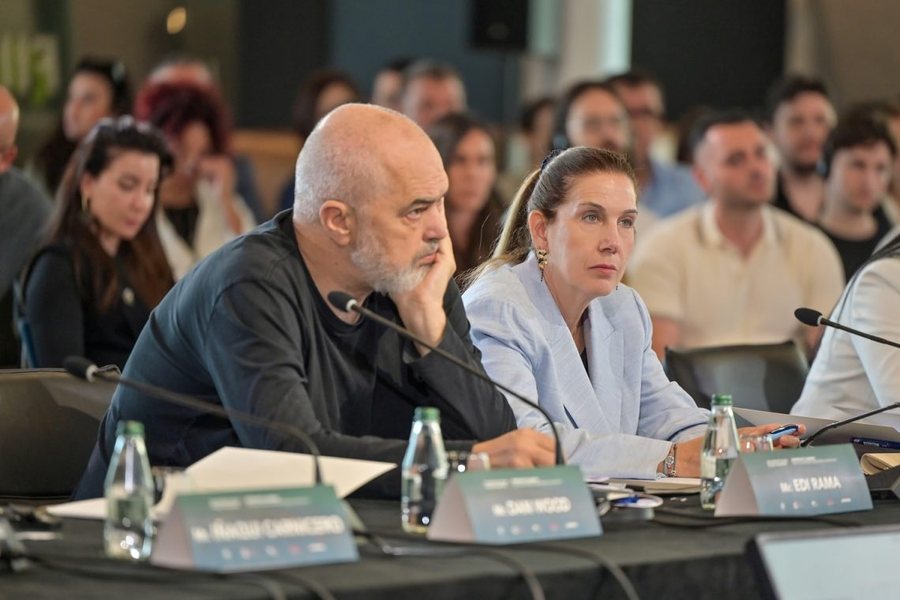
After spending millions of euros on corrupt incinerator projects, the Rama government returned to waste management by promising a reform to align with European Union legislation, but experts are skeptical, as similar plans have failed before.
Prime Minister Edi Rama and Minister of Environment Mirela Kumbaro presented on Thursday a new reform for integrated waste management, which provides, among other things, for two new laws, the creation of a public company, and investments for the construction of new landfills.
In his speech, the prime minister said that the changes were part of the effort for Albania's membership in the European Union and insisted that this was the most difficult part.
" This is the most challenging chapter of the negotiations and this is the most challenging aspect of our membership in the European Union ," said Rama, referring to Directive 27 on the Environment.
After a decade of failed investments worth hundreds of millions in incineration, Minister Kumbaro put the emphasis on recycling. She explained that two new laws would enable the establishment of the National Waste Treatment Operator, a public company that would manage waste at the national level, increase punitive measures against polluters, and oblige manufacturing and importing companies to trace their waste to recycling.
The promise of a new waste management reform comes after the Rama government and local governments spent over 100 million euros on the construction and operation of three incinerators, a project that has turned into a massive corruption affair with serious criminal and environmental consequences in the country.
For environmental experts, nothing new is expected from the proposed reform.
" In my view, it's just a 'déjà vu '," says Rodion Gjoka, an environmental and climate expert.
" …This may be the seventh time we change the facade under the motto Reform, but the smell of burning plastic continues to sour the throats of residents in Vlora, Elbasan and elsewhere ," he added.
Gjoka emphasizes that Albania today offers the lowest transparency and the highest level of abuse with environmental procurement, so such initiatives may impress Brussels bureaucrats, but cannot offer solutions for citizens.
" The foundation of waste management is the 3Rs: Reduce, Reuse, Recycle. We do not have these foundations, so what we are reforming resembles a sandcastle, which the next wave brings to the same level as the sea ," he emphasized.
Olsi Nika, head of Eco Albania, also says that the government had a similar strategy in place, but made decisions against it and approved the burning.
“Strategjia njësoj ishte, por në një vendimmarrje kundër strategjisë ndërtuan inceneratorët. Duan të bëjnë një shoë më shumë dhe premtojnë riciklimin,” tha Nika për BIRN.
Propozimet pa inceneratorët
Menaxhimi i mbetjeve urbane është një kompetencë e pushtetit lokal në Shqipëri, por kapacitetet e tyre logjistike dhe financiare vlerësohen si minimale. Në këto kushte, Rama dhe Kumbaro theksuan të enjten se krijimi i një kompanie të re publike do t’i jepte zgjidhje situatës së mbetjeve.
“Bashkitë e vogla që shpesh herë janë edhe më turistiket nuk kanë këllqe”, tha Kumbaro, duke iu referuar nevojës sipas saj për krijimin e kompanisë publike.
Përveç ngritjes së Operatorit Kombëtar të Trajtimit të Mbetjeve, i cili do t’i ketë bashkitë klientë të tij, qeveria premton investime në ndërtimin apo zgjerimin e landfilleve të reja apo ekzistuese në dhjetëvjeçarin që vjen.
Landfillet në Fier dhe Elbasan, ku për shkak të dështimit të incenerimit nuk ka më kapacitete, do të zgjerohen. Po ashtu do të zgjerohen landfillet në Korçë, Bushat dhe Bajkal. Tre landfille të reja janë propozuar në Kukës, Dibër dhe Berat, ndërsa janë propozuar një sërë pikash për përpunimin e mbetjeve dhe kompostimin e mbetjeve organike. Reforma parashikon edhe mbylljen brenda dekadës të 67 venddepozitimeve të paligjshme.
“Po nuk i dhamë përparësi këtij sektori [riciklimit] nuk do t’i plotësojmë këto kritere. Po nuk e futëm si prioritet hierarkinë e mbetjeve nga ndarja në burim te asgjësimi, ne nuk do ja arrijmë”, deklaroi Kumbaro.
Olsi Nika i tha BIRN se rikthimi i vëmendjes te riciklimi ishte i mirëpritur, por kjo kërkonte një investim serioz në gjithë infrastrukturën e trajtimit të mbetjeve.
“Riciklimi është kyçi këtu, por kërkon investim serioz, që nga koshi te kontejneri, te lagjja, te makina teknologjike,” tha ai, ndërsa shtoi se riciklimi funksionon vetëm me incentivë ekonomike.
Nika megjithatë e sheh pozitive menaxhimin e mbetjeve nga një kompani kombëtare, pasi thotë se bashkitë qartësisht nuk kanë kapacitete. Ai vë në dukje se ndërsa ka modele të dështuara si inceneratorët në Fier e Elbasan, ka modele të mira si menaxhimi rajonal në Korçë që ka funksionuar.
Edhe eksperti i mjedisit, Lavdosh Feruni e sheh pozitiv krijimin e kompanisë publike, por thotë se ndërhyrja duhet të jetë urgjente dhe ndryshimi të pasqyrohet në buxhet.
“Nëse nuk realizohet në një kohë të shpejtë realisht ndarja në burim e mbetjeve, si fillim, siç ka qenë ligji në 2011…, kalimi i trajtimit nga vendor në operator kombëtar nuk do të ndryshojë asgjë nga situata aktuale,” paralajmëroi Feruni përmes një postimi në Facebook.
Për deputeten e opozitës, Jorida Tabaku, reforma e propozuar është një spektakël. Ajo thotë se zgjidhjet e propozuara në këtë reformë kanë qenë gati që para 12 viteve, por u anashkaluan nga qeveria.
"Not a word about the €430 million incinerator contracts. Not a word about 12 years of deception that Albania was supposedly cleansed," Tabaku wrote on the X platform.
"But the government chose the incinerators, defended them publicly, politically, and today continues to pay for them from Albanian taxes. The more beautiful the power point, the dirtier Albania becomes!" she added.
Expert Rodion Gjoka emphasizes that in order to fulfill the obligations arising from Directive 27 of the European Union, Albanians must be prepared to pay multiple taxes for waste treatment.
“If this directive is implemented correctly, it will cost every citizen in the country an average of 300-380 euros per year, an amount that will certainly be collected from taxation on public services,” Gjoka points out. “In other words, 7-8 times more than they currently pay,” he concluded. / BIRN


Lini një Përgjigje