


 Shkruar nga Pamfleti
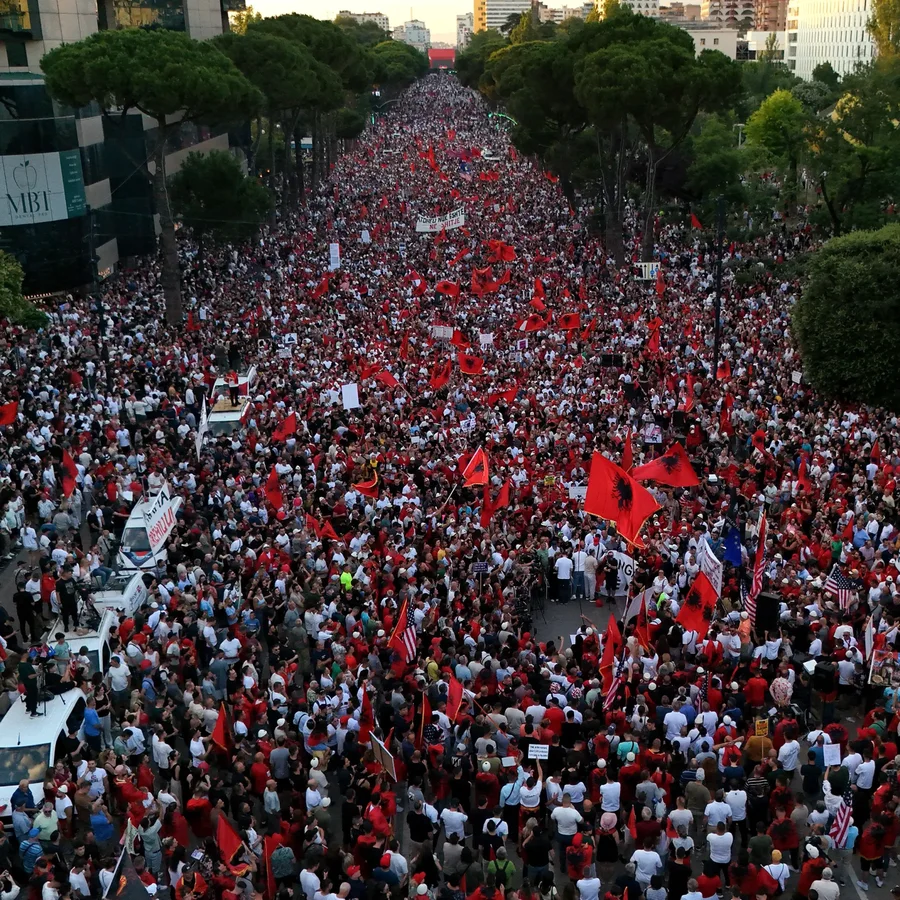
What began as an environmental protest in Albania has transformed into a broader civic mobilization, highlighting deeper issues related to trust in institutions, government accountability, the fight against corruption, and the future model of the country's social and political development.
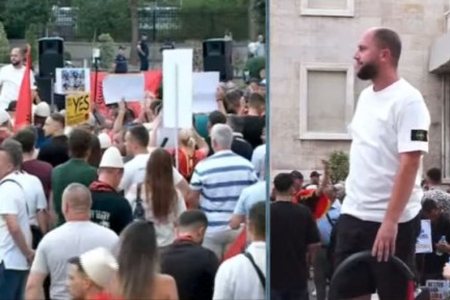
When a group of residents, environmental activists, and civil society representatives gathered at the end of May to oppose construction works in Zvërnec and Pishe Poro, few could have predicted that the initial protests would turn into one of the most important civic mobilizations in Albania in recent years.
Recent developments indicate that the country may be entering a new phase of citizen political engagement, with potentially long-term consequences for political stability, the functioning of institutions, and the relationship between the state and society.
According to organizers and some Albanian media, the recent protests in Tirana have gathered between 150,000-250,000 protesters, while the British newspaper The Guardian has estimated the participation at around 150,000 citizens.
Although assessments vary, the scale of the protests is undeniable: it is one of the largest civic mobilizations in contemporary Albania and an indication that society's ability to organize is growing, while dissatisfaction has long surpassed the initial demands for environmental protection.
The growing dissatisfaction of a part of public opinion is no longer directed only at certain government decisions. It is now affecting broader issues such as transparency, accountability, and the quality of governance.
The protests take place in a context of long-standing challenges related to the rule of law, the risk of corruption and the decline of citizens' trust in institutions. The possible links between criminal structures, political influence and vulnerabilities stemming from corruption have been addressed in a number of international analyses and studies, particularly in assessments of the scale of illicit financial flows and threats to institutional stability.
Reports by the European Commission, GRECO, the Global Initiative Against Transnational Organized Crime and UNODC highlight the challenges related to organized crime, the risk of corruption, money laundering and the need to further strengthen the institutions of the rule of law.
These issues constitute an important part of the broader debate on the quality of governance, democratic consolidation, and Albania's European integration process.
Në këtë kontekst, një pjesë e opinionit publik po e lidh gjithnjë e më shumë luftën kundër korrupsionit dhe përgjegjshmërinë institucionale me procesin e anëtarësimit të Shqipërisë në Bashkimin Evropian, duke kërkuar mekanizma më të fortë mbikëqyrjeje, institucione më të pavarura dhe transparencë më të madhe në rrugën drejt anëtarësimit në BE.
Këto kërkesa pasqyrojnë shqetësimin e gjerë publik për mënyrën se si qeveriset vendi dhe për aftësinë e institucioneve për t’iu përgjigjur sfidave shoqërore dhe zhvillimore.
Mobilizimi qytetar në Shqipëri hyn në një fazë të re
Një nga katalizatorët kryesorë të protestave aktuale, është projekti i propozuar për zhvillimin turistik të ishullit të Sazanit dhe zonës bregdetare përballë tij, pranë Lagunës së Nartës dhe Zvërnecit.
Projekti, i lidhur me Jared Kushner, është paraqitur si një investim strategjik në turizmin elitar, që parashikon ndërtimin e resorteve, vilave, marinave dhe infrastrukturës përkatëse përgjatë bregdetit shqiptar.
Qeveria shqiptare e konsideron këtë projekt si një mundësi për të përshpejtuar rritjen ekonomike, ndërsa kritikët paralajmërojnë se ai mund të rrezikojë një nga zonat më të ndjeshme mjedisore të vendit.
Laguna e Nartës dhe ekosistemet ligatinore përreth, kanë rëndësi të jashtëzakonshme për biodiversitetin, pasi përbëjnë habitat për shumë specie të mbrojtura, përfshirë flamingot, pelikanët, breshkat e detit dhe shpendët shtegtarë.
Organizatat mjedisore paralajmërojnë se zhvillimi i pakontrolluar mund të dëmtojë në mënyrë të pakthyeshme ekuilibrin ekologjik të kësaj zone. Flamingoja rozë është shndërruar në simbolin më të dallueshëm të rezistencës mjedisore, duke zënë vend qendror në pankarta, rrjetet sociale dhe fushatat publike.
Ajo simbolizon njëkohësisht mbrojtjen e natyrës dhe kundërshtimin ndaj një modeli zhvillimi që, sipas protestuesve, vendos interesat afatshkurtra të investimeve përpara interesit publik.
Në këtë kuptim, flamingoja e ka tejkaluar simbolikën e mbrojtjes së mjedisit dhe është kthyer në një emblemë të rezistencës qytetare, duke kujtuar simbolikën e pemës gjatë protestave të Parkut Gezi në Turqi ose të Luginës së Valbonës gjatë protestave të mëparshme mjedisore në Shqipëri.
Kështu, ekologjia është bërë pika hyrëse për të kuptuar krizën më të gjerë shoqërore, institucionale dhe politike në Shqipëri, duke lidhur mbrojtjen e natyrës me përgjegjshmërinë e qeverisë, transparencën dhe cilësinë e qeverisjes.
Përfshirja aktive e diasporës shqiptare nga Gjermania, Britania, Franca, Austria dhe vende të tjera evropiane shton një dimension të qartë politik. Prania e tyre sugjeron se pakënaqësia publike kapërcen ndarjet e brendshme politike dhe po kthehet në një kërkesë më të gjerë për një mënyrë ndryshe të qeverisjes së shtetit.
Protestuesit nuk po sfidojnë më vetëm projekte individuale apo vendime qeveritare.
Ata po shprehin gjithnjë e më shumë kërkesa për reforma më të appreciation shoqërore, transparencë më të madhe dhe llogaridhënie më të fortë nga strukturat politike.
The current protests are therefore an indicator of a growing crisis of confidence in the Socialist Party government of Prime Minister Edi Rama and could become a potential turning point in retesting the relationship between the state, its citizens, and Albania's development priorities.
Although it is still too early to determine whether the protests will bring about concrete political change, their duration, intensity, and diaspora support suggest that they are not simply a passing expression of discontent, but a manifestation of deeper social processes.
These processes could give life to new forms of civic political organization and significantly influence the future political trajectory of Albania. The central question remains whether this mobilization will be institutionalized through a long-term social and political movement or will remain limited to a wave of protest./ Adapted from "Pamphlet", by "IFIMES"




Lini një Përgjigje