


 Shkruar nga Pamfleti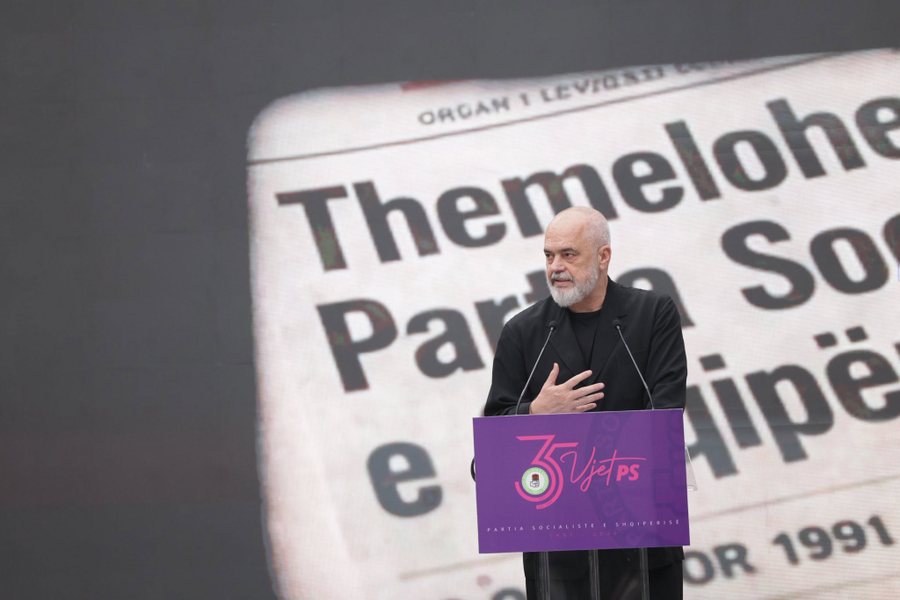
According to communications experts, Prime Minister Edi Rama has resorted to the old propaganda manual to respond to the protest, aiming to shift attention from the facts and create fog and confusion about the protesters and their goals.
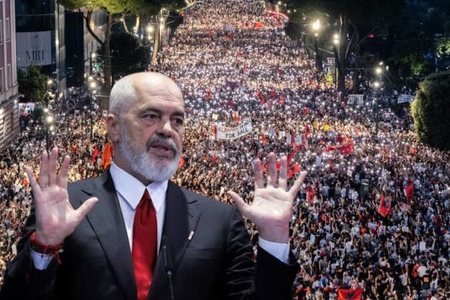
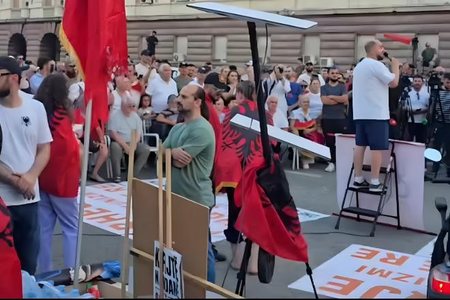
Since May 31, thousands of protesters have gathered every night below the prime minister's office on "Dëshmorët e Kombit" boulevard in Tirana and chanted in chorus: "Rama, resign."
The protest was sparked by the violent episode that occurred in Zvërnec on May 30, where a protester was dragged by private guards inside a barbed wire fence in the protected area where a residential complex linked to the US president's son-in-law, Jared Kushner, is planned to be built, but quickly turned into an anti-establishment movement.
For three weeks, the movement now known as the "Flamingo Revolution" has been demanding not only the resignation of the prime minister, but also the cancellation of the 2024 project and legal changes for protected areas, as well as the change of the old political class dominated by the Rama-Berisha duo.
Prime Minister Edi Rama has consistently downplayed popular disillusionment with his government, trying to find “external” and “internal” enemies to incite the protests – from hostile states like Iran to local influencers. In a lengthy speech before the Socialist Party parliamentary group on Saturday, Rama explained the popular revolt by what he called the “algorithm proletariat,” while ruling out any possibility of his possible resignation.
Communications experts explain Rama's behavior towards the marathon protest with the well-known propaganda manual, which aims to evade the facts and delegitimize the protest actors.
According to Communication Sciences lecturer Artan Fuga, this is not a random choice.
" The Prime Minister and every government or every power in cases of social crises and political tensions, such as protests, is obliged to communicate and communicates in two dimensions: the political, rational dimension, where it enters into the content of the issue with arguments and dialogue, and the dimension of public relations and propaganda tools, not based on content and dialogue ," explained Fuga, emphasizing that Rama chose the latter.
Fuga explains the reasons for this communication strategy with the unpredictable situation, the political culture, and the prime minister's need to deny facts that are obvious.
" The unexpected protest broke the myth that he had everything in control, and when something comes unexpectedly, it's much easier to use propaganda techniques, because each rationalization justifies the other ," he emphasized.
Edhe gazetari Lutfi Dervishi e vendos theksin te ndryshimi dramatik i retorikës së kryeministrit, që sipas tij, synon që të ndikojë “mbështetësit e qeverisë, të pavendosurit dhe administratën”.
“Kemi një zhvendosje tipike te debatit nga ‘çfarë po thuhet’ te ‘kush po e thotë,” tha Dervishi, ndërsa shtoi se kur fokusi kalon nga shqetësimet e ngritura te identiteti, motivet apo lidhjet e protestuesve, vëmendja largohet nga thelbi i pakënaqësisë dhe përqendrohet te legjitimiteti i bartësve të saj.
Kjo, sipas tij, “është një strategji e njohur që synon të fragmentojë mbështetjen publike për protestën dhe të mbjellë dyshime mbi përfaqësueshmërinë e saj”.
Sipas profesor Fugës, kryeministri përdori të paktën tre elementë teknikë të propagandës që synonin zhvendosjen e vëmendjes nga thelbi i protestës; elementë që ai i përmbledh në mohimin e realitetit; karikaturizimin e protestës dhe reduktimin e saj – siç e quan ai “pelikanizimin”.
Propaganda gjithashtu u përdor si mënyrë për të mohuar faktet.
“S’mund të thuash s’ka projekt kur atje kanë filluar punimet…,” shton më tej Fuga.
Ndërsa pretendimet për përdorimin e ‘komploteve’ të jashtme e të brendshme lidhen, sipas profesor Fugës, me tentativën për të kërkuar mbështetje ndërkombëtare.
“Duke thënë pra se nëse në botë ka ekstremizma kundër Izraelit, apo kundër botës së financave, kjo po më ndodh mua sot. Dhe ai u viktimizua, e kërkoi si aleancë sikur po goditet familja Trump,” theksoi ai.
Përpjekja për polarizim
Në refuzimin për të reflektuar ndaj kërkesave të protestuesve, kryeministri Edi Rama shpesh përdor si mbrojtje 83 mandatet dhe ‘shumicën e shqiptarëve’ që e mbështesin atë dhe vizionin e tij për projektet turistike në bregdet. Në anën tjetër, ai përdor metodën klasike të komunikimit publik, duke mos folur për mesazhin, por për mesazhierin.
Kjo sipas Adri Nurellarit, ekspert i komunikimit politik, nuk është një metodë e re në politikën shqiptare.
“Sot repertori ka ndryshuar, por logjika mbetet e njëjtë. Në vend të çadrave me thika kemi ‘agjentë rusë’, ‘iranianë’, ‘serbë’, ‘grekë’, ‘marksistë’, ‘antiamerikanë’, ‘antisemitë’, ‘antibiznes’ dhe çdo etiketë tjetër që mund të shërbejë për të zhvendosur vëmendjen nga çështjet e ngritura,” tha Nurellari.
Sipas tij, ky diskurs kërkon të zhvendosë energjinë e debatit nga temat e korrupsionit, kriminalizimit, kapjes së shtetit, shkatërrimit të trashëgimisë,emigrimit, apo problemet e tjera të ngritura nga protestuesit tek pyetja “Kush janë këta?” dhe jo “A kanë të drejtë?”.
“Nga ana psikologjike, qëllimi kryesor nuk është domosdoshmërisht të bindësh shumicën e qytetarëve se protestuesit janë vërtet agjentë të huaj apo ekstremistë. Mjafton të krijosh mjegull, dyshim dhe konfuzion,” shtoi më tej ai.
Një element tjetër interesant i këtij manuali komunikimi, sipas tij, është dhe anti-mitingu për të zhvendosur mesazhin ‘a ka të drejtë protesta’ tek ‘në cilin kamp je?’.
" This is how the narrative of two Albanias is created: our Albania against their Albania, progressives against reactionaries, the majority against the minority, " says Nurellari, assessing that this is a classic polarization technique, because the more the debate develops as a clash of identities, the less is talked about the concrete issues that have produced the dissatisfaction.
While Nurellari believes that Rama is aiming to polarize society with his narrative, Fuga and Dervishi differ in their analysis.
For Lutfi Dervishi, this strategy followed by Rama has its limits in the face of a protest that continues and grows larger.
" If the protest were small, vague, or dependent on a few public figures, attacks on individuals could be effective, but when we are dealing with a broad movement, without a clear leader and with diverse participation, personal attacks often do not solve the problem perceived by the public; on the contrary, they can reinforce the belief that the government is dealing with the messenger and not the news ," he says.
The paradox, according to Dervishi, is that the longer a protest lasts without incidents and with consistent participation, the less effective the labels become, returning the debate to where it began: to the reasons for the protest, not to the identity of the protesters.
Meanwhile, Fuga says that the prime minister's propaganda narrative has given him several points, related to keeping the protest on an emotional level, neutralizing criticism of him, and maintaining a connection with his electorate.
"It is easier to maintain unity with the electorate by appealing to body language and propaganda, rather than the language of reasoning to provide arguments, which are often strained," he concluded. / BIRN


Lini një Përgjigje