


 Shkruar nga Françeska Salvatore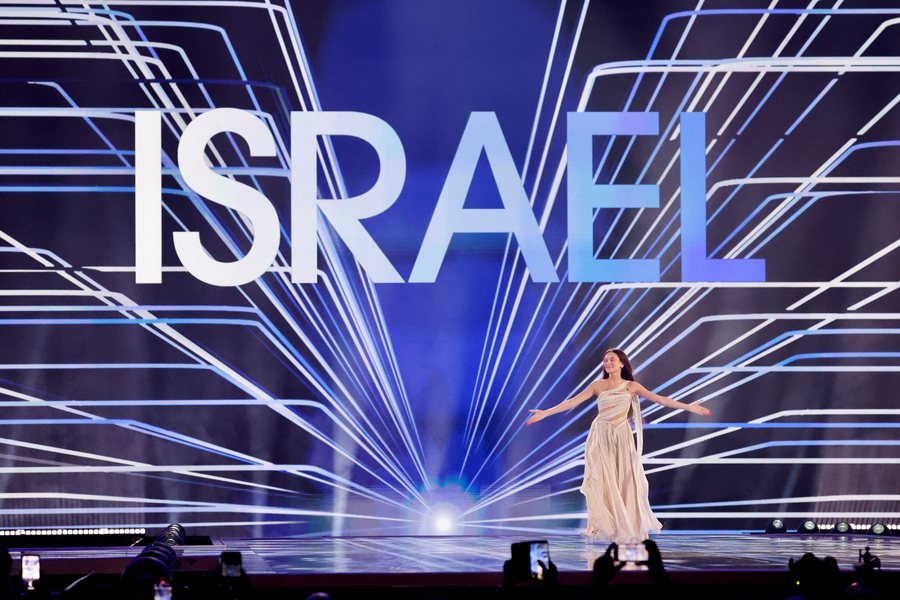
How did Eurovision go from a song festival to a festival where world politics are played?
Who would have thought in 1974, when Abba stole hearts with the tune of "Waterloo", how powerful Eurovision could become fifty years later.
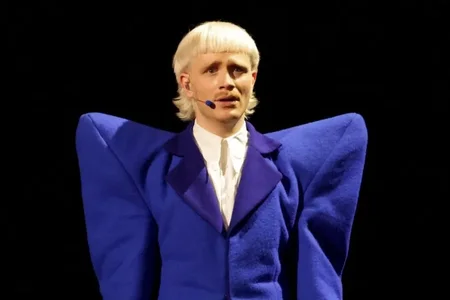
One of the most watched singing events in the world, which fell into obscurity between the 1990s and 2000s, regained its strength about ten years ago, when Conchita Wurst appeared, surprising people all over Europe. Since then, the event has become very popular among young people, crowning numerous international hits.
But what has changed the history of this event, often animated by grotesque world music bands, is its transformation into a geopolitical festival, where the songs never say what they really say; where - despite strict regulations - tensions between states and international politics still enter.
Prohibited topics, the length of performances, the number of people on stage, restrictions on flags and symbols, as the world boils over. And then there is the mechanism - very refined - of televoting: no one, from his home, can vote for the singer representing his nationality. Thus, in this imposed fraternization mechanism, atavistic rivalries occur between countries that will never vote for each other. We also have confirmations of several decades of friendship between partner countries.
A show which, therefore, is everything but music. The group "Kalush", a Ukrainian hip-pop group, which won two years ago with the song "Stefania", knows this well. A song that "apparently" represented an ode to mothers, sources of love and courage, without any reference to the war that broke out a few months ago. However, from the prestigious stage of Turin, the six performers with their simple presence sent a powerful message: it is no coincidence that, contrary to the rules of the game, the leader of the band at the end of one of the shows shouted loudly and clearly to the audience: " Please help Ukraine, Mariupol, help Azovstal now!
Eurovision 2024
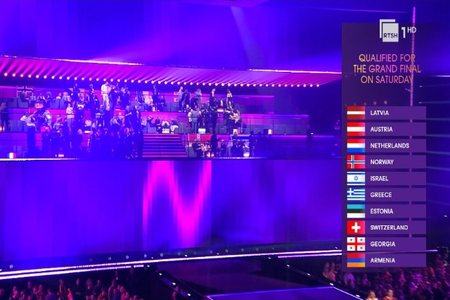
And here we are in 2024. Never could this festival be more subtle. In fact, this year's eyes are elsewhere. On the one hand, the crisis in the Middle East, which ranges from the clash between Iran and Israel to the humanitarian crisis in Gaza, passing through the terrorists of Hamas; on the other hand, the two years of war between Russia and Ukraine. Thirty-seven competing nations, including several non-European nations, including Australia and Israel, but also Armenia and Azerbaijan, territories that are far from ongoing conflicts, but in fact, direct contenders in Nagorno Karabakh's bloody fratricidal war .
But from the beginning the spotlight was on red-haired Eden Golan, the singer who represented Tel Aviv. Twenty-one years old, the daughter of Jewish parents who immigrated to the Soviet Union, she ignited many controversies from the pre-selection stage. Her song "Hurricane" was actually originally titled "October Rain", with a very specific reference to the Hamas attack on Israel on October 7th. Under pressure from the UER (European Broadcasting Union), the title was subsequently modified to conform to the apolitical standards required by the competition. The song is a very refined allegory and tells about a woman who comes out of a personal crisis, who loses herself and rises again. But even before it sparked controversy abroad, the song received a lot of criticism from the Israeli national press, which accused the lyricists of being too timid, without the courage to make meaningful statements.
However, the authors advocated the "Ukrainian" method, i.e. that of conveying deep meaning through a single visible song. A paradoxical mechanism, considering that a good percentage of the songs in the competition already have a political reference covered by funny fig leaves.
But it is in Sweden that things have become more complicated. Swedish squares appeared to be in turmoil for days in anticipation of the singer's arrival, and just yesterday thousands of people gathered to demonstrate against the singer's presence, waving Palestinian flags and chanting anti-Tel Aviv chants. Also from this point of view, the security measures at Malmö Arena have been strengthened and the control over symbols and flags has been increased.
How likely is she to win? Very little, but televoting will be able to give us an important, though not absolute, picture of European sentiment towards Israel. The song, which will end up in oblivion like most of those that cross the Eurovision stage, is actually not the most important issue. Israel's participation itself is a political fact. In fact, he once again links Tel Aviv to the destinies of the West and Europe. /Adapted "Pamphlet" from " Inside Over "


Lini një Përgjigje