


 Shkruar nga Pamfleti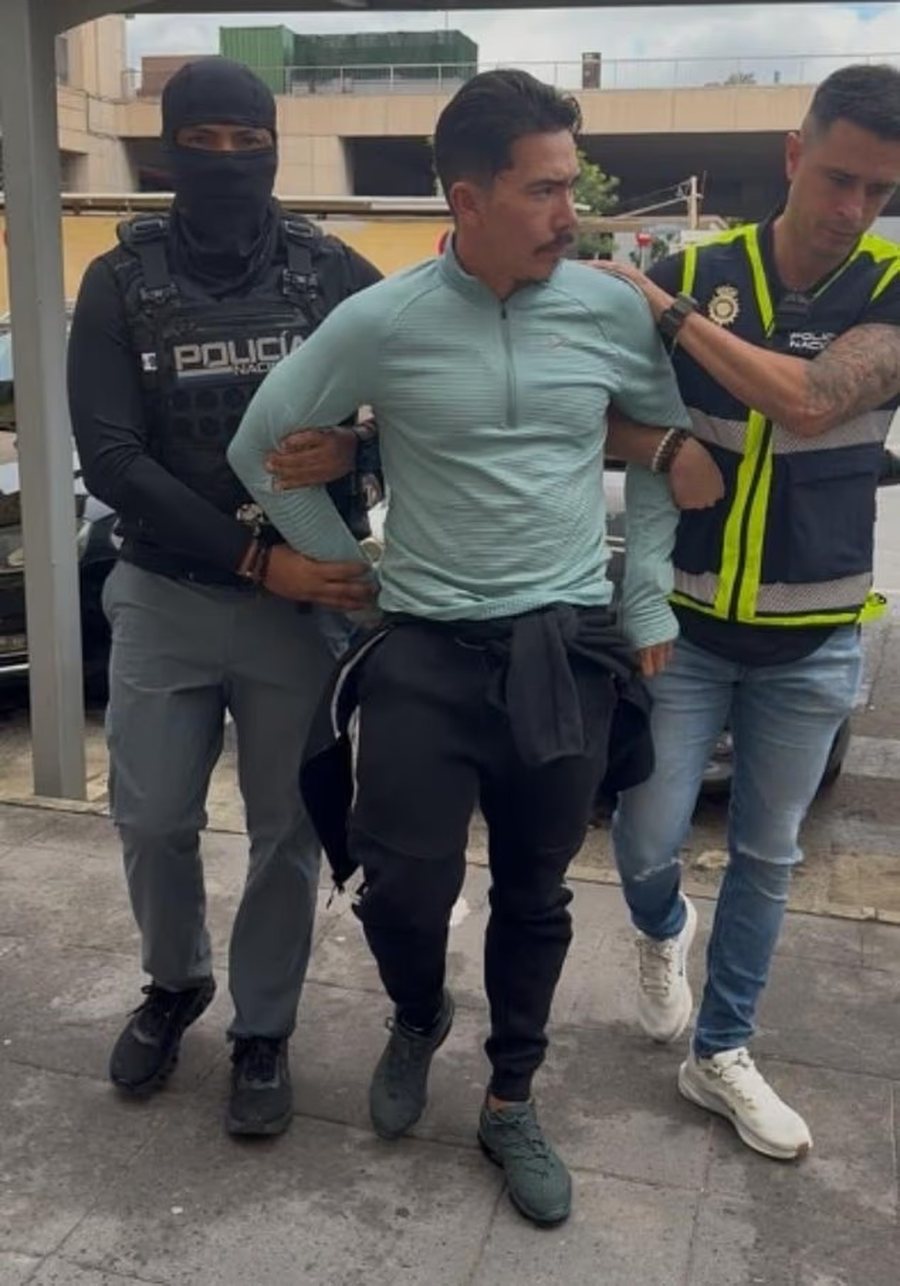
He faked death to cover a bloody trail of destruction, while his ruthless monsters collaborated with Albanian gangs to flood the UK with cocaine.
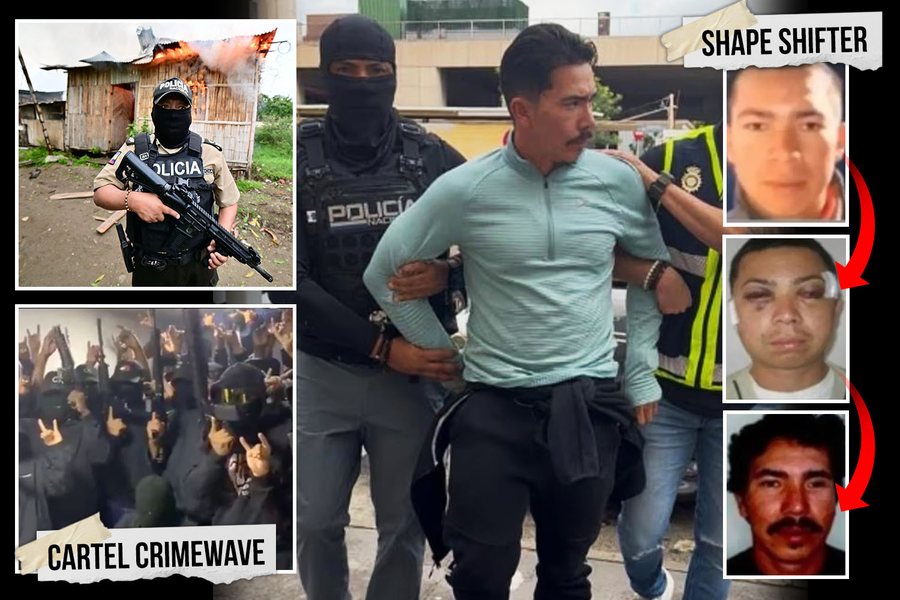
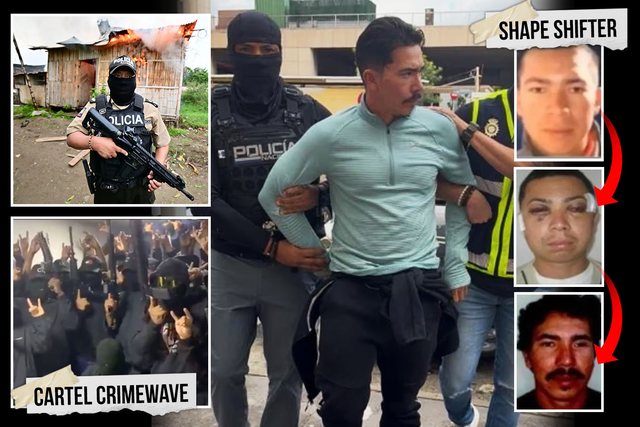
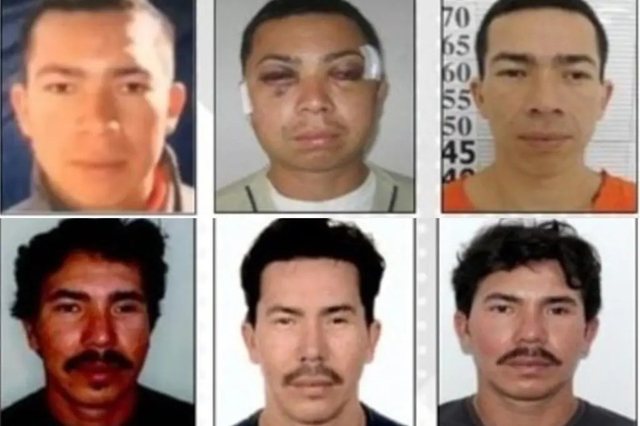
But now, cartel kingpin Wilmer "Pipo" Chavarria, who surprisingly underwent seven surgeries to escape the pursuit of police and law enforcement agencies, has fled his hideout on the Costa del Sol, marking the end of a brutal reign of terror that is suspected of being the cause of over 400 deaths.
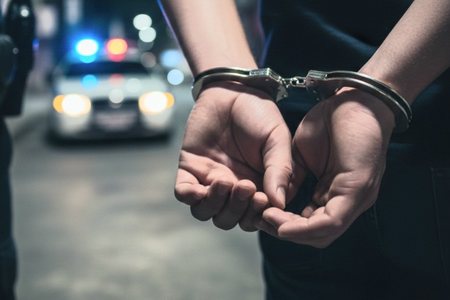
The head of Ecuador's Los Lobos cartel was captured in Malaga, according to Spain's National Police, with officials calling it a "historic day" for the South American country where the gang has caused terror and bloodshed.
Both Ecuador and the US had declared Los Lobos (The Wolves) a terrorist organization responsible for drug smuggling, illegal mining, and hundreds of murders.
The nation was once a relatively peaceful neighbor to major cocaine producers Colombia and Peru, but in recent years warring drug gangs have unleashed an unprecedented wave of violence, drawing inspiration from Mexican cartels with gruesome executions that include hanging victims from bridges.
The Los Lobos gang is estimated to have 8,000 members and is one of Ecuador's most powerful criminal gangs. They are believed to have close links to Albanian factions that transport cocaine to the United Kingdom.
Rita Floyd, professor of International Security and Ethics at the University of Birmingham, says there are several factors that have made Ecuador an ideal place for the proliferation of global drug gangs, not least the collapse of the Colombian guerrilla group FARC, which controlled the regional drug trafficking trade.
"The reasons for the rise in organized crime are complex, but central to this development have been neighboring Colombia's peace negotiations with the FARC rebel group," she explains.
She further states that dissident groups moved to Ecuador, a country that turned out to be ideal for the global drug trade.
"The country has good roads and many ports. It has a dollar economy and also a good presence in the global shipping trade. It exports bananas, through whose crates cocaine is transported everywhere.
"Incidentally, drug gangs are also global. Eastern European criminals operate in Ecuador. So, in effect, the state is being hijacked by international organized crime," she says.
In October last year, Scottish gangster Jamie “Iceman” Stevenson was sentenced to 20 years in prison for his part in a plot to smuggle £100 million worth of cocaine from Ecuador to the UK in banana boxes.
Far from being peaceful, the arrival of gangs means that Ecuador is now one of the most dangerous countries in the world, with a homicide rate of 50 per 100,000 inhabitants.
Meanwhile, Albanians, who dominate the sale of cocaine in Britain, negotiate directly with South American gangs to secure large drug shipments.
Ecuador has become an increasingly attractive producer because its supply there bypasses Colombian ports, which have been under increased scrutiny.
At least 70 percent of the world's cocaine now flows through Ecuadorian ports.
Meanwhile, Britain is the largest market for cocaine in Europe and has the second highest rate of cocaine use in the world. This makes the UK a "home base" for organised crime groups, according to NCA deputy director Charles Yates.
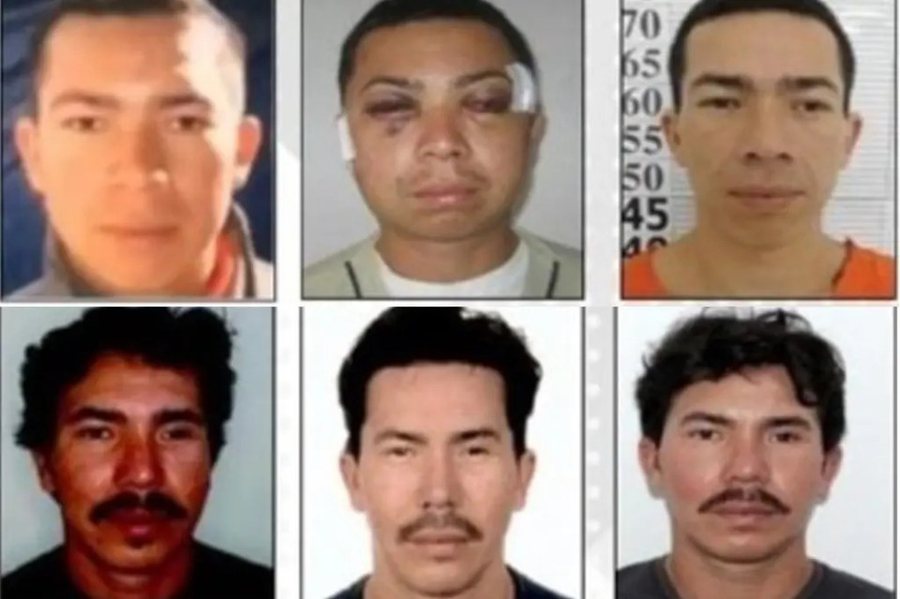
In 2021, the family of Los Lobos leader Wilmer “Pipo” Chavarria claimed he had died of a heart attack due to Covid. But an even more dramatic story would later emerge.
In fact, he had taken on a new identity and fled to Spain, continuing to run his criminal enterprises, including illegal mining and ordering murders.
Writing in X this week, Ecuadorian President Daniel Noboa said that “some considered him dead; we followed him into his hell. That is the difference when there is the will to fight for your country.”
"We have captured the highest value target. Today the mafia retreats. Today Ecuador wins," he said.
Interior Minister John Reimberg said Chavarria was responsible for at least 400 deaths and had managed criminal operations from prison between 2011 and 2019.
Since being sworn into office in 2023, President Noboa has forged ahead with a tough military crackdown on the country's criminal gangs. /Adapted from The Sun/



Lini një Përgjigje