


 Shkruar nga Prof.dr. Skënder Asani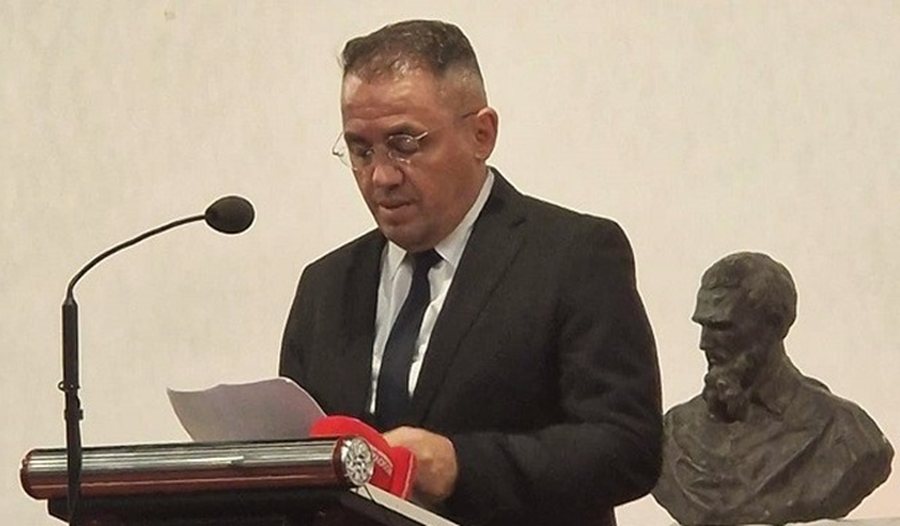
From the perspective of constitutional theory and models of consensual democracy, a multiethnic state cannot rely solely on informal political agreements.
The evolution of political practice over the years proves that there has been a dangerous gap between the declarative norm and the legal guarantee. Consequently, the May Agreement of 2007, which sanctioned the principle that the winning Albanian entity in the Albanian campus should be part of the executive. In legal terms, this agreement remained at the level of a political commitment without translation into a binding legal norm. This fact constitutes one of the greatest strategic weaknesses of the Albanian entities, which failed to institutionalize this principle in the electoral law or in an irreversible constitutional provision.
The signing of the Ohrid Agreement in 2001 constitutes one of the most significant acts of constitutional engineering in the post-conflict Balkans, not only as an instrument for the cessation of an armed conflict, but as a comprehensive project for the reconceptualization of the nature of the unitary state in North Macedonia. It marked a paradigmatic shift from a centralized majoritarian model towards an order with elements of consensual democracy and interethnic co-governance, preserving the institutional integrity of the state, but restructuring it through mechanisms of power-sharing, guaranteed representation and interethnic balances. In this sense, the Ohrid Agreement institutionalized the political equality of Albanians not as an act of tolerance or temporary concession, but as a structural component of the common statehood, recognizing the Albanian community as an irreplaceable factor in the construction, legitimacy and functioning of the constitutional order.
However, the evolution of political practice over the years proves that there has been a dangerous gap between the declarative norm and the legal guarantee. The degradation of the spirit of the Agreement has not come through its formal annulment, but through the gradual relativization of one of its most important principles: the legitimate representation of Albanians in the executive as a reflection of the electoral will of the Albanian political campus. It is precisely the lack of codification of this principle in a legally binding form that has created space for selective interpretation and political manipulation of interethnic balances.
Zgjedhjet parlamentare të vitit 2006 përbëjnë pikënisjen e kësaj dinamike. Vendimi i liderit të atëhershëm të VMRO-DPMNE, Nikolla Gruevski, për të mos përfshirë në qeveri subjektin shqiptar që kishte fituar shumicën e votave në kampusin shqiptar, nuk ishte thjesht një akt taktik koalicioni. Ai përfaqësonte një zhvendosje paradigmatike nga logjika e bashkëqeverisjes konsensuale drejt një koncepti më fleksibël, ku përfaqësimi i shqiptarëve mund të trajtohej si çështje negociate dhe jo si parim i detyrueshëm politik. Edhe pse nuk ekzistonte një dispozitë e qartë ligjore që ta ndalonte këtë veprim, në planin material ai cenonte frymën e arkitekturës së re shtetërore të ndërtuar pas vitit 2001.
Presioni i fortë i bashkësisë ndërkombëtare çoi në arritjen e të ashtuquajturës Marrëveshje e Majit në vitin 2007, e cila sanksiononte parimin që subjekti shqiptar fitues në kampusin shqiptar duhet të ishte pjesë e ekzekutivit. Në aspektin politik, kjo ishte një përpjekje për të rikthyer ekuilibrin e cenuar dhe për të ruajtur stabilitetin ndëretnik. Por në aspektin juridik, kjo marrëveshje mbeti në nivelin e një zotimi politik pa përkthim në normë të detyrueshme ligjore. Ky fakt përbën një nga dobësitë më të mëdha strategjike të subjekteve shqiptare, të cilat nuk arritën ta institucionalizojnë këtë parim në ligjin zgjedhor ose në një dispozitë kushtetuese të pakthyeshme. Si rrjedhojë, ai mbeti i varur nga vullneti i shumicës maqedone dhe nga konfigurimet e ardhshme politike.
Kriza politike e viteve 2016–2017 e thelloi këtë problematikë. Në një kontekst tensioni të lartë institucional dhe nën presion të faktorit ndërkombëtar për stabilizim dhe integrim euro-atlantik, subjekti shqiptar me më shumë vota pranoi të hyjë në ekzekutiv në rrethana që relativizonin parimin e përfaqësimit legjitim. Ky veprim u arsyetua si zgjedhje pragmatike për të shmangur vakuumin institucional, por në planin afatgjatë ai krijoi një precedent të ri: parimi i fituesit shqiptar mund të anashkalohej nëse rrethanat politike e impononin një zgjidhje tjetër. Në këtë mënyrë, norma politike u zhvesh nga karakteri i saj themelor dhe u shndërrua në instrument fleksibël.
Zhvillimet pas zgjedhjeve parlamentare të vitit 2024 e konsoliduan këtë precedent. VMRO-DPMNE, si forcë fituese në kampusin maqedon, e anashkaloi përfundimisht parimin e përfshirjes automatike të fituesit shqiptar në ekzekutiv. Kjo nuk përbënte më devijim të përkohshëm, por institucionalizim të një praktike që kishte filluar të normalizohej ndër vite. Mungesa e bazës ligjore për Marrëveshjen e Majit bëri që ajo të shpërbëhej pa pasoja juridike, duke e zhvendosur çështjen nga sfera e obligimit në atë të kalkulimit politik.
From the perspective of constitutional theory and models of consensual democracy, a multiethnic state cannot rely solely on informal political agreements. Its stability requires irreversible mechanisms that guarantee the participation of the constituent communities in decision-making. Albanian statehood, in this sense, is not a symbolic or rhetorical notion, but translates into real power in the executive and institutional influence at all levels of government. In the absence of a legal guarantee that the winner in the Albanian campus will be an integral part of the executive, political equality remains fragile and vulnerable to electoral cycles.
Restoring the balance requires a clear normative intervention. Albanian political entities, if they intend to restore their state-forming position, should articulate as a strategic priority the adoption of a clear and irreversible provision in the electoral law or in the constitutional order, which guarantees the representation of the Albanian winner in the executive. Such a mechanism would eliminate political ambiguity, strengthen institutional legitimacy and turn equality from a negotiable concept into a binding norm.
If the Ohrid Agreement was the foundation of a common state, then the guarantee of real statehood for Albanians is the condition for the survival of this foundation. Without this guarantee, the risk of institutional degradation will deepen and the public debate will shift towards other alternatives of state regulation. On the contrary, if equality is translated into an irreversible legal norm, the process of constitutional advancement will develop naturally, consolidating a state model that builds stability on inclusion and not on exclusion. A stable state does not see equality as a threat, but as a fundamental condition of its existence.








Lini një Përgjigje