


 Shkruar nga Salvatore Zecchini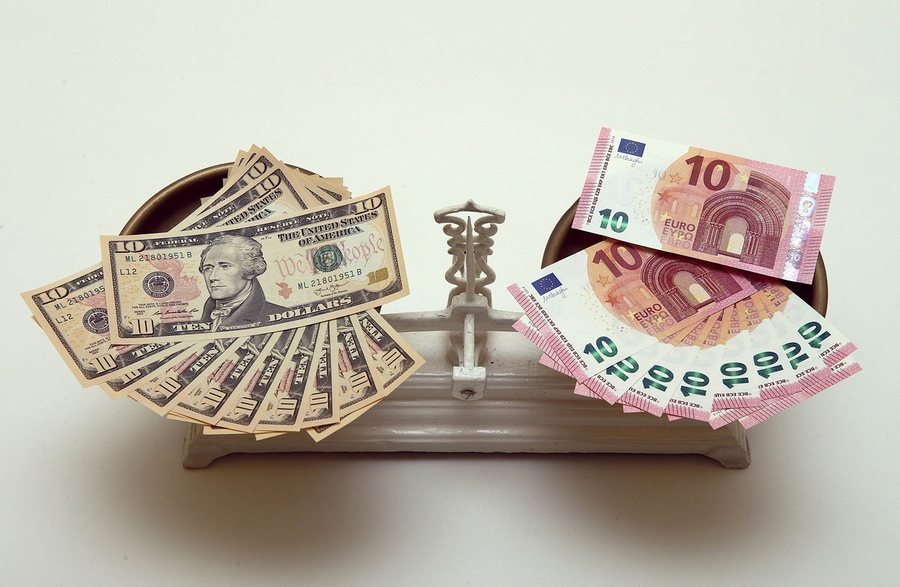
Despite their commitment to a treaty aimed at creating an economic and monetary union, eurozone countries have not achieved the cohesion of purpose that allows them to act as a single entity.
The importance of the dollar on the world stage will probably be negatively affected by the adventurism of President Trump's policies, but the weakening of its role will not lead to a future supremacy of the euro.
In a recent media appearance, the president of the European Central Bank, Christine Lagarde, made a strong statement: this moment of great change is the time when the euro should become the main currency of the world. The current governor of the Bank of Italy is also committed to promoting the global role of the euro. In a speech in January 2024, he explained why it is important to work for the euro to have an international role. The main reference is based on the advantages it brings, which outweigh the implicit costs of maintaining this status.
Among the advantages, the right of seigniorage stands out, which allows access to goods and services only by minting a currency demanded by other countries as an internationally accepted reserve of value. Added to this is the reduction in the costs of monetary operations, compared to the alternative of converting the national currency into the reserve currency. These are accompanied by the “privilege” of being able to finance oneself at a lower cost than that of countries that do not have a reserve currency. Some analyses that focus on the global role of the US dollar estimate that the cost of issuing US Treasury securities has been reduced by between 30-70 percent thanks to the dollar seigniorage.
But the benefits extend beyond the financial sphere, as the country issuing the currency can exercise this privilege to influence relations with others. But to enjoy these benefits, it must accept the variability of capital flows that conditions liquidity in its system, as well as maintain an economic policy oriented towards macroeconomic stability rather than economic growth.
It is generally believed that the benefits outweigh the costs, so it is appropriate to create a currency that is sought after by other countries as part of their reserves of value. The euro has not yet achieved this status, despite having several characteristics that make it a candidate for this role. The share of the euro in central bank portfolios has hovered around 20 percent since 2015 (19.8 percent last year), while the dollar has maintained its dominant role, despite its share falling from 72 percent in 2000 to 58 percent last year.
Moreover, the international role of a currency is measured on the basis of many indicators, and not only in its reserve function, as it can also perform other functions. Thus, it can be used in trade, for international payments, for the issuance of bonds outside the eurozone, for the granting of loans outside the eurozone, for bank deposits in the rest of the world, as well as in foreign exchange operations.
The ECB has built an indicator that integrates the various functions into a single index of incidence in the global system. The result is that the euro, from a maximum of 24 percent reached in 2008, the year of the beginning of the global financial crisis, fell to a minimum of 17 percent in 2016, to recover to around 19 percent in the following years. On this basis, the euro represents the second most important currency in the international system, and its role has not been damaged by the emergence of other currencies. However, competition is a constant in the functioning of these markets, and is based on various factors, in which geopolitical variables and financial innovations also intervene. For example, sanctions against Russia after the start of the war against Ukraine have forced non-participating countries to use alternative monetary and payment networks. China quickly seized this opportunity, creating an interbank payment system (CIPS).
Its example was followed by other developing economies, which have used payment systems in local currencies. These new infrastructures have allowed the Chinese renminbi to account for about 5 percent of the volume in international payments. A new competitor has also emerged with the development of cryptocurrencies, which allow instant payments and at minimal cost. Therefore, to truly take on a leading global role, the euro must meet the criteria that it still lacks.
In terms of assets, it can include a large economy, open capital markets, a strong propensity for international trade, a developed financial industry and external convertibility for both the current and capital accounts of the balance of payments. The eurozone has a relatively high technological level, a significant production capacity and generates significant savings flows that are invested in other economies. Monetary behavior is based on price stability. The public finance deficit of the member countries is lower, in relation to GDP, than that of the US federal budget (89 versus 126 percent), and the principles of the rule of law have long been established. The credibility of its judicial institutions also provides guarantees for the protection of economic rights against state powers. But this group did not seem sufficient in the eyes of non-European operators, to the point of being assigned a role as an important alternative to the dominance of the dollar.
Rënia e peshës së dollarit, nuk shpjegohet me përparimin e euros, por me atë të monedhave dhe rrjeteve alternative të pagesave të vendeve në zhvillim, të udhëhequra nga Kina. Disa faktorë e dobësojnë rëndësinë e euros në sistemin ndërkombëtar të pagesave dhe monedhave. Para së gjithash, vetë fakti që në themelet e euros nuk ka një shtet të vetëm që përfaqëson forcën e saj, por një traktat të thjeshtë. Anëtarët e zonës, mund ta denoncojnë në çdo kohë këtë traktat dhe të tërhiqen, megjithëse me një kosto të lartë për shkak të largimit nga BE-ja.
Pavarësisht angazhimit të tyre ndaj një traktati që synon të krijojë një bashkim ekonomik dhe monetar, vendet e eurozonës nuk kanë arritur kohezionin e qëllimit që u lejon atyre të veprojnë si një entitet i vetëm. Ndaj, ato veprojnë si një grup i madh vendesh, që duhet të arrijnë një konsensus sa herë që janë në rrezik zgjedhje të gjera. Dhe ky konsensus, arrihet shpesh përmes kompromiseve minimale që kufizojnë efektivitetin e veprimit. Po ashtu, ato nuk janë në gjendje të shprehin përmes veprimit të përbashkët një forcë politike dhe ushtarake, me të cilën pjesa tjetër e botës duhet të përballet në kohë krize dhe që vepron si një fortesë për forcën e euros.
Përballë krizave globale ekonomike dhe gjeopolitike, dollari konsiderohet një strehë e sigurt, sepse pas forcës së tij globale qëndron një fuqi ushtarake dhe politike. Kështu ndodhi me paundin britanik në shekullin XIX dhe dollarin në shekullin XX.
Në fushën ekonomike, zona e euros shkëlqen sa i përket stabilitetit makroekonomik, por që nga hedhja në treg e euros, ajo ka mbetur prapa SHBA-së, Kinës dhe ekonomive të tjera aziatike në rritjen e të ardhurave kombëtare. Me ritmin aktual të zgjerimit prej rreth vetëm 1 për qind në vit, duket se ajo ka hyrë në një fazë të zgjatur stanjacioni. Kontribuesit kryesorë janë rënia demografike dhe plakja e popullsisë, e kombinuar me progresin e ngadaltë të produktivitetit për punonjës. Tendenca për të mbirregulluar aktivitetet ekonomike, së bashku me ndërhyrjen e tepërt të burokracisë, tentojnë që të pengojnë frymën e iniciativës sipërmarrëse, duke sjellë vonimin e hyrjes në treg të kompanive të reja.
But the euro's greatest weakness is the lack of integration of national financial markets into a single structure, governed by the same rules, open to investors and businesses from inside and outside the group of member countries.
Financial fragmentation deprives the euro of the pillar of a capital market that has the same breadth, depth, liquidity and stability as the American one. Another obstacle to financial integration is the complete lack of a Banking Union.
For all these reasons, the importance of the dollar on the world stage will probably be negatively affected by the adventurism of the American president's policies, but the fading of its role will not lead to a superiority of the euro in the future. / Adapted from "Pamphlet" by "Formiche"






Lini një Përgjigje