


 Shkruar nga Pamfleti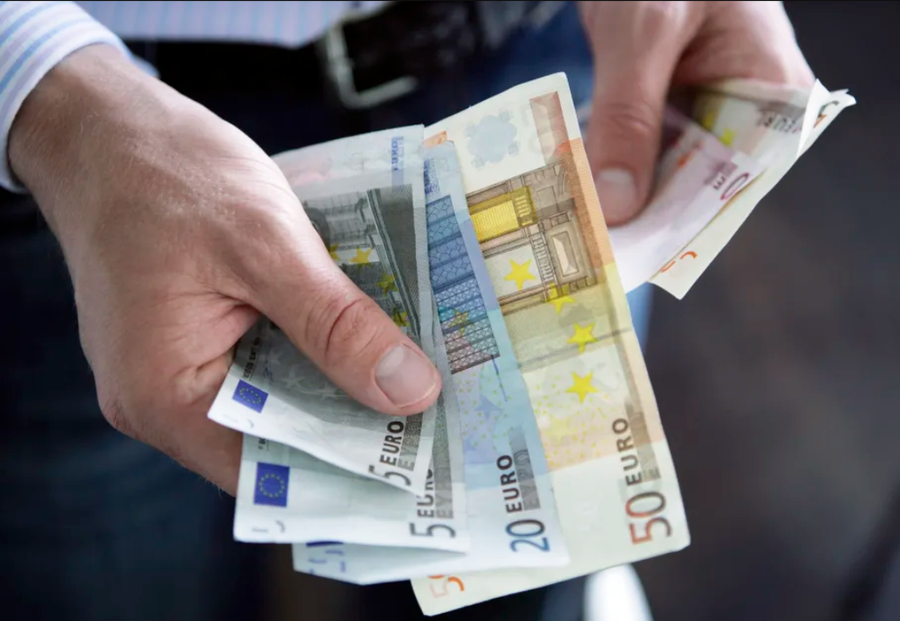
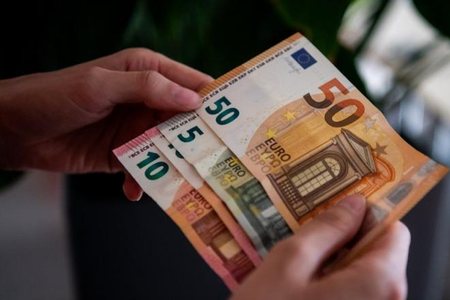
The minimum wage continues to be a critical issue for millions of workers in Europe. According to a Euronews analysis, covering data from Eurostat, around 12.8 million workers in 22 European Union countries earn the minimum wage or less.
However, not everyone has benefited from the new year's increases. A third of minimum wage workers saw no change in their income level compared to July 2025, and in four countries there was no increase at all last year.
When comparing nominal wages, the differences between countries are large. In the EU, the gross minimum wage ranges from 620 euros in Bulgaria to 2,704 euros in Luxembourg. The group of countries with the highest wages also includes Ireland (2,391 euros), Germany (2,343 euros), the Netherlands (2,295 euros) and Belgium (2,112 euros). France stands at 1,823 euros, while Spain at 1,381 euros.
Many Eastern European countries and candidate countries have minimum wages below 1,000 euros. For example, Albania has 517 euros, Turkey 654 euros, Romania 795 euros and Hungary 838 euros. Ukraine and Moldova are even lower at 173 and 319 euros.
However, when wages are compared in purchasing power parity (PPP) terms, the gap between countries narrows significantly. This method measures the real value of money based on the cost of living, showing that some eastern countries have a higher purchasing power than some western countries. For example, Romania rises from 20th to 12th place, while North Macedonia rises from 26th to 20th.
In contrast, some countries with high nominal wages, such as the Czech Republic and Estonia, fall in the rankings when purchasing power is taken into account.
Economists explain that minimum wages are closely linked to the level of productivity and the bargaining power of workers. More developed industrial and technological economies tend to offer higher wages, while countries with weaker sectors or less active unions see slower growth.
The highest increases between July 2025 and January 2026 were recorded in Bulgaria, Hungary, Lithuania and Slovakia, each with over 11% growth, while Belgium, Estonia, Greece, Spain, Luxembourg and Slovenia did not change at all.


Lini një Përgjigje