


 Shkruar nga Pamfleti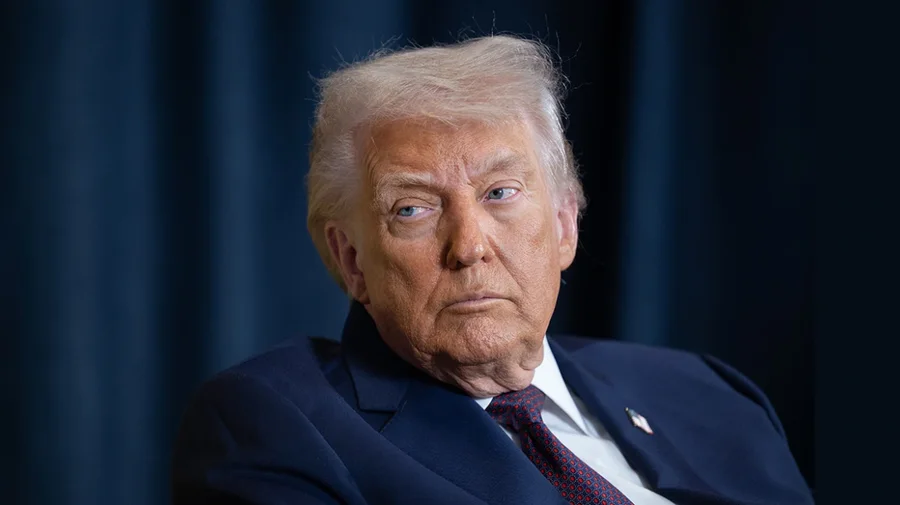
Oman has been at the center of an unwelcome diplomatic spat in recent days as the standoff between the United States and Iran over the Middle East conflict continues. Last week, Trump publicly warned Muscat, which has maintained a neutral stance during more than three months of war, to “behave properly” or face the consequences of American might.
"These are international waters and Oman will behave like everyone else or we will have to bomb them. They know this and they will adapt," the US president said, following a US intelligence report that Muscat was planning to join Iran in imposing tariffs on ships passing through the strategic Strait of Hormuz. US Treasury Secretary Scott Bessent also threatened the sultanate with sanctions if it imposed tariffs on ships. He later said that Oman's ambassador to Washington, Talal Alrahbi, had assured him that the country had "no plans to impose tariffs".
For its part, Oman has consistently denied any involvement in Iranian plans to control the Strait of Hormuz. However, Trump's threats exposed the latent tension in relations between Washington and Muscat, due to Oman's neutral stance and its close ties to Tehran.
Oman's "neutral" stance
With the outbreak of war in the Middle East, Omani officials rushed to establish a communication channel with Iran, which, according to a Wall Street Journal article, contributed to the reopening of air corridors for Gulf countries.
This diplomatic initiative was made possible by the sultanate's long-standing neutrality. Throughout the war, Muscat tried to maintain a balance between the United States, a long-time ally, and Iran, its powerful neighbor across the Strait of Hormuz.
This strategy aimed to preserve the conditions for a future peace agreement.
Growing pressure from Washington
According to American and Arab officials, the Trump administration began to view Oman's neutrality as a hostile stance toward American interests.
According to reports, Washington is now pressuring Muscat to choose a side and limit or even sever his diplomatic relations with Iran.
Oman's Ministry of Information declined to comment on reports of American pressure, while Minister Abdullah Al Harasi sufficed by stating that "Oman remains ready to cooperate with the United States and any responsible partner to promote stability and protect common strategic interests."
A difficult diplomatic dilemma
Relations between Oman and the United States date back almost two centuries, making the sultanate one of Washington's oldest partners in the Persian Gulf.
At the same time, its relations with Iran are also very ancient. Unlike most of their Sunni neighbors, Omanis mainly follow the Ibadi doctrine, a distinct school of Islam known for its moderation and tolerance.
Close relations with both sides have enabled Oman to play a crucial role in the negotiations that led to the end of the Iran-Iraq War in the 1980s, as well as in the secret talks between the Obama administration and Tehran that resulted in the agreement on the Iranian nuclear program in 2015.
Oman also hosted the first rounds of recent talks between the US and Iran on their nuclear program, which were interrupted due to Israeli and American attacks.
What changed in relations with Washington?
According to US officials, the Trump administration's suspicions peaked when Omani Foreign Minister Badr Albusaidi appeared on a US television network the day before the first US-Israeli strikes and declared that a nuclear deal between Washington and Tehran was "very close".
According to the same sources, the United States assessed that there was no substantial proposal from Iran that justified such optimism.
Since then, the Trump administration has reportedly been trying to sideline Muscat from any diplomatic process related to the crisis.
Despite public threats, US officials maintain that there are no real plans for military action against Oman.
Diplomatic isolation
American criticism highlighted another problem for the sultanate: its limited influence in Washington's decision-making centers.
Unlike countries like the United Arab Emirates, Qatar, Bahrain, Saudi Arabia, or Kuwait, Oman does not host US military bases and has a smaller economic and geopolitical weight.
At the same time, his close relations with Tehran seem to cause discontent among some of the US's Arab allies in the region, mainly the United Arab Emirates and Saudi Arabia, which consider that Muscat has already become too close to Iran.







Lini një Përgjigje