


 Shkruar nga Pamfleti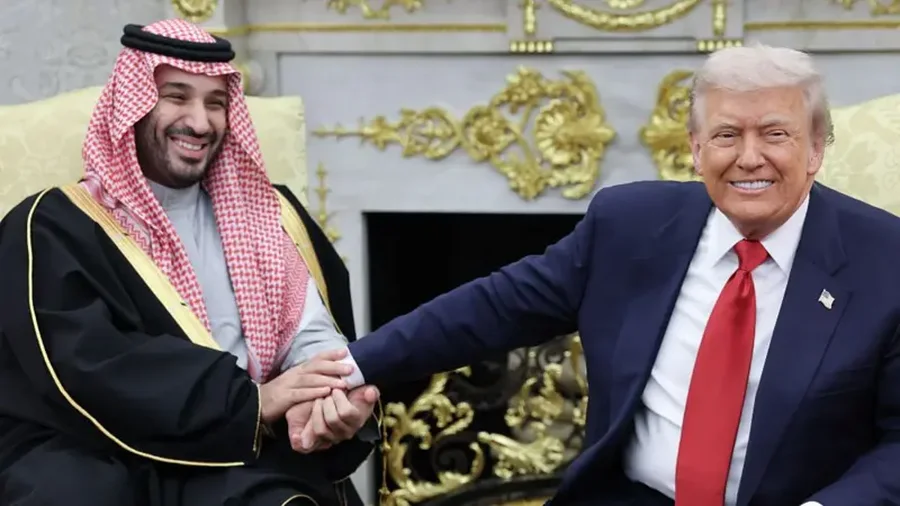
The new nuclear deal between the US and Saudi Arabia could mark a turning point in American non-proliferation policy. While Washington denies Iran the right to enrich uranium, its willingness to allow an ally like Saudi Arabia to do so raises questions about double standards and the risk of a new nuclear race in the Middle East.
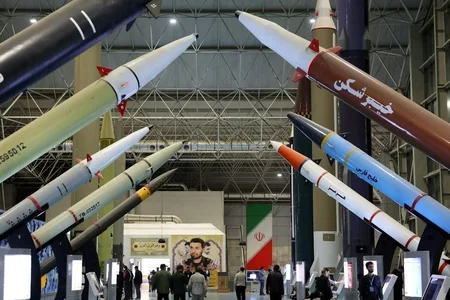
For more than two decades, American policy toward Iran has been based on a clear principle: Tehran must not be allowed to enrich uranium, because this technology could become the shortest path to a nuclear weapon.
This argument has justified economic sanctions, diplomatic isolation, lengthy negotiations and, most recently, the use of military force against Iranian nuclear facilities.
Now, the same Washington seems ready to grant Saudi Arabia the right to develop a similar capability.
If the deal is confirmed, it will not only change the US-Saudi Arabia relationship. It will also change the logic on which the nuclear non-proliferation regime in the Middle East is built.
From the American perspective, there is a big difference: Saudi Arabia is a strategic ally, while Iran is considered an adversary. But technology does not distinguish between allies and rivals. Enriched uranium remains the same, no matter who produces it. Technical knowledge acquired today for civilian purposes can create military capabilities tomorrow, if political circumstances change.
That's why the deal is causing concern. Because it sets a precedent: if one Middle Eastern state is recognized as having the right to enrich uranium, it will be much more difficult to deny the same claim to others.
The paradox is obvious. The US has bombed Iranian nuclear facilities under the argument that it cannot allow the expansion of uranium enrichment capacity. At the same time, it is negotiating for another regional power to acquire this very technology.
This could give Iran a strong political and diplomatic argument. Tehran could claim that not the same standards are being applied to all states, but two different standards: one for Washington's allies and another for its rivals.
In the long term, the consequences could be even broader. If Saudi Arabia develops its own nuclear fuel cycle, other countries like Turkey or Egypt could seek the same. That would turn the Middle East from a region with a contested nuclear program to one with several states possessing advanced uranium enrichment technologies.
The question that arises is not whether Saudi Arabia intends to build nuclear weapons today. The question is whether the American decision weakens the principle it has defended for decades: that the fewer countries possessing uranium enrichment technology, the lower the risk of nuclear weapons proliferation.




Lini një Përgjigje