


 Shkruar nga Pamfleti
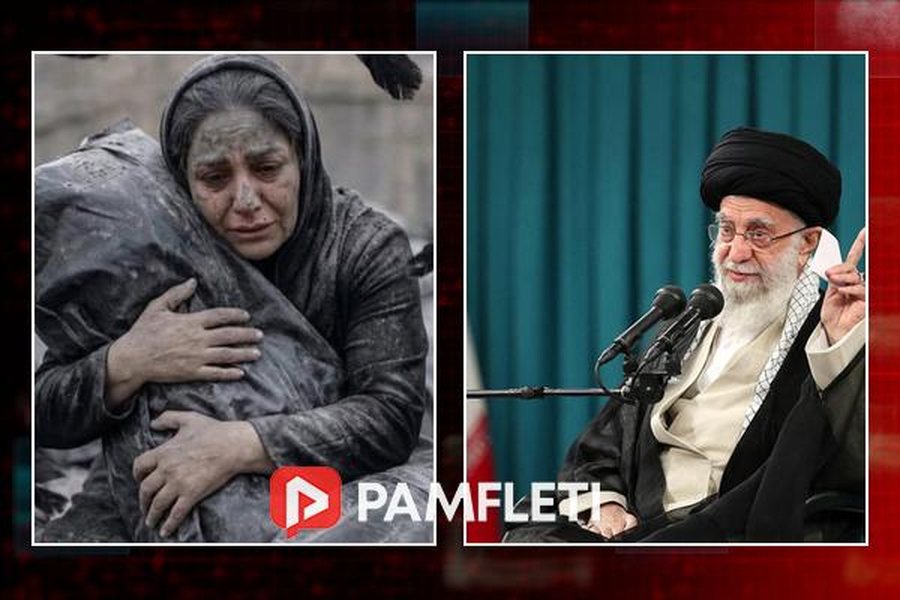
Leaked documents reveal Khamenei's deadly secret plan to suppress protests in Iran
Leaked documents from the Iranian regime reportedly reveal a coordinated plan, personally approved by Supreme Leader Ayatollah Ali Khamenei, to violently suppress nationwide protests through the use of force, surveillance and internet shutdowns. Reviewed by Fox News Digital, the files show that Iran’s Supreme National Security Council developed this strategy following the 2019 protests, sparked by rising fuel prices and economic hardship.
At a press conference of the National Council of Resistance of Iran (NCRI), Deputy Director Alireza Jafarzadeh stated that the documents were obtained from within the regime through networks linked to the People’s Mojahedin Organization of Iran (MEK). He claimed that they show clear operational orders that give the Islamic Revolutionary Guard Corps (IRGC) the authority to use deadly force to maintain power.
A key document, classified as “top secret” and released on March 3, 2021, outlines four escalating levels of security conditions for handling unrest. In the early stages, Iran’s national police led operations with the support of the IRGC and the Ministry of Intelligence. In the most severe stage, called the “armed security situation,” full control would pass to the IRGC. Khamenei reportedly ordered the plan to be implemented across the country over a two-year period.
These guidelines are alleged to have been the basis for the crackdown on the January 2026 protests, which erupted amid inflation, a collapsing currency and public anger at clerical rule. According to the Human Rights Activists News Agency, at least 6,854 people were killed, while more than 11,000 cases are under investigation.
Internal regime assessments describe three phases of the uprising: an initial law enforcement phase, a non-armed security phase, and a final armed security phase that began on January 8, 2026, when the IRGC assumed full command and carried out armed strikes. During this phase, other security agencies supported the IRGC, while the Ministry of Communications imposed severe internet restrictions, including complete blackouts.
A second classified document from 2024, prepared by the IRGC’s Sarallah Headquarters, presents a 129-page “Comprehensive Tehran Security Plan.” It outlines extensive surveillance and repression measures, labeling MEK members and relatives of executed dissidents as top-level targets.
Jafarzadeh argued that the killings intensified public opposition and encouraged more young people to join the organized resistance against the regime.


Lini një Përgjigje