


 Shkruar nga Pamfleti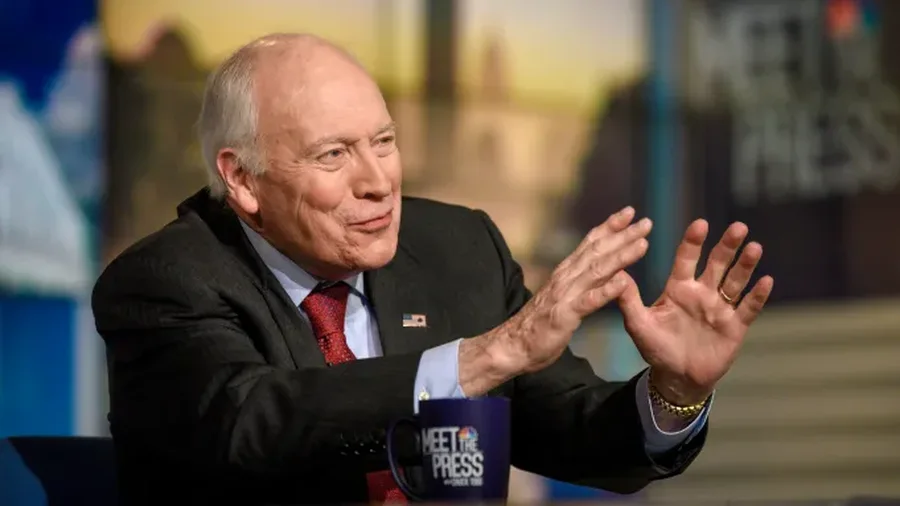
He was the most powerful and controversial Vice President in American history.
Richard Bruce Cheney was a laconic college dropout who found his place in Washington, moving to the capital as a member of Congress and quickly rising through the ranks to become White House chief of staff for President Gerald Ford, a Wyoming congressman in the Republican leadership of the House of Representatives, and wartime secretary of defense for the aging President George H.W. Bush.
Then, for eight years as vice president to the younger President George W. Bush, Cheney acted like no vice president before, managing the presidential transition, crafting energy policy, and leading a concerted administration effort to restore and expand executive authority from what he saw as congressional interference.
Cheney, 84, died surrounded by family members on the evening of Nov. 3 from complications of pneumonia and heart and vascular disease, according to a statement from the Cheney family. The family called him "a fine and kind man who taught his children and grandchildren to love our country and live lives of courage, honor, love, kindness and fly fishing."
After the September 11 attacks in 2001, he played a central role in shaping a tough approach to terrorism that included unprecedented electronic surveillance within the United States and aggressive interrogation of foreign fighters that many called torture. He was an architect of the decision to invade Iraq, a war that largely defined Bush's presidency.
On foreign affairs, national security, energy issues, and other fronts, Cheney was second only to the president in shaping policy and strategy, although his influence declined and his relationship with Bush cooled toward the end of their terms in office.
"He was certainly the most powerful vice president, but I don't want to curse him with that nickname," said Paul Light, a political scientist at New York University and author of "The Power of the Vice President: Advice and Influence in the White House."
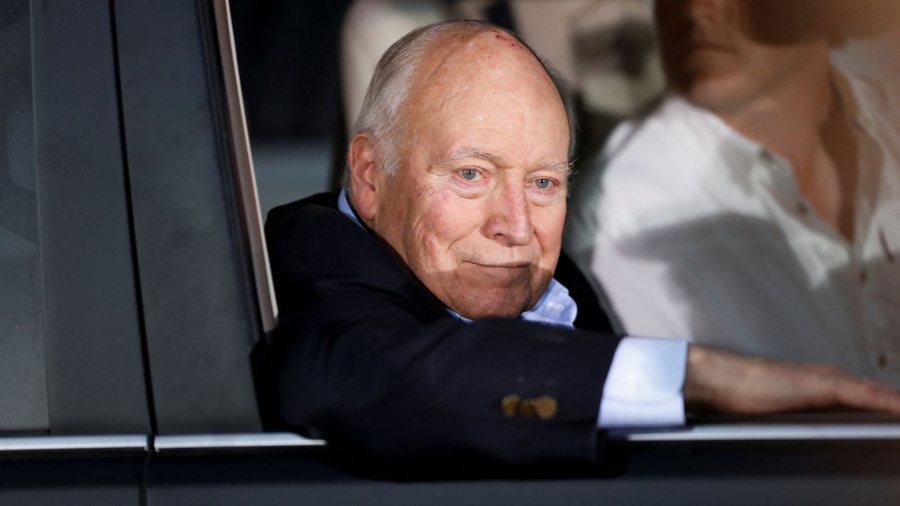
“He was so much more than a vice president,” Light said. “He ended up doing so many things that go beyond the boundaries of a vice president.”
Light called him “as influential as any senior adviser in modern American history” and on a range of issues, from relations with Congress to climate change. “There’s virtually nowhere in the administration where you don’t see his engagement.”
Cheney became a frequent target of Democrats and other critics of the administration, particularly for his optimistic predictions before the Iraq War and his ties to oil services giant Halliburton.
He was portrayed by late-night comedians and "Saturday Night Live" as a kind of Bush puppet master, an image he dismissed as ridiculous and offensive.
However, there was sometimes debate about whether Cheney was too powerful. During the 2008 Republican primaries, candidates running for the GOP presidential nomination said that, if elected, their vice presidents would have different roles.



Lini një Përgjigje