


 Shkruar nga Gabriel Elefteriu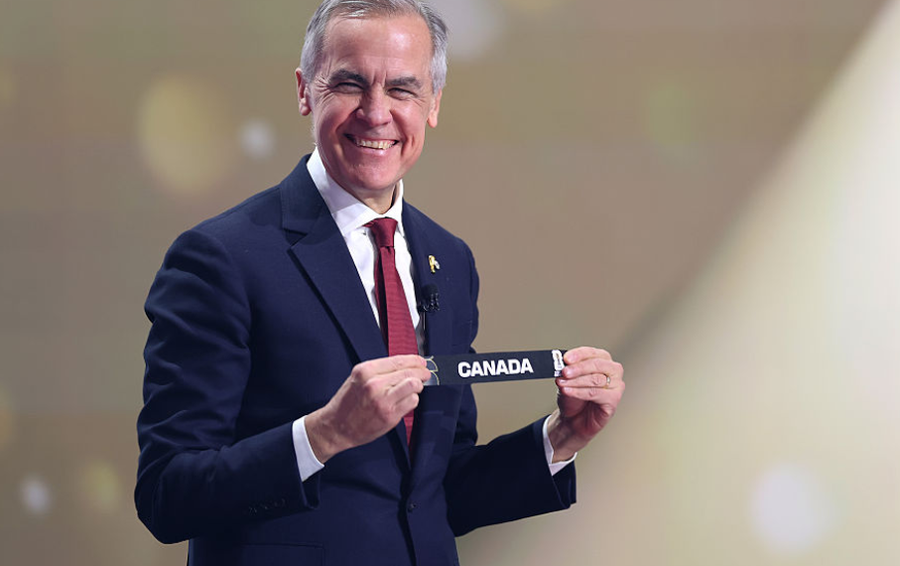
As traditional alliances falter, this new grouping of middle powers aims to create a new pillar of geopolitical stability. Through a combination of economic power and strategic rearmament, 12 states could offer a functional alternative to the outdated structures of the UN…
As the divisions in the world order increase and old alliances falter, a new solution is being sought to stabilize the international system, while preserving at least some of the principles and aspects of the previous period that have served Western powers well since World War II.
The problem that statesmen face today is not simply practical. That is, it is not only related to the changing balance of power, especially in military terms, and the emergence of tripolarity.
An additional and perhaps more important challenge is the intellectual or even philosophical foundations that must underpin the future version of a global political architecture for peace and security.
In the modern world, any such “system” requires at least one legitimizing and organizing principle at its core, to be applicable for any significant period of time.
The post-Napoleonic Vienna System was based on the idea of sovereign equality and the restoration or preservation of traditional monarchies. After World War I, “collective security” was combined with national self-determination to provide a new basis for world order. This initiative failed.
The post-1945 world presented the UN system as a source of legitimacy, with the special authority of the five permanent members with veto power in the Security Council.
Of course, in practical terms, stability did not flow from the P5 consensus, but from nuclear restraint and deterrence.
However, the UN and the “international community” were a decisive factor in the political and strategic calculations of the two superpowers in an era of sharp ideological confrontation.
After the collapse of the Soviet Union, the authority of the UN and the system of “rules” were again challenged. With the return of great power competition in 2014, the erosion of the legitimizing principle of the post-1945 UN-centered order was only accelerated.
Now this process is practically complete and the system has returned to a “near-natural state” of equilibrium based purely on power and, for the moment, still largely based on the remnants of the past order.
Çështja e legjitimitetit mund të mos jetë më me interes për askënd. Por kjo mund të jetë vetëm e përkohshme. Në këtë kontekst ka fituar rëndësi koncepti i “fuqive të mesme që punojnë së bashku”, i përmendur së fundmi në Davos nga Mark Carney. Ndërsa ka ende shumë paqartësi mbi këtë strukturë, gjykohet se kriteri kryesor për anëtarësim, së bashku me forcën e përgjithshme ekonomike, duhet të jetë fuqia ushtarake dhe intensiteti i politikave të riarmatimit.
Numri optimal i anëtarëve duhet të jetë 12, duke krijuar grupimin “M12”. Lista e plotë e M12-së do të përfshinte, sipas renditjes së PBB-së, këto vende: Gjermaninë, Japoninë, Britaninë, Francën, Korenë e Jugut, Australinë, Holandën, Poloninë, Suedinë, Izraelin, Norvegjinë dhe Danimarkën.
Shumëkush mund të habitet nga përfshirja e Izraelit, duke pasur parasysh ndërlikimet politike përreth tij, apo nga përfshirja e Norvegjisë dhe Danimarkës, duke pasur parasysh madhësinë e tyre më të vogël. Por Izraeli është padyshim një aset për aftësitë e tij ushtarake dhe në botën që po kalojmë, kjo ka një peshë të madhe.
Ndërkohë, Norvegjia dhe Danimarka renditen në dy vendet e fundit në listë falë shpenzimeve të tyre për mbrojtje për frymë (përkatësisht 2.050 dollarë dhe 1.650 dollarë), të cilat janë më të larta se ato të çdo kombi tjetër në listë, përveç Izraelit (5.350 dollarë).
Nga ana tjetër, edhe pse regjistron normën më të ulët në këtë aspekt (vetëm 450 dollarë), shumë më poshtë se vendet e tjera që nuk janë në listë, Japonia e kompenson këtë përmes madhësisë së përgjithshme të ushtrisë dhe ekonomisë së saj. M12 nuk do të ishte thjesht një aleancë ushtarake, por një projekt gjeopolitik që duhet të optimizohet për një potencial të përzier ushtarak dhe ekonomik.
Që çdo grupim i fuqive të mesme të jetë i vlefshëm dhe i suksesshëm, ai duhet të jetë funksional. Në kuptimin që anëtarët e tij të kenë, në mos të njëjtat interesa, të paktën të njëjtin nivel gatishmërie dhe energjie për të vepruar, si dhe të njëjtin vlerësim të demonstrueshëm të kërcënimeve.
Kjo është gjithashtu arsyeja pse nuk do të ishte e përshtatshme të përfshiheshin vende demokratike nga Amerika e Jugut ose Afrika. Këto i përkasin gjeografive strategjike krejtësisht të ndryshme dhe ndoshta të pavarura, me grupe të ndryshme interesash dhe kërcënimesh nga fuqitë e mëdha që i prekin.
Ideja e fuqive të mesme që punojnë së bashku për një avantazh të vërtetë strategjik është e vlefshme dhe zgjedhja e kohës dhe e vendit për këtë diskutim ishte e saktë. Është padyshim e qartë se tashmë ekziston një nevojë urgjente për zgjidhje të reja dhe mendim krijues, ndërsa tabela globale e shahut po riorganizohet, ose më saktë, po përmbyset.
Një grup i ri, koherent dhe funksional i fuqive të mesme mund të funksionojë - mund të arrijë rezultate kuptimplota dhe ndoshta të bëhet një fener stabiliteti në një botë që ka marrë tatëpjetën - nëse projektohet që në fillim për funksionalitet dhe efektivitet optimal.
It should be held together by no more than a dozen member states, with no “extra seats” for various EU representatives, etc. A stronger play for an initiative such as M12 would be to put the EU at the service of its goals, which would benefit everyone involved.
Basic comparisons of an M12 grouping support this proposal. Such a “consortium” of countries would amount to about 20 percent of world GDP and approximately 80 percent of America’s GDP.
In terms of defense spending, the M12 would account for over half of U.S. defense spending and significantly more (in nominal terms) than Russia or China. Moreover, rough estimates suggest that the M12 countries would control about a quarter of total global trade and equal China in share of global output.
Much can be achieved by a well-coordinated grouping of middle powers in the years to come. But such an effort requires strong leadership and visionary statesmen who can keep their defeatist and often apathetic bureaucracies in check. / Adapted from "Pamphlet" by "Brussels Signal"


Lini një Përgjigje