


 Shkruar nga Pamfleti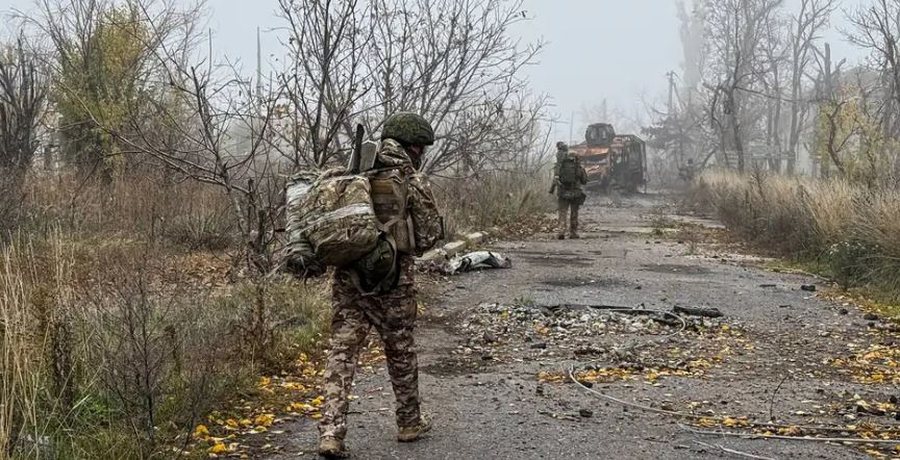
Torture, humiliation and murder are common practice in the Russian military. How did this happen and why do the so-called "cancellations" go unpunished?
“They canceled my child,” Tatyana Bykova complains in a video message. Her son Andrei was killed, she says, by the commanders. She mentions their names and says she hates them. First, they extorted money from him, demanding half of the compensation he received for his injury, she says. When he refused to give them the money and bought a car instead, they demanded that he give them the car. Since he refused to hand over the car, he was killed, Bykova says.
She filed a complaint with the Investigative Committee of the Russian Federation and the Prosecutor General's Office, but nothing happened. Andrei Bykov was simply declared missing. “As I was told, he was beaten to death. He was buried in the ground in a wooded area near Galitsynivka (a village in the Donetsk region of Ukraine – ed.),” Bykova told the independent Russian media outlet Verstka in exile.
In October 2025, the portal launched a project to draw attention to the widespread practice of torture and so-called “cancellation” – a common term for the killing of comrades in the Russian army. “Verstka” also published the names of dozens of commanders involved. The next day, Alexander Pashchenko, a representative of the ruling United Russia party from Khakassia, responded to criticism from an angry citizen by saying: “On the front line in Ukraine, you would be ‘cancelled’ for such statements.” He thus confirmed that “cancellations” are indeed being practiced.
Why does torture and murder happen in the army?
"The killing of comrades is just one aspect of the plight of the Russian army. Torture is also widespread," military expert Yuri Fyodorov told DW. Videos of torture can be found on Telegram channels dedicated to the war. For example, according to him, soldiers are thrown into a pit and fed garbage for a week or two, depending on the whims of the commander. Or soldiers are forced to "hug the tree." They are tied up and left there for a day or two without food or water.
A soldier can be shot and then declared missing or killed in battle. Moreover, it is up to the arbitrariness of Russian commanders whether a soldier will be sent on an attack where the risk of death is particularly high.
The reasons for "cancellation" can vary widely - disobedience, disciplinary violations, alcohol consumption, quarrels with superiors or refusal to hand over part of the salary. "If you consider people as expendable goods and are able to kill someone by sending them into a hopeless battle, then you will be able to kill even for the fact that someone did not give you money or had an argument," military expert Yan Matveyev told DW.
Psikoanalistja Alina Putilovskaya flet për “shprehjen” e emocioneve agresive: “Eprorët që kryejnë vetë këto akte mizore dhune bëjnë edhe tallje me ta – për shembull, duke dhënë urdhra jorealiste dhe duke u mohuar furnizime elementare njësive të tyre. Këta zyrtarë të lartë projektojnë nga jashtë një imazh superioriteti, pathyeshmërie dhe prosperiteti. Kjo çon në ndjenja shumë të ashpra midis komandantëve në terren, të cilat më pas i shpërthejnë mbi vartësit e tyre.”
Sipas Putilovskas, këta të fundit ndiejnë frikë sepse mund të bëhen shënjestër e agresionit nga eprorët e tyre. Megjithatë, ata ndiejnë edhe keqardhje dhe faj ndaj shokëve të tyre të prekur sepse nuk mund t’i ndihmojnë, shton psikoanalistja.
“Anulim” në vend të disiplinës
Yuri Fyodorov ia atribuon “uljet” në ushtri oficerëve të korruptuar, personelit kriminal dhe të padisiplinuar. Ai thotë se një njësi ose togë ushtarake në Rusiështë bërë më problematike që nga vitet 1990, me shumë që kanë mbetur në ushtri thjesht sepse nuk mund të gjenin punë në sektorin civil. Ata i plotësonin pagat e tyre të pakta me praktika korruptive, thotë ai, të tilla si detyrimi i ushtarëve për të bërë punë të papaguar. Ky është pikërisht lloji i personelit ushtarak që shërben aktualisht në luftën në Ukrainë, shton ai.
Ekspertët bien dakord se ushtria ruse ka ndryshuar gjithashtu në këtë luftë për shkak të rekrutimit të mercenarëve që luftojnë për para dhe kriminelëve të dënuar, të cilët sjellin “vlerat” e tyre në radhët ushtarake. “Për ta mbajtur nën kontroll të gjithë këtë bandë, duhej të përdoreshin metodat më brutale”, thotë Fyodorov.
Një nga shembujt e parë të njohur të kësaj ishte një video që qarkulloi në mediat sociale në nëntor 2022. Ajo tregonte mercenarët Wagner duke vrarë një shok me një çekiç.
Mosndëshkimi dhe mungesa e disiplinës
Sipas Yan Matveyev, arsyeja kryesore për “anulimin” është mungesa e disiplinës dhe mungesa e një sistemi ushtarak të strukturuar siç duhet. “E gjithë kjo inkurajon mosndëshkimin, gjë që e bën të pamundur menaxhimin e ushtrisë. Askush në ushtrinë ruse nuk është ndëshkuar për krime të rënda lufte, siç janë vrasjet në Bucha dhe Mariupol. Kjo sinjalizoi menjëherë se njerëzit thjesht mund të vriten pa u ndëshkuar”, thotë Matveyev.
Ai është i bindur se “anulimet” kanë dëmtuar disiplinën në ushtri. Meqenëse ushtria nuk po bën asgjë për këtë, ky trend vetëm sa po intensifikohet, beson ai.
Të dy ekspertët besojnë se ushtria ruse nuk do të ishte më e gatshme për luftime nëse praktika e torturës, abuzimit, zhvatjes, “anulimeve” dhe krimeve të luftës do të ndalej. “Në realitet, i gjithë funksionimi i ushtrisë bazohet në mosndëshkim dhe shfrytëzimin e ushtarëve si burime, si skllevër”, thekson Fyodorov.
From the perspective of psychoanalyst Alina Putilovskaya, “denials” are a method of coercion, control, and intimidation. “The military leadership is not interested in building long-term relationships with people, because they know that new people will come soon. Two things keep a community together, even in war: emotional connection and coercion. If one of them is lost, as in this case with emotional connection, then coercion takes hold, and in this case it escalates into cruelty that reaches an extreme point.”
Matveyev emphasizes that the Russians do not understand what they are really fighting for. “The Ukrainian army knows, even though it is facing very difficult circumstances and suffering from huge problems, what it is fighting for. It is defending its country. The majority in the Russian army is fully aware that this is a serious and heinous war crime, which hides a multitude of smaller crimes, and that they will have to deal with it,” the expert says. /DW



Lini një Përgjigje