


 Shkruar nga Pamfleti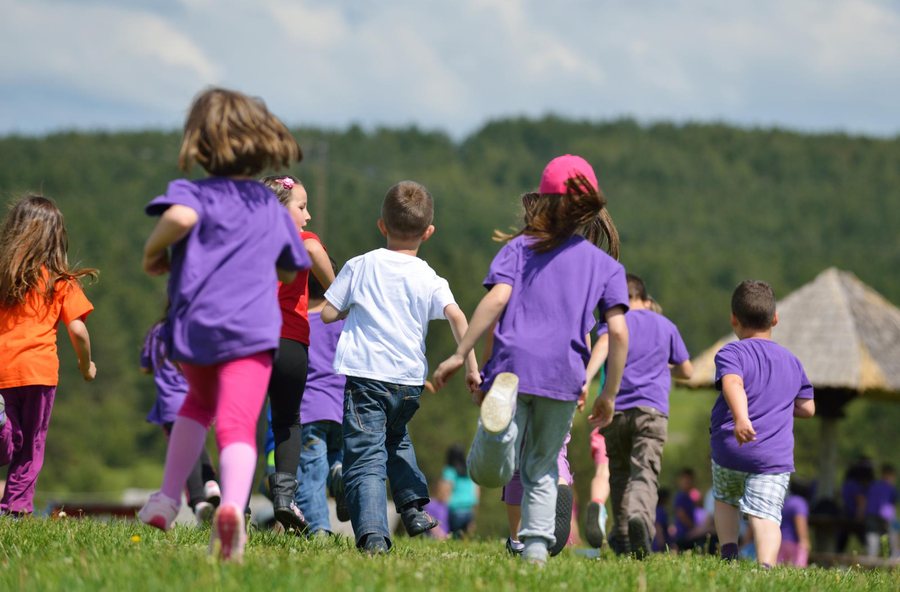
On June 12, the last bell of the school year rings. For students, the most awaited period of the year begins, almost three months of vacation. For many parents, especially those who work full time, a period begins where the search for solutions on who will take care of the children during the summer becomes the main topic.
For families where both parents work, summer is becoming a logistical and financial challenge. The annual vacation of most employees in Albania is about two weeks. In the best case, part of the public administration may benefit from longer vacation periods during August. But for the majority of families, especially in the private sector, work continues normally even during the summer months.
In the past, the role of “summer caregiver” was played by grandparents. Today, with family migration, living away from home, or even grandparents’ own commitments, this solution is no longer available to everyone. For many urban parents, summer camps have become the main alternative.
They offer a combination of daycare with sports, artistic, educational and fun activities. For children, they are a way to socialize and spend time actively. For parents, they are a guarantee that the child is in a safe environment during working hours. But this security comes at a cost.
How much does a summer at camp cost?
From the rates published by various operators in Tirana, a summer camp costs between 15,000 and 20,000 lek per week for a child. In some cases, the price includes food, activities, and didactic materials, while transportation is paid separately.
If a child attends camp for a month, the cost can reach an average of 60 thousand. For families with two children, the figure can easily double. If parents want to cover a large part of the summer, the bill becomes even heavier. Two months of camp for one child can cost over 1 million lek and the bill multiplies by the number of children. This means that for some families, just organizing the summer can cost as much as a family vacation abroad.
The cost becomes even more significant when compared to income. The minimum wage in Albania is 50 thousand lekë per month, while the average gross wage in the first quarter of 2026 was about 90 thousand lekë, or about 72 thousand lekë net. In other words, a month of summer camp for one child can cost as much as a full minimum wage. For two children, the monthly bill can be higher than the average salary of an employee.
Of course, most families don't pay for camp for the entire summer. Many parents combine their vacations, family help, summer camps, and home care. But even so, summer has become an increasingly important item in the family budget.
A growing market
The growing demand has created a new market for services. Every year, new summer programs organized by private schools, educational centers, sports academies, language courses, art studios and specialized companies appear. In a market where more and more parents work full-time, camps are evolving from seasonal activities into full-fledged care services. Competition is increasing and with it the variety of offers: from sports and swimming camps, to STEM camps, robotics, foreign languages or outdoor activities.
However, although the offer has expanded, it remains mainly concentrated in Tirana and a few large cities. In the rest of the country, alternatives are more limited and often depend on specific private initiatives.
A problem that goes beyond the camps
Essentially, summer camps are filling a gap created by the mismatch between school and work schedules. Children have about three months of vacation. Parents have a few weeks. As Albanian families become smaller and traditional extended family support fades, the solution is being bought into the market.
For this reason, summer camp is no longer seen as just a fun or educational activity. For many families, it has become a necessary service, a kind of “summer nursery” for school-age children. And like any other necessary service, it has a cost that is increasingly weighing on the budget of Albanian families./Monitor



Lini një Përgjigje