


 Shkruar nga Pamfleti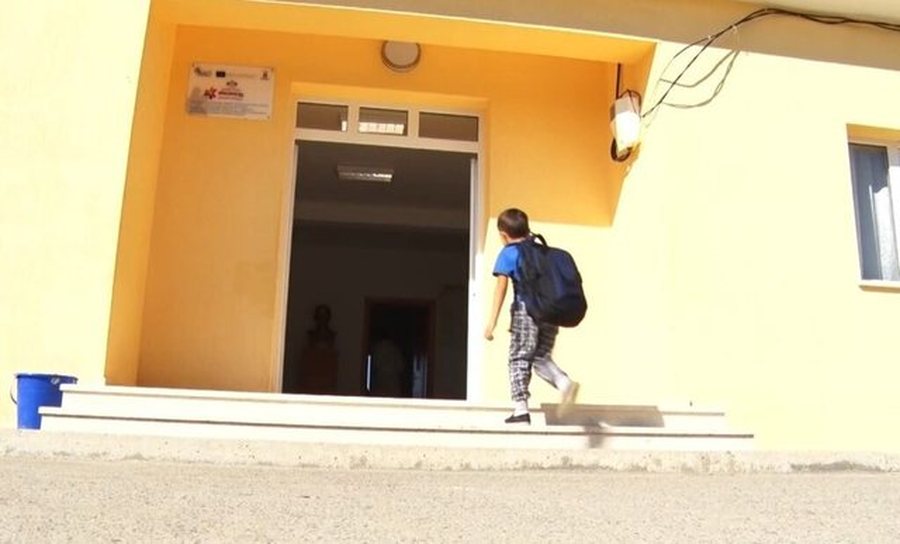
According to the 2023 Census data, 69 administrative units in Albania have fewer than 100 children aged 0-14, risking the closure of schools in these areas. In the Frashër Administrative Unit in the Municipality of Përmet, there were only 2 children aged 0-14 in about 8 villages when the 2023 Census was conducted.
In the southern municipalities, children can be counted on the fingers of one hand, while population data shows a significant decline in young people from the Census to 2025.
With the start of the new school year, a part of the country is facing dramatic developments, the lack of students. Data from the 2023 census on the population aged 0–14 show that some administrative units have so few children that they do not need schools. In the administrative unit of Frashër, in the Përmet area, in 2023 there were only two children aged 0-14. There are eight villages in this administrative unit – Frashër, Zavalan, Ogren, Gostivisht, Miçan, Vërçisht, Kreshovë, Soropull.
The number of villages is greater than the number of children. This administrative unit had only 144 inhabitants in 2023 from 387 in 2011. Now almost two years after the census, those two children have probably also moved away, making educational services in this administrative unit completely unnecessary. Years ago, the administrative unit of Frashër, the cradle of the Renaissance, was the most populated area of Përmet.
The administrative units of the South with the 2023 census data seem to have been completely emptied of children. For example, in 2023, in the administrative unit of Zagoria there were only 7 children aged 0 to 14 years.
In the town of Leskovik, there were also only 7 children of 9-year-old education age. While Ngracan has only 9 children. Likewise, Pogon and Voskopoja have only 10 children each aged 0-14.
Similar figures are also found in the administrative units of Odrie and Çlirim with 11 children each, while in Novoselë, with only 12 children, in the administrative unit of Shllak, 13 children, in Barmash 14 children and in Shosh, 15. In these areas, teachers often teach in combined classes and schools operate with a minimum number of students.
The closure of schools in these areas makes it impossible for a young family to start life and have children. It seems that education and demographic developments have turned into a vicious circle, where schools are closed due to a lack of students and, on the other hand, young families are displaced due to the lack of schools.
On the other hand, large regions such as Tirana and Durrës, especially urban areas, have a higher concentration of school-age children. In the 2023 census, there were 374 thousand children aged 0-14 years in the entire country. Across the country, 74.5 thousand or 20% of them are located in the Municipality of Tirana.
Population data show that rural areas, mainly in the South of the country, will disappear in the not too distant future due to the lack of children. In the administrative units of Frashër, Voskopoje, Pogon, Aliko, Zagori, Mesopotan, Ngraçan, Dhiver, Qendër Leskovik, Odrie, Finiq, Livadhja, Çepan, Dropull i posiđom, children under 14 years of age were less than 5% of the total population.
In 14 administrative units (out of 377 administrative units, which also include municipalities) the number of children aged 0-14 accounted for less than 5% of the total population. In 32 other administrative units, it is seen that children aged 0-14 accounted for 5-10% of the total population.
In 177 administrative units, children accounted for 10-15% of the total population. In 33 units, children aged 0-14 accounted for 15 to 20% of the total population, and in only 24 administrative units, children accounted for over 20-27% of the total population. The former Municipality of Tërthore in Kukës ranks as the administrative unit with the highest number of children in relation to the total population. The 2023 Census data showed that in this administrative unit, 27% of the residents were under 14 years old.
The second ranked administrative unit is Gjinaj, also in Kukës, in which 26.1% of the residents were children, followed by the former Kolsh Municipality, also in Kukës, where 25% of the residents were children.
The Administrative Units of Kukës lead in terms of still high ratios of children to population compared to other regions of the country.
The administrative units, Zapod, Surroj, Fajzë, Shtiqen, Arrën, Grykë Qajë, Ujmisht, Golaj, Krumë, Bicaj, Kalis are all part of the Municipality of Kukë and have the highest number of children in relation to the population with over 21%, ranking at the top of the administrative units for the young population.
Even in these units, births have fallen significantly during the transition, but still the birth rates are the highest in the country. On the other hand, these units also have the highest poverty level in the country. The 2023 Census data on demographic composition informs how public funds should be allocated, especially in education. While in the administrative units of the South, infrastructure for the elderly needs to be prepared more quickly.
As the vast majority of the country's population ages, neither local nor central government is adapting social policies to demographic developments. In the North, school dropout is increasing due to school closures and concentration, while in the South, thousands of elderly people suffering from chronic diseases do not receive social care./ Monitor.al



Lini një Përgjigje