


 Shkruar nga Zylyftar Hoxha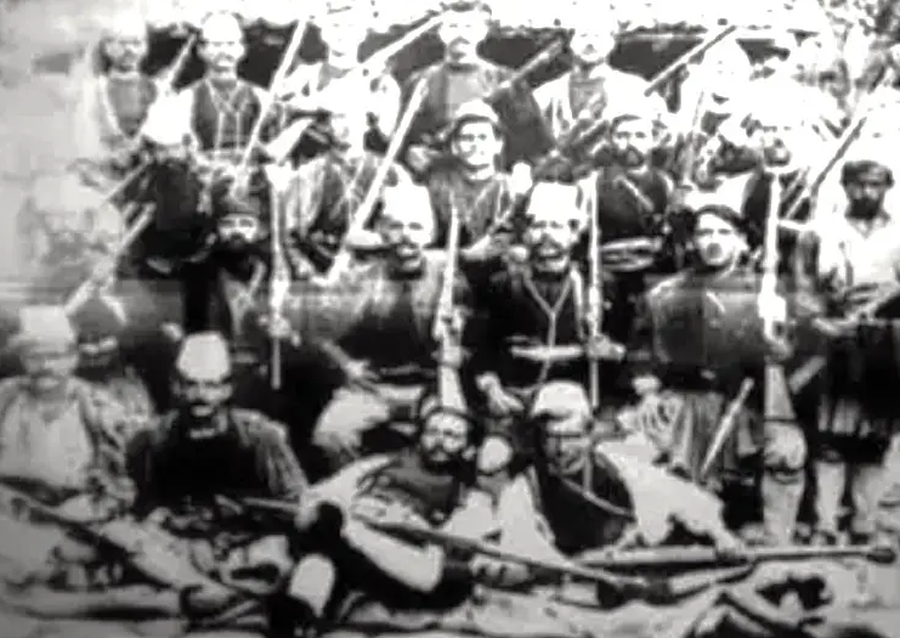
He rests alone, perhaps forgotten, there in the cemetery of Erseka, under the hissing winds of the Kolonja and Gramoz plateaus, waiting for an unspoken word, for the tyrant old man of Southeastern Albania, who in the difficult years of World War I, brought foreign generals and diplomats to their knees. But no one said this word to him, neither in life nor in death, from all the governments that have passed: from Zog's, it is known, he had nothing to expect, because he had returned the rifle; from the communist, he received only a few jokes, which were of no use to anyone; from the democratic, complete oblivion.
On this anniversary of the beginning of World War I, where Albania was one of its greatest casualties, it would be an honor to mention one of the Albanian heroes of this war, Sali Butka.
Who was Sali Butka?
Sali Butka was born in the village of Butka in Kolonjë, in 1857, into a large family of ancient origin from Frashëri in Përmet, who were known by the surname Aliçkaj, who had moved from their lands there around 1630 and settled in Butka in Kolonjë. A large, but simple family began to be felt and to gain a name throughout the area; Kolonjë, Përmet, Korçë and Skrapar, when Tahiri's son, Saliu, joined the chetas that rose up against Turkey at the beginning of the 20th century.
In the first battles for freedom
He was a member of the Monastery Committee “For the Freedom of Albania”. In December 1905, Bajo Topulli went himself to the village of Butka, to the house of Sali Butka, where the first national detachment was formed and the beginning of the armed uprising was declared. This detachment, with commander Sali Butka, also included other patriots such as: Qani Starja, Qamil Panariti, Riza Veleishti, Selim Pojani, Sefer Panariti, Dilaver Lubonja, Hasan Qinami, Myftar Butka, Thoma Pituli etc.
In 1907, Sali Butka's group and that of Çerçiz Topulli and Mihal Gramenos organized a joint action to assassinate the Greek Despot, Fotis, who was considered one of the greatest enemies of Albania. After that action, the Turkish government imprisoned Sali Butka and burned down his houses in the village of Butka. Then the Sublime Porte sent Dajlan Bey Qafzezi, its tool in Kolonjë, to assassinate Sali's brother, Selman Butka.
In Vlora, in defense of the flag
Seeing the great contribution to the defense of the southern provinces and the Government of Vlora, Prime Minister Ismail Qemali called Sali Butka to Vlora. and received him warmly. The famous Butka elder also met there with Isa Boletini, Luigj Gurakuqi, Bajram Curri, etc. At that time he organized the defense of the new Albanian state from the attacks of the Greek army. Regarding this, at that time the newspaper "Liri e Shqipëria" wrote, among other things: "Sali Butka has taken off his cloak and is fighting with the Greeks from the side of Naselishte and from the side of Korça and is showing his bravery as in the time of Skanderbeg".
With rifle and pen for the motherland
From a young age he read and distributed the works of the Renaissance throughout the territory where he operated, which he brought from Manastir and Sofia. Sali Butka collaborated for a long time with Petro Nini Luarasi, helping him to establish the first Albanian school in Kolonjë. Saliu, together with Nasuf Bey Novosela, were the two people who took Petro Nini under their protection, from his enemies and opponents, who constantly threatened to eliminate him physically. From that time on he began to write and publish poems with patriotic themes, which later turned into folk songs that are still sung today.
In the years 1906-1908, he raised and organized other armed groups in the area of Kolonja and Leskovik. In 1910, Sali Butka, together with 2500 colonists, participated in the great rally of the Albanian letters, which was organized in the city of Korça. Regarding this significant event, the great patriot Mihal Grameno, in February 1910, in the newspaper “Lidhja Orthodhokse”, among other things, wrote: “The whole city, men and women, had come out to welcome the colonists, who surprised the world with their tactics”.
"A simple man of Albania"
In March 1911, the well-known patriot, Spiro Bellkameni, returned from exile and went to the village of Butka, staying for a few days in the Kolonjëse cheta, which was led by Sali Butka. In order to expand the insurgent movement, Sali Butka gave Bellkameni, his brother, Myftari, his son, Gani and Thoma Pituli, to form a separate cheta in Fushë i Korçës, which became known in the war of Orman-Çiflig, where six of its members were killed, who were later declared “Martyrs of the Homeland”.
At the head of the united insurgent forces, Sali Butka liberated Erseka and then, together with the platoons of Spiro Ballkamen and Kajo Babjeni, in August 1912, they liberated Korça. Regarding this event, the newspaper “Koha” dated August 19, 1912, wrote, among other things: “At the head of the second platoon was the captain and brave man of Albania, the renowned patriot Sali Butka, a simple Albanian man and a patriot with all his heart.”
1914, with two major wounds for the Old Man of Butka
Gjatë vitit 1914, Plaku i Butkës pati dy plagë të mëdha. Në luftën e Qafës së Martës, kundër grekëve, iu vra Nasi Qafzezi, të cilin ai e donte si djemtë e tij, ndaj në këngën që ngriti për të, e quajti Nasi Spiro Butka; dhe plaga e dytë ishte vrasja e djalit të tij 23-vjeçar, Ganiut, në Pogradec, më 2 korrik të vitit 1914, në përpjekje me forcat e reaksionit. Edhe për këtë ai ngriti këngën; “Malet e Gramozit qajnë, për Gani Butkën që vranë”, një këngë që këndohet në çdo gosti e muhabet edhe sot në Kolonjë, Përmet, Korçë, Skrapar, Dangëlli e Berat. Veç kësaj grekët i dogjën shtëpinë dhe familja tij u detyrua të jetojë në Skrapar, nëpër miq dhe shokë. Ja si shkruajtën gazetat italiane, kur Plaku i Butkës hoqi syrin pa narkozë:
“Në vitin 1914 kur në jug filluan masakrat greke, Sali Butka me familjen dhe me mijëra refugjatë të Kolonjës u hodh në Vlorë dhe u sistemua në ullishtet e saj. Plaga në sy që kishte marrë atë vit në Nikoliçë, e bezdiste shumë dhe ishte bërë e padurueshme. Miqtë i thanë të shkonte në Itali ta hiqte syrin. Me qenë se ishte aty afër, i hipi një anijeje mallrash dhe shkoi në Bari. Aty e pritën shumë shqiptarë emigrantë dhe e ndihmuan të mbaronte punë shpejt. Pas dy vizitave në një klinikë të njohur, u vendos që të operohej për t’i hequr syrin e dëmtuar. Kur vajti në sallën e operacionit, doktori i thasë do t’i bënte narkozë për ta vënë në gjumë, që të mos ndiente dhimbje. Plaku nuk pranoi.
“S’dihet se ç’bëj në gjumë, i tha, më shpëtojnë nga poshtë apo pëllas si ka në mes të Italisë dhe të turpërohem. Më bën dot pa ilaç”? Mjeku ngulte këmbë për narkozë, plaku po si mushkë në të tijën. Operacioni nuk u bë atë ditë. Pas konsultës së dytë, kërkesa e Plakut të Butkës u pranua. Operacioni u krye pa narkozë. Ia lëshuan në dorë kokërdhokun e syrit të dëmtuar. As zëri më i vogël nuk doli nga goja e të sëmurit, vetëm djersët dinin sumbulla-sumbulla nga fytyra e zbehur nga dhimbja. Të nesërme gazeta “Corriere della Puglia”, botoi një lajmë në krye të faqes së parë, se një shqiptar kishte nxjerrë syrin pa narkozë.
Askush nuk do t’i ishte nënshtruar vullnetarisht një rasti të tillë, duhet të jesh shqiptar, duhet të jesh trim dhe guximtar që të bësh një gjë të tillë”, shkruante gazeta. Ky lajm mblodhi gazetarë dhe mjekë kirurgë nga e gjithë Italia, dhe ngjarja u pasqyrua edhe në gazeta të tjera. Ajo u pasqyrua edhe nga shtypi shqiptar i kohës. Mihal Gramenua në gazetën “Koha”, shkruante: “Atë ditë të mos e harrojmë kurrë! Vamë të gjithë luftëtarët ta ngushëllojmë, kur na thotë duke qeshur: “Mos kini frikë, o vëllezër, se nuk do të turpëroj Shqipërinë dhe asnjë pëllumb kundër armiqve, s’ka për të shkuar dëm”.
Fshatari i zgjuar e dinak, bëri atë që bëri Kutuzovi 100 e ca vjet më parë. Mbasi morën ultimatumin francezët dërguan në kampin e Saliut një përfaqësues të bisedonte me Plakun e Butkës, por më tepër ai donte të merrte vesh se sa forca kishte plaku që t’i binte Korçës. Por ai nuk mund ta merrte me mend intuitën e fshatarit të zgjuar e dinak, që shikonte prapa gardhit. Ai kish porositur që ato 5.000 forca që kishte, në moment të lëviznin, ca të shfaqeshin dhe ca të zhdukeshin matanë kodrës së Gjergjevicës, dhe të vazhdonin kështu deri në akshëm, sa t’u griseshin këpucët.
I ardhuri, duke parë këtë lëvizje, që ata që kishin dalë para dhjetë minutash, dilnin përsëri, por që ai i dinte si forca të reja, bëri llogaritjet se do të ishin aty te 10 mijë forca. Duke shtuar edhe rezervat që do të ishin pak më lartë, ai llogariti se plaku i kishte të sigurta 12 mijë forca. Është e çuditshme, por këtë kishte bërë edhe Ilarion Kutuzovi, 100 e ca vjet më parë, kur Napoloni i ishte afruar Moskës. Ai kishte parë se pas çdo zjarri kishte pasur 5-6 ushtarë, atëhere ai urdhëroi të që çdo ushtar të kishte një zjarr. Ushtria franceze u rrethua në një oqean me zjarre.
Në këto kushte ata u kthyen mbrapsht. I bindur mbi fuqinë e madhe të Sali Butkës. Oficeri francez i telegrafoi komandantit në Selanik, se; 12 mijë vullnetarë mund të sulmojnë Korçën, nga çasti në çast. Telegrami ndiqte telegramin, nga Selaniku në Athinë, nga Athina në Paris, deri sa u kthye përgjigja se Korça është e shqiptarëve. Kështu Plaku i famshëm i Butkës, mbrojti jo vetëm Korçën, por të gjithë Shqipërinë Juglindore, nga synimet e sulmet e shovinistëve grekë. Nisur nga kontributi dhe fama e madhe që mori Plaku i Butkës, gjatë viteve të Luftës së Parë Botërore, në 1920, ai u zgjodh dhe mori pjesë si delegat i Korçës, në Kongresin e Lushnjës.
Ultimatumi
Ishte gushti i vitit 1919. Shqipëria jetonte, ndoshta, çastet më kritike të historisë: Italianët siguruan Vlorën dhe Sazanin, serbët veriun e Shqipërisë, francezët që e mbajtën aq kohë Korçën, tani donin t’ua dorëzonin grekëve. Populli i Korçës, vendosi të kundërshtojë. U ngrit një komision me 13 veta, me njerëzit më të shquar të qytetit. Qyteti duhej të mbrohej me forcë, po ku ta gjeje këtë forcë? Iu kërkua ndihmë qeverisë së Durrësit, për 200.000 franga ari, të mbaheshin me ushqim vullnetarët, por ajo nuk u tregua e gatshme.
U mendua dhe iu bë thirrje Sali Butkës, që ishte në konak të Tomorricës me pushime në atë kohë. Pas kësaj, kur dëgjoi edhe se Themistokli Gërmenjin e kishin vrarë francezët në Selanik në kokën e Plakut shpërtheu stuhia. Brenda pak ditëve, ai solli në Gjergjevicë afër Korçës, 1.500 vullnetarë. Në fillim të shtatorit 1919, ai u dërgon një ultimatum të butë me 14 pika forcave franceze në Korçë: Po pse të butë, sepse duhej shmangur gjakderdhja, sepse Franca ishte fuqi e madhe.
Ultimatum në emër të popullit shqiptar
Sali Butka. Komandant i trupave vullnetare të lidhjes së Shqipërisë Lindore
To the Commander of the French Forces on the Albanian Borders in Korça
Commander, In the ignorance of the French people, in the ignorance of the high commission of the Peace Conference and against our will, your diplomacy, deceived by the flattering words of some Greek diplomats, pronounced the death sentence on the Albanian people, handing over the city of Korça to Greece, this arbitrary and criminal act, which was accepted with cold blood by France, the defender of oppressed nations, the defender of the weak...! Pushed to the extreme and unable to endure such rapes and such humiliations any longer, we see ourselves forced to warn you, to hand over the city of Korça and its districts to us, within 48 hours following the delivery of this ultimatum...!
Gjergjevica, September 1919
Commander-in-Chief of the Eastern Albania Volunteer Corps
Bottom, gold cap
The old man of Butka, after finishing everything, finally returned home, to Butka, and began to rebuild the houses from the foundations, after the Greeks had burned them down. He lived his days peacefully, remembering the boys he had left in the mountains. One day they told him that Zog had broken his neck. "Ahir, ishallah," the old man had breathed. But it wasn't long before they told him that he had returned. The prefect of Korça, Beqir Gjylbegu, asked the old man for help. And he, with 300 colonists and at an advanced age, took the borders, but Zog had already entered the other side. They tried to arrest him, but they couldn't the first time, the second time in the Fier Uprising they arrested him, but he was now nothing more than a handful of bones, so they released him. When he returned, he got two oparches to make his tombstone with an Albanian inscription carved on it. He returned it twice, until he found the necklace. He died on October 20, 1938./ Memorie.al



Lini një Përgjigje