


 Shkruar nga Pamfleti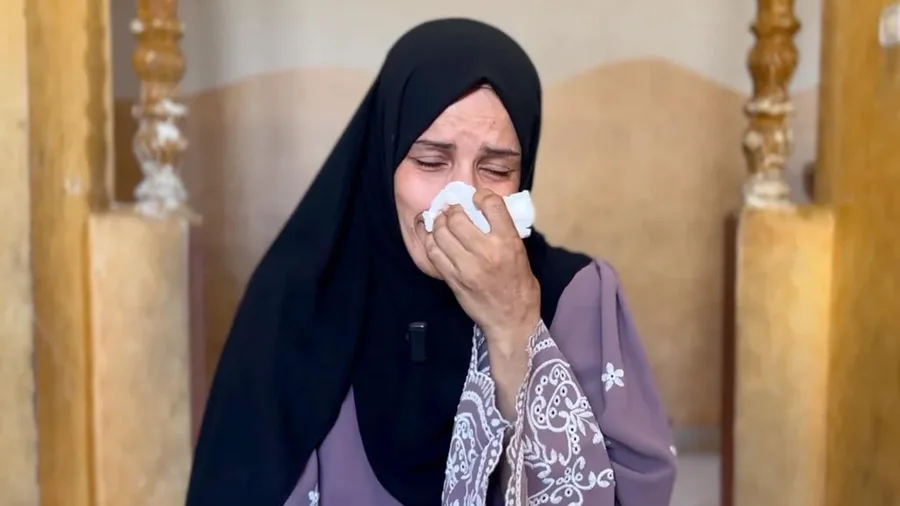
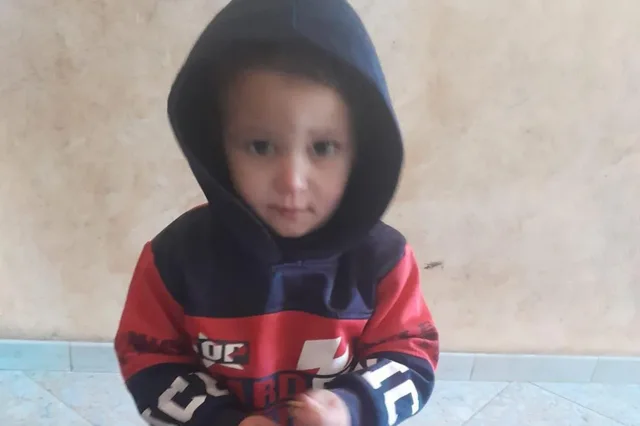
Iman al-Nouri's youngest son, two-year-old Siraj, woke up crying from hunger on Thursday and asked to take some nutritional supplements.
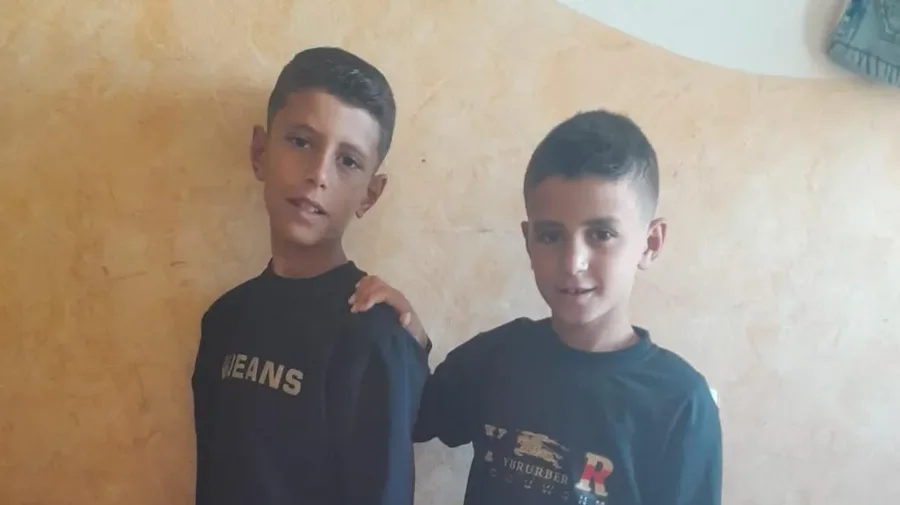
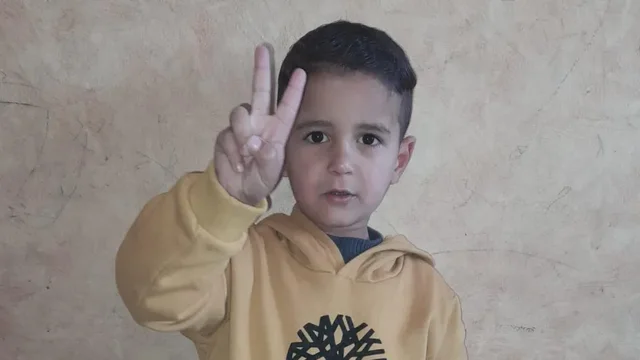
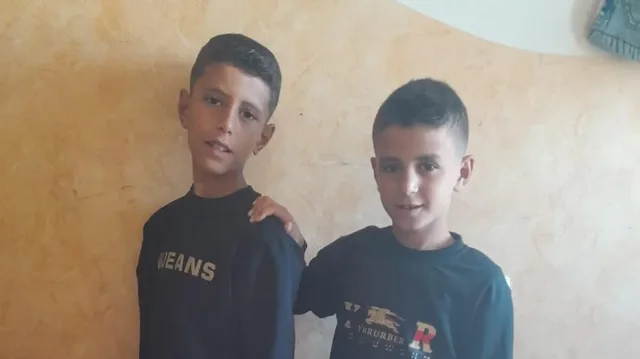
Siraj's 14-year-old cousin, Sama, agreed to take him and two of his older brothers, Omar, 9, and Amir, 5, to the Altayara health clinic in Deir al-Balah, in central Gaza.
"The medical point was still closed, so they were sitting on the sidewalk when suddenly we heard the sound of the attack," Imani told a local journalist working for the BBC.
"I went to my husband and said: 'Your children, Hatim! They were at the scene.'"
Amir, five years old, was killed instantly in the Israeli attack, according to Iman.
Imani, a 32-year-old mother of five, rushed to the scene after hearing the noise, but found her sons and granddaughter lying in a donkey cart that was being used to transport the injured to the hospital because there were no ambulances.
Amir and Sama were among the dead, while Omar and Siraj were seriously injured.
"Omar was still breathing a little. They tried to revive him," Imani recalled, adding "Omar needed blood and it took an hour to get it. They gave it to him, but it was in vain."
"Why were they killed, why? What mistake did they make?" she asked, adding, "they had dreams just like any other child in the world. If you gave them a little toy, they would be very happy. They were just children."
Imani said Siraj was bleeding from his head and had lost an eye, an image she now can't get out of her mind.
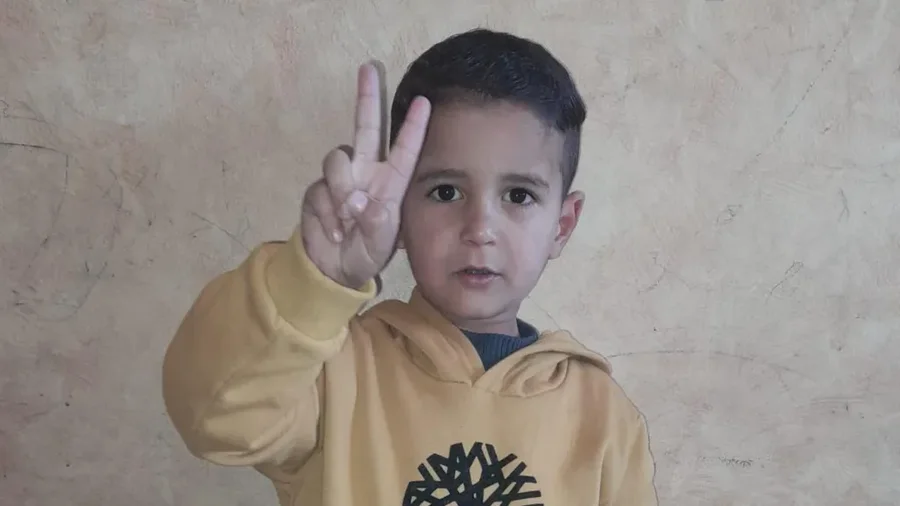
"He had fractures in his skull and according to the doctor, not just bleeding, but a major hemorrhage in the brain," she says, adding, "how long can he last like this, living on oxygen? Two of them are already gone. If only it would help me hold on a little longer."
Tragically, doctors have said they are unable to treat Siraj.
"From yesterday at 7:00 until now, he's in the same condition. He's still breathing, his chest is rising and falling, he still has breath inside. Save him!" she pleaded.
Imani said doctors had told her they were unable to treat two-year-old Siraj.
A spokesman for the US-based aid group Project Hope, which runs the Altayara clinic, told the BBC that the attack happened at around 7:15am.
Women and children were waiting outside before it opened at 9 a.m. so they could be first in line for food and other health services, said Dr. Mithqal Abutaha.
Security camera footage of the Israeli airstrike shows two men walking along a road, just a few meters away from a group of women and children. Moments later, an explosion occurs near the men, filling the air with dust and smoke.
Në një video grafike që tregon pasojat e sulmit, shumë fëmijë dhe të rritur të vdekur dhe të plagosur rëndë shihen të shtrirë përtokë.
"Ju lutem, sillni një ambulancë për vajzën time", thërret një grua ndërsa kujdeset për një vajzë të vogël. Por për shumë prej tyre ishte tepër vonë për ndihmë.
Dr. Abutaha tha se 16 persona u vranë, përfshirë 10 fëmijë dhe tre gra.
Ushtria izraelite tha se kishte në shënjestër një “terrorist të Hamasit” dhe se ndjente keqardhje për çdo dëmtim të atyre që i quajti “individë të papërfshirë”, ndërsa shtoi se incidenti ishte nën shqyrtim.
Projekti Hope tha se sulmi ishte "një shkelje e hapur e ligjit ndërkombëtar humanitar dhe një kujtesë e fortë se askush dhe asnjë vend nuk është i sigurt në Gaza".
Dr. Abutaha tha se ishte "e padurueshme" kur zbuloi se njerëzit u vranë "atje ku ata po kërkonin të drejtat e tyre themelore humanitare dhe njerëzore".
Ai vuri në pikëpyetje deklaratën e ushtrisë izraelite, përfshirë shprehjen e keqardhjes, duke thënë se "nuk mund t'i kthejë gjallë ata pacientë".
Ai tha gjithashtu se klinika ishte një "strukturë humanitare pa konflikte" e njohur nga OKB-ja dhe se asnjë veprim ushtarak nuk duhej të kishte ndodhur aty pranë.
OKB thotë se ka mijëra fëmijë të kequshqyer në të gjithë Gazën
Imani tha se fëmijët e saj shkonin në klinikë çdo dy ose tre ditë për të marrë suplemente ushqimore, sepse ajo dhe Hatimi nuk ishin në gjendje t'u jepnin ushqim të mjaftueshëm.
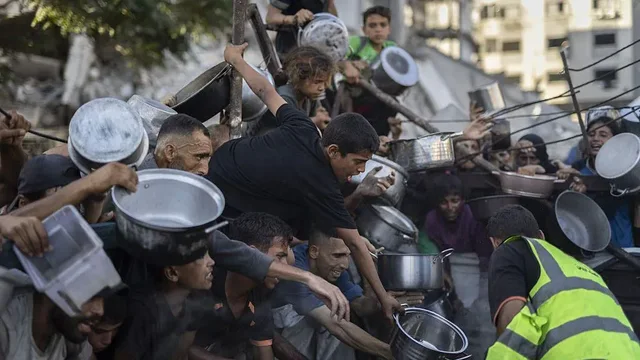
"Babai i tyre rrezikon jetën e tij vetëm për t'u sjellë miell. Kur shkon në Netzarim [korridori ushtarak në veri të Deir al-Balah], më thyhet zemra. Ai shkon atje për të sjellë ushqim ose miell."
"A ka ndonjëri diçka? Nuk ka ushqim. Çfarë tjetër do ta bënte një fëmijë të bërtiste nëse nuk do të donte diçka?"
Izraeli vendosi një bllokadë totale të shpërndarjes së ndihmave në Gaza në fillim të marsit dhe rifilloi ofensivën e tij ushtarake kundër Hamasit dy javë më vonë, duke rrëzuar një armëpushim dy-mujor. Ai tha se donte të ushtronte presion mbi grupin e armatosur palestinez për të liruar pengjet izraelite.
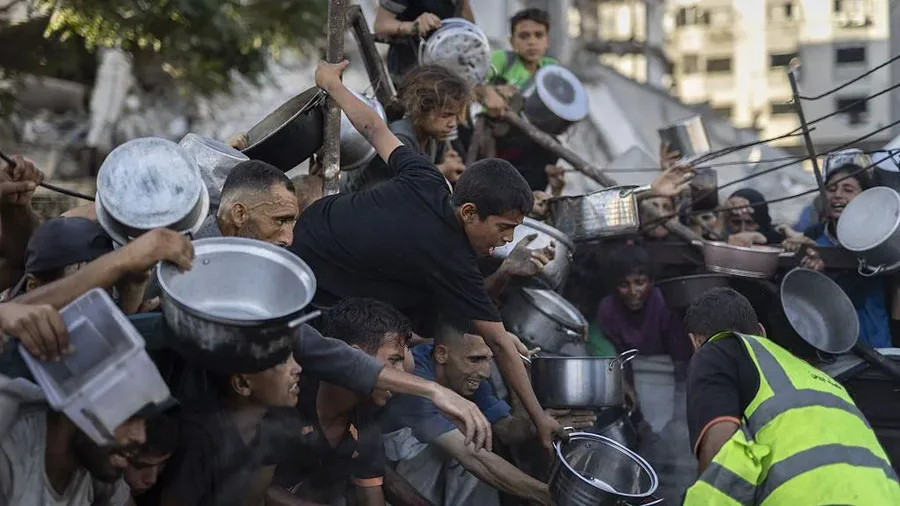
Edhe pse bllokada u lehtësua pjesërisht në fund të majit, mes paralajmërimeve për një zi buke të afërt nga ekspertët globalë, ende ka mungesa të mëdha ushqimi, si dhe ilaçesh dhe karburanti.
Agjencia e OKB-së për refugjatët palestinezë (UNRËA) thotë se ka mijëra fëmijë të kequshqyer në të gjithë territorin, me më shumë raste të zbuluara çdo ditë.
Dr. Abutaha tha se Projekti Hope kishte vënë re gjithashtu një rritje alarmante të rasteve të kequshqyerjes tek të rriturit, të cilën nuk e kishin vërejtur më parë në Gaza.
Përveç lejimit të disa kamionëve me ndihma të OKB-së, Izraeli dhe SHBA-të ndihmuan në ngritjen e një sistemi të ri shpërndarjeje ndihmash të drejtuar nga Fondacioni Humanitar i Gazës (GHF), duke thënë se donin të parandalonin Hamasin nga vjedhja e ndihmave.
But since then, there have been almost daily reports of people killed by Israeli fire while searching for food. The UN human rights office said on Friday that it had so far recorded 798 such killings, including 615 near GHF sites, which are operated by private US security contractors and are located inside military zones in southern and central Gaza. Another 183 killings were recorded near UN and other aid convoys.
The Israeli military acknowledged that there had been incidents in which civilians had been harmed and that it was working to minimize "potential friction between the population and [Israeli] forces as much as possible."
The GHF accused the UN of using "false and misleading" statistics from Gaza's Hamas-run health ministry.
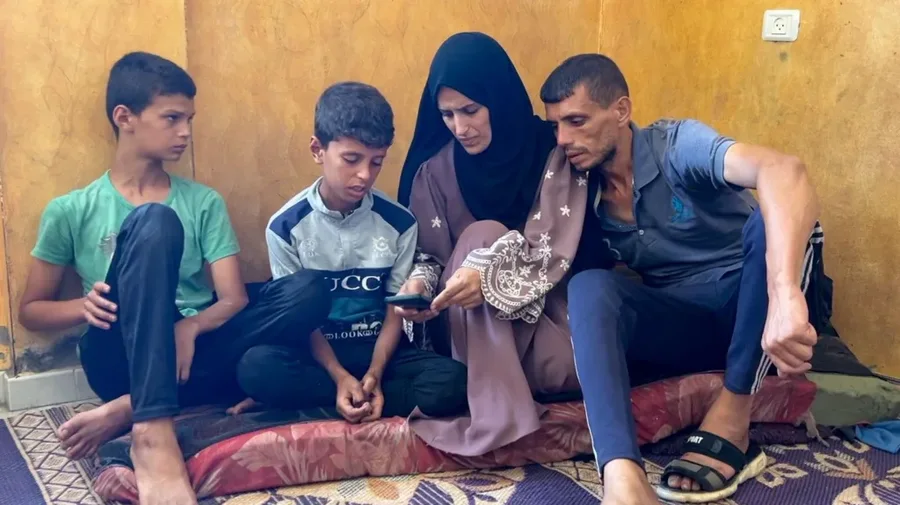
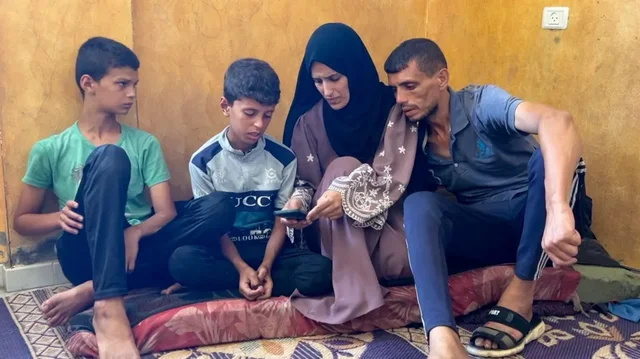
Imani said a ceasefire "wouldn't mean anything to me since my children are dead."
Dr. Abutaha called on Israel to allow the supply of sufficient food, medicine and fuel to meet the basic humanitarian needs of everyone in Gaza, so that "everyone can have a dignified life."
He also expressed concern that people were being given "false hope" that Israel and Hamas might soon agree to a new ceasefire deal.
Israeli Prime Minister Benjamin Netanyahu said on Thursday that an agreement for a 60-day ceasefire and the release of 28 hostages could be just days away.




Lini një Përgjigje