


 Shkruar nga Pamfleti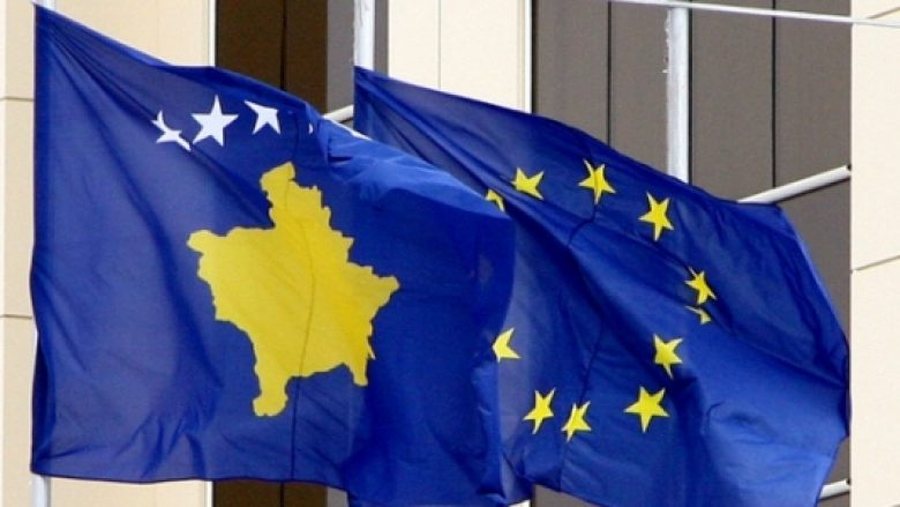
The European Commission says it has unblocked financial assistance and warns of a full return to engagement with Kosovo institutions.
The European Commission has confirmed that the European Union has lifted all financial measures imposed on Kosovo in June 2023.
During the debate on the Kosovo Report in the European Parliament, the representative of the European Commission, Jiri Plecity, stated that the financial assistance that had been held under the measures has now been released. He said that Brussels also aims to resume full engagement with Kosovo's institutions, with the aim of returning the country to the European integration agenda.
In the same discussion, European officials assessed that the year 2025 brought consequences for Kosovo due to the political deadlock. The rapporteur for Kosovo in the European Parliament, Riho Terras, said that political uncertainty has slowed down the reforms that the European Union requires from the applicant countries and that, according to him, are also important for the functioning of the country itself. He emphasized that in some areas there has also been a setback during the past year.
The EU imposed the measures on Kosovo in 2023, following tensions in the country's Serb-majority north. At that time, Albanian mayors of four northern municipalities took office, and the situation was accompanied by clashes between Serbian protesters and security forces, including members of KFOR. The measures included the suspension of some funding and the interruption of bilateral meetings between European officials and representatives of the Kosovo government.
The European Parliament also mentioned the latest development regarding the implementation of the Law on Foreigners. Anne Kempainen from the European External Action Service said that, following EU mediation, a solution has been found in Pristina for the implementation of this law. According to her, the steps taken by Kosovo support the maintenance of the rule of law and enable Kosovo Serbs to continue to live, study and work legally in the country, in accordance with Kosovo legislation.
European representatives presented this agreement as proof that dialogue is producing results. On March 14, the Kosovo Government announced that it would issue temporary residence permits and recognize the identity cards of members of the Serbian community who do not have Kosovo documents, as provided for in the Law on Foreigners and the rules on vehicles, the full implementation of which began on March 15.
These laws had been partially implemented since January 15th through an information phase on procedures and rules. As of March 15th, they have been fully implemented. The law requires undocumented residents of Kosovo to obtain a residence permit, while vehicles with foreign license plates cannot circulate in Kosovo for more than three months, except in cases of authorization.
The government has clarified that the implementation of the decision will not affect Kosovo Serbs for a 12-month period. These easing measures have been welcomed by the European Union, the United States, the United Kingdom and Serbia.



Lini një Përgjigje