


 Shkruar nga Pamfleti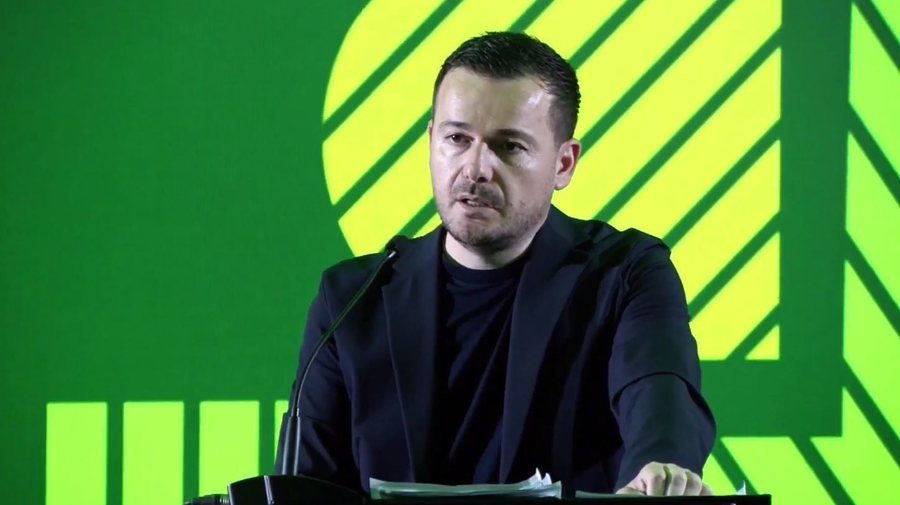
Artificial Intelligence returns to the fashion parade, while support for farmers is minimal...
The Albanian government seems not to be giving up on its passion for characters and projects with symbolic names. After the much-talked-about “Shepherds Academy” and the virtual assistant “Diella”, this time it is the turn of “Yllit”, the newest character created with Artificial Intelligence, which according to the Ministry of Agriculture will serve as the virtual assistant of Albanian farmers.
"Ylli" was introduced this Monday by the Minister of Agriculture, Andis Salla, as a tool that will provide real-time information and guidance to farmers, through the Farmer's Portal. According to the minister, the virtual assistant will help with applications for support schemes, provide information on pesticides, chemical fertilizers, weather conditions, markets and guidance on agricultural activity.
But the introduction of "Yllit" has brought back memories of a series of similar initiatives that have made a splash more for their name and marketing than for their real impact on citizens.
The most famous remains the “Shepherds Academy”, promoted a few years ago by former Minister of Agriculture, Frida Krifca, as a program to train young people in livestock farming. The project quickly became the subject of irony and memes on social networks, becoming one of the most commented episodes of her mandate.
Then came “Diella”, the government’s virtual assistant built with Artificial Intelligence, which was widely used in the campaign for fiscal amnesty and later to promote various state initiatives. Coincidentally or not, today the Constitutional Court is expected to rule on the legality of the migrant agreement with Italy, one of the topics on which “Diella” has been used most in the government’s public communication.
Now the baton passes to "Ylli", with the hope that it will have more success than its virtual predecessors.
However, while the government introduces new avatars and talks about digital transformation, many farmers continue to face much more concrete problems: high production costs, lack of competitive subsidies with the region, difficulties in selling products, labor shortages, and continued emigration from rural areas.
For them, the main question remains whether "Ylli" will manage to provide answers where agricultural policies have failed for years, or whether it will simply be the newest character in the long gallery of projects with sensational names that pass faster on social networks than in the fields of Albanian farmers.




Lini një Përgjigje