


 Shkruar nga Paolo Rossetti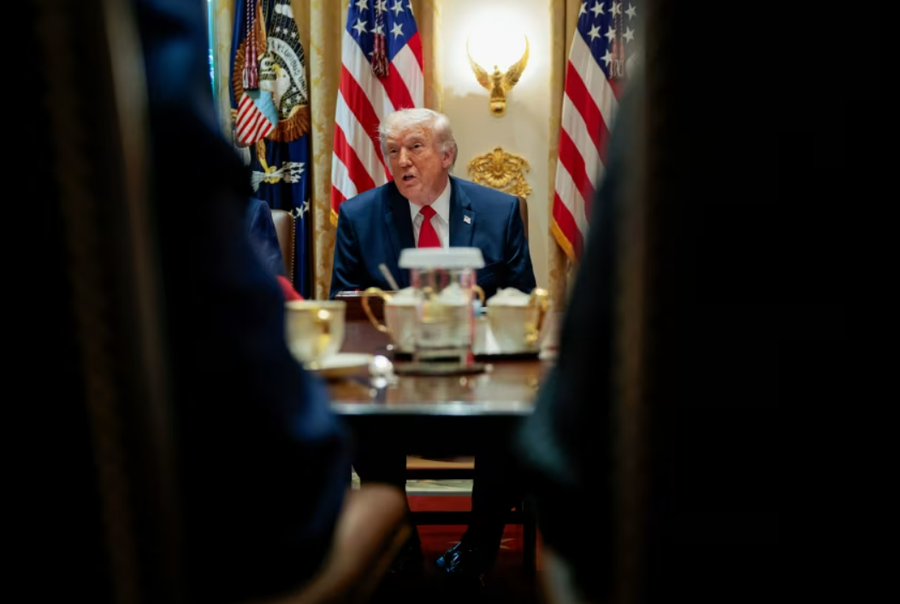
US inflation and energy concerns are putting pressure on the White House's decision-making. Meanwhile, escalation in the Middle East and Israeli actions are complicating negotiations with Iran. The deal remains ready on paper, but blocked by a combination of political and strategic factors...
Iran and the US appear to have reached a deal that paves the way for real negotiations. The Iranians have reportedly already approved it, while Trump wants to reflect for a few more days. But in the meantime, the two countries continue to clash with weapons, in a series of attacks and counterattacks that show that tensions have not subsided at all.
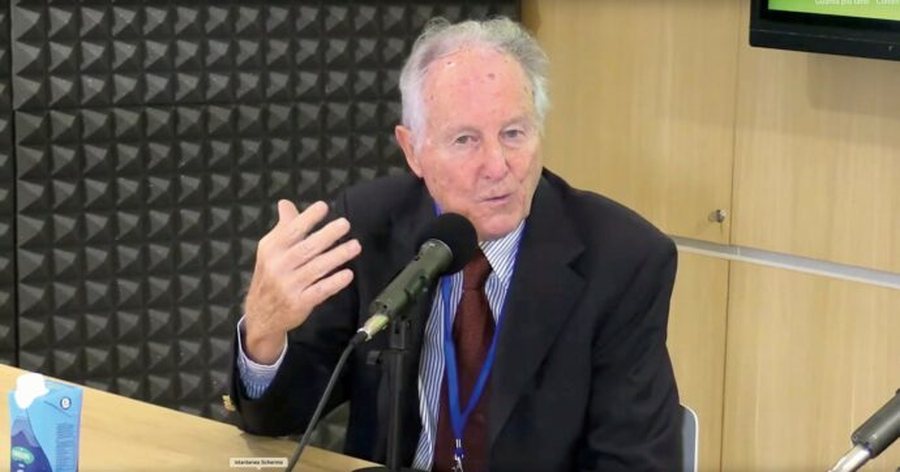
Giuseppe Cassini, a former Italian ambassador to Lebanon and Somalia, says the negotiations are being affected by Trump's distancing himself from diplomats working at the State Department. But beyond that, the talks always remain under Netanyahu's "sword of Damocles": as long as he continues to attack Lebanon, it will be difficult to reach an agreement between Washington and Tehran.
Under these conditions, the only one who can guide Trump towards logical choices seems to be Scott Bessent, the Secretary of the Treasury, who knows how much inflation weighs on the American economy and on American citizens. Even the new FED president, Kevin Warsh, has a priority of reducing inflation. And he will do this by responding more to financial circles than to Trump himself.
According to Axios, Iran and the US have reached an agreement to extend the ceasefire by 60 days and begin negotiations. What does this mean specifically?
The memorandum of understanding being discussed is not an agreement, but the beginning of a mutual understanding, a positive first step, the result of the pressures that Trump has received from many sides.
Because the world economy cannot afford to turn off the energy tap (or the chemical fertilizers), warning of the consequences this situation could have even in the midterm elections. The parties will have 60 days to discuss, for example, the Iranian nuclear program, but this does not mean that they will necessarily reach an agreement.
So can we call it a pre-agreement?
In a way, yes. In reality, it commits both countries to an act of goodwill, to sit down at the table and see if a final agreement can be reached. But I emphasize, it is a commitment to meet and talk, nothing more.
Of course, some principles will be announced, but very general ones. One must look at the American interest in inflation and Netanyahu's desire to eliminate any nuclear threat that could come from Iran. An issue that will be discussed later.
Ushtria amerikane rrëzon dronë iranianë dhe godet qendrën e kontrollit në Bandar Abbas, ndërsa Pasdaranët shënjestrojnë një bazë amerikane dhe katër anije që donin të kalonin Ngushticën e Hormuzit. Edhe Kuvajti deklaron se ka pësuar një sulm: a janë këto sinjale se lufta nuk është harruar?
Në Kuvajt ndodhet një bazë amerikane dhe iranianët kishin deklaruar që vitin e kaluar se do ta godisnin. Sulmi ndaj Bandar Abbas ishte i parashikueshëm. Ai është një pikë delikate dhe strategjike, por edhe i lehtë për t’u goditur.
Bëhet fjalë për një episod serioz, sepse është një vend shumë i rëndësishëm nga pikëpamja detare. Por gjërat do të vazhdojnë kështu për sa kohë Trump do të merret me politikën e jashtme.
Pse nuk duhet të merret?
Kreu i fuqisë më të madhe në botë është i papërgatitur të kuptojë situatën, sepse nuk ka përvojën dhe formimin e nevojshëm për të kuptuar si funksionon loja diplomatike. Departamenti i Shtetit është zhveshur nga mendjet më të afta, të cilat janë larguar sepse Trump nuk ishte i interesuar të kishte diplomatë të vërtetë.
Atij i mjafton Jared Kushner dhe Steve Witkoff. Kur Obama negocioi marrëveshjen bërthamore me Iranin në vitin 2015, kishte përreth një ekip të tërë diplomatësh. E njëjta gjë ndodhte me Nixonin, që kishte Kissingerin. Për më tepër, tre të katërtat e vendeve të botës nuk kanë një ambasador amerikan.
Arsyeja e kësaj nuk kuptohet. Deri tani Trump ka emëruar vetëm një të katërtën e ambasadorëve të rinj.
SHBA-ja nuk pranon perspektivën e një ngushtice të menaxhuar nga Omani dhe Irani. Dhe Trump ka arritur deri aty sa të kërcënojë me bombardime Omanin. Pse ka shkuar deri në këtë pikë ndaj një vendi që ka luajtur gjithmonë rolin e ndërmjetësit në rajon?
Duhet të shmangim marrjen serioze të çdo fjale që del nga Shtëpia e Bardhë. Këto janë deklarata që lindin në moment dhe që Trump i shpërndan përmes rrjetit të tij social Truth. Mediat marrin seriozisht gjithçka që ai thotë, ndërkohë që duhet lënë mënjanë, sepse të nesërmen gjithçka ndryshon.
Prandaj edhe analistët më të mirë e kanë të vështirë të thonë çfarë do të ndodhë nesër. Omani ka qenë gjithmonë mik i madh i Perëndimit, një vend ndërmjetësues me një traditë të madhe detare. Perandoria e tij arrinte deri në Somali.
Ngushtica e Hormuzit është po aq e rëndësishme sa Gjibraltari apo Bosfori, por ndërsa aty nuk paguhet, tani për këtë zonë po flitet për tarifa kalimi, një zgjidhje që bie ndesh me të drejtën ndërkombëtare.
Përveç Omanit, si po ndryshojnë marrëdhëniet e SHBA me shtetet e tjera të Gjirit?
Duhet bërë dallim mes vendeve të ndryshme, për shembull mes Emirateve të Bashkuara Arabe dhe Arabisë Saudite. Në Dubai ka pothuajse aq shumë iranianë sa në Teheran.
Meqë për shkak të sanksioneve nuk mund të përdorin sistemin Swift për transaksionet ndërkombëtare, ata zhvendosen në qytetet e Emirateve për të kryer operacionet financiare.
Por edhe Emiratet janë goditur. Vendet e Këshillit të Bashkëpunimit të Gjirit kanë kuptuar në kurriz të tyre se me Iranin nuk mund të bëhet shaka.
For decades, the Gulf Cooperation Council, which includes countries in the region, has functioned poorly and failed to find a way for Sunnis and Shiites to coexist. In addition to Iran, Shiites make up 90 percent of Bahrain's population, although the president is Sunni. There are also Shiite communities in the Emirates.
Have the countries of the region distanced themselves from the US?
No. But of course everyone feels the fact that the US is no longer a reliable ally, as long as there is a president who does and undoes things at will. That is why every country in the world finds it difficult to manage relations with the US.
Everyone is waiting for the end of the Trump era to rebuild diplomatic and financial relations in a new way, with figures with whom a normal relationship can be built. Meanwhile, one of the biggest wounds of this period has appeared: the energy crisis, which has brought not only an increase in the price of oil, but also a shock to the chemical fertilizer market. Their lack for some countries means famine.
Trump has asked Netanyahu to show restraint in Lebanon, but he continues the bombing. To what extent will he hinder Trump in negotiations with Iran?
Netanyahu faces an election in a few months, and everything could change there, so it's impossible to know what will happen before the vote. In the meantime, he will continue to order attacks on Lebanon, including in Beirut, in the southern part where Hezbollah is based.
It will do this with targeted operations, not Gaza-style, and Trump can
accept it precisely for this reason. On the other hand, destroying Beirut would make no sense. Netanyahu will do what he wants, also because there is a relationship of psychological dependence between him, who is the brain, and Trump, who obeys him.
Will he be the one to sink the deal?
It can. On the other hand, the Abraham Accords have already failed. Riyadh has clearly stated that it will never sign them as long as there is no talk of a Palestinian state.
Do the negotiations have a realistic chance of ending successfully? Is there anyone in the administration who can steer the American president on the right path?
It is impossible to predict, but it is certainly not well understood what the American line is. Trump has stated that he does not care about the midterm elections, but rising inflation does care about Americans and will indirectly affect him as well.
The only one who can bring him back to his senses a little is Treasury Secretary Scott Bessent, who represents the interests of the American people regarding inflation. Even the new FED president, although chosen by Trump, will not obey him, but the powerful financial circles, and his main objective will be to avoid inflation. / Pamphlet from “Il Sussidiario”


Lini një Përgjigje