


 Shkruar nga Pamfleti
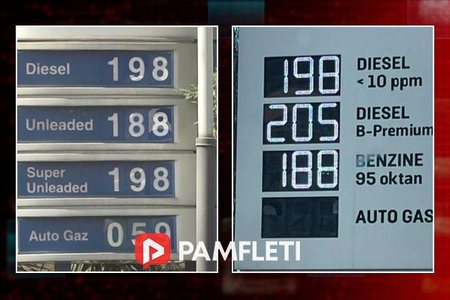
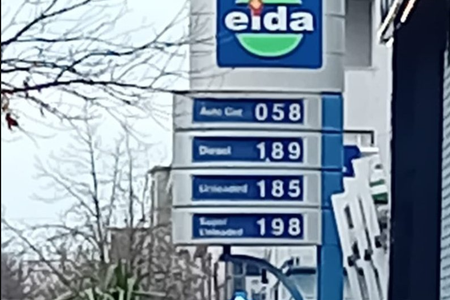
The amount of fuel cleared has increased significantly from year to year. The fiscal burden for a liter of diesel sold is considerable, with the largest part of it being excise duty, which amounts to 40 lek per liter.
But how much does the state budget earn from excise duty on oil? According to official data from the Ministry of Finance, during 2025, 740,863 tons of fuel were imported and consumed. If we were to do the math, if we were to multiply 740,863,000 liters imported by 40 lek excise duty per liter, the value that the state collected during 2025 amounts to about 29.6 billion lek or 296 million euros.
The excise tax on oil in Albania was fixed at 37 lek per liter before the law was passed to index it to inflation. In three years, it has increased by 3 lek. An increase in inflation in Albania would also lead to an increase in the excise tax on oil.
If we were to make a comparison over the years, profits from this item have increased significantly due to the increase in the amount of fuel that has been imported.
In 2023, 614.5 thousand tons of fuel were imported, in 2024 the amount increased to 657.5 thousand tons, to reach 740.8 thousand tons during the year we left behind. This increase has come mainly due to the influx of tourism over the last three years in Albania.
In addition to excise duty, a circulation tax of 27 lek/liter is also applied to diesel, as well as VAT and a carbon tax of 3 lek per liter.
The price of oil has a significant impact on the prices of food and non-food products, as it is one of the main costs for companies operating in various sectors, such as manufacturing, agriculture, export, and tourism.
The increase in oil prices is expected to be followed by an increase in prices throughout the supply chain. Experts have suggested that reducing the excise tax on oil or eliminating it would significantly help the Albanian economy by making it more competitive and reducing costs for Albanian citizens./ SCAN



Lini një Përgjigje