


 Shkruar nga Pamfleti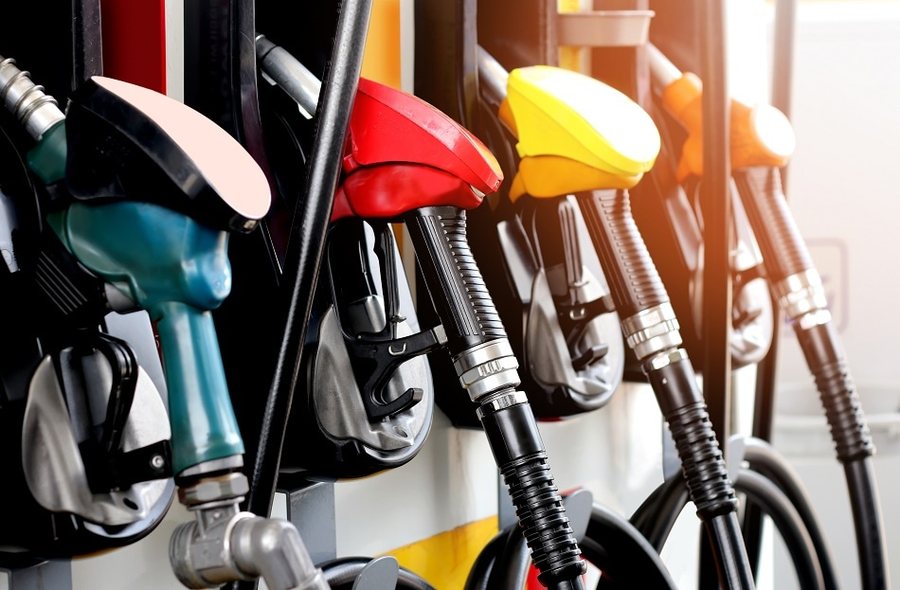
Confindustria warns that a possible worsening of the conflict in the Persian Gulf could translate into direct hits to the Albanian economy, through the increase in fuel prices. The organization urges the government to intervene immediately with a complete review of fiscal and regulatory policy in this market, considering the situation as one with high macroeconomic risk.
According to the estimates presented, a 30 percent increase in fuel prices would produce at least 6 percent additional inflation in the economy. At the same time, Gross Domestic Product is expected to contract in the range of 2.8 to 3 percent. This combination of high inflation and economic decline creates conditions for a possible transition to recession during 2026 and beyond.
In its analysis, Konfindustria emphasizes that the impact of fuel is not limited to this market, but is transmitted throughout the economy through increased transportation, production and distribution costs. As a result, inflationary pressure spreads to other consumer prices, reducing purchasing power and slowing economic activity.
In this context, the organization calls for a reduction in the fiscal burden on fuel and annual vehicle taxes, in order to bring them closer to the average of the countries in the region. According to it, Albania remains the only country in the region that has not taken concrete measures to alleviate the fuel crisis. The current proposal for a 20 percent reduction in excise duty only if the price of oil reaches 220 lek per liter is assessed as insufficient and with a delayed effect.
Konfindustria argues that the widening fuel price differential with competing countries in the region directly harms the competitiveness of the Albanian economy. The increase in operating costs for businesses increases the risk of bankruptcies in the industry and weakens domestic production. At the same time, consumers face a multiple inflationary shock.
On an institutional level, the organization calls for the transformation of the Transparency Board into a Fuel Regulatory Entity, with permanent status and professional capacities to monitor the market and limit speculative behavior. According to it, the current market structure presents concentration features, which increases the need for stronger supervision.
Confindustria also supports the creation of a state-owned operator in the fuel market, both in the wholesale and retail segments. The organization argues that the intervention is justified by the strategic importance of the sector, which generates an annual turnover of around 2 billion dollars and represents approximately 10 percent of the Gross Domestic Product.
Confindustria considers fuel policy a key instrument for macroeconomic stability, emphasizing that delayed or partial interventions increase the risk of accelerating inflation and economic slowdown in the medium term.







Lini një Përgjigje