


 Shkruar nga Pamfleti
The government's initiative to eliminate obligations and selective tax agreements is at the center of criticism; businesses demand transparency and equal treatment...
The “Fiscal Peace” initiative, part of the government’s fiscal package for 2026, is increasingly facing opposition from international partners and interest groups. Following direct warnings from the International Monetary Fund that debt cancellation and individualized agreements could damage fiscal morale, today the American Chamber of Commerce has also come out in public with criticism.
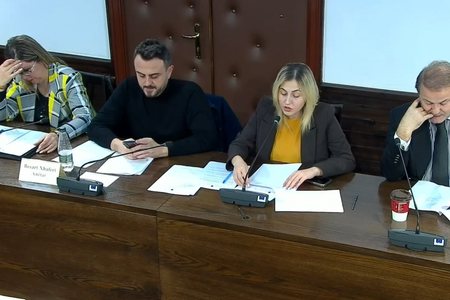
At a roundtable discussion held today with the participation of businesses, Alketa Uruçi from the American Chamber noted that the tax agreements envisaged within the framework of the “Fiscal Peace” are creating a climate of uncertainty and a perception of unequal treatment among businesses. “ There are many complaints from our members about the way tax agreements are functioning. Entities that operate correctly are being penalized, while others benefit from dubious agreements. This is not a climate that encourages investment ,” she said.
The Chamber also raised concerns about the lack of transparency in the Tax platform, abusive practices with VAT and meaningless penalties against energy operators. According to it, the tax administration often uses artifices to not refund VAT on investments, while the selective approach towards entities is creating an unequal market.
" The tax administration's practices with VAT are very wrong. I am mentioning two cases, the VAT refund for cases of investments in tourism or industry, where the tax administration finds artifices to not credit VAT for businesses that are making an investment. This is a heavy burden on investments ," said Uruçi.
“Fiscal Peace”, as envisaged in the 2026 draft budget, includes the cancellation of old liabilities, the reassessment of declarations with preferential tax rates and voluntary agreements with the Tax Authorities. But international partners have stressed that this could translate into a hidden fiscal amnesty for clients close to the government, seriously damaging fair competition and investor confidence.
The IMF has made it clear that the Albanian government should focus on strengthening tax administration, law enforcement, and punishing informality, not on collective amnesties or shady deals.







Lini një Përgjigje