


 Shkruar nga Pamfleti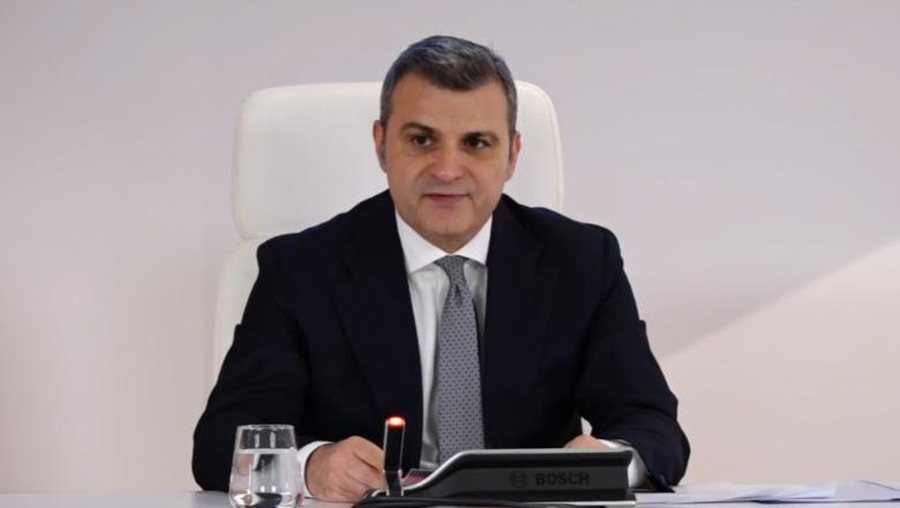
The Supervisory Council of the Bank of Albania decided to reduce the base interest rate from 2.75% to 2.5%, as well as the corresponding reduction in the overnight loan and deposit rates. The Supervisory Council's decision was made public at a press conference by the Governor of the Bank of Albania, Gent Sejko.
He said that the Supervisory Council of the Bank of Albania decided to reduce the base interest rate from 2.75% to 2.50%; to reduce the overnight loan interest rate from 3.75% to 3.50%, and to reduce the overnight deposit interest rate from 1.75% to 1.50%.
The Supervisory Council believes that this decision creates more appropriate monetary conditions for the sustainable and timely return of inflation to target.
Sejko further emphasized that this reconfirms our commitment to returning inflation to target in the shortest possible time, as well as creating more accommodative monetary conditions for increased lending and exchange rate stability.
"This move is in line with our previous communications to pursue a flexible monetary policy, based on new data, and is consistent with the accommodative monetary policy stance pursued by the European Central Bank," the Governor emphasized.
According to him, the Albanian economy has continued to grow steadily, with an expansion of 3.4% in the first quarter, increased consumption and investment, as well as an improvement in the labor market.
Inflation remained at low levels, averaging 2.3% in April-May, influenced by stable commodity prices and weak import pressures.
The Governor emphasized that risks from the external environment, including geopolitical tensions and the weakening of the global economy, require a flexible and prudent monetary policy.
"According to Instat data, the volume of economic activity increased by 3.4% in the first quarter of the year. This growth was broad-based and was supported by the expansion of consumption, investment and foreign demand. This demand profile stimulated the growth of economic activity in the construction and services sectors, while the industrial and agricultural sectors continued to show contractionary trends.
Economic growth was accompanied by further improvements in the labor market and household incomes. Non-agricultural employment continued to grow, the unemployment rate fell to 8.7%, while wage growth accelerated to 9.6% in the first quarter of the year.
"The performance of the labor market suggests that economic growth is being accompanied by an increase in the income of Albanian families, but it continues to remain a risk factor for increasing production costs and inflation in the future," said Sejko.
The Bank of Albania expects inflation to return to the 3% target in early 2026, driven by domestic growth and financial stability.
Sejko emphasized that the interest rate cut is in line with the Bank's strategy to maintain price stability and further stimulate lending, without compromising financial stability.




Lini një Përgjigje